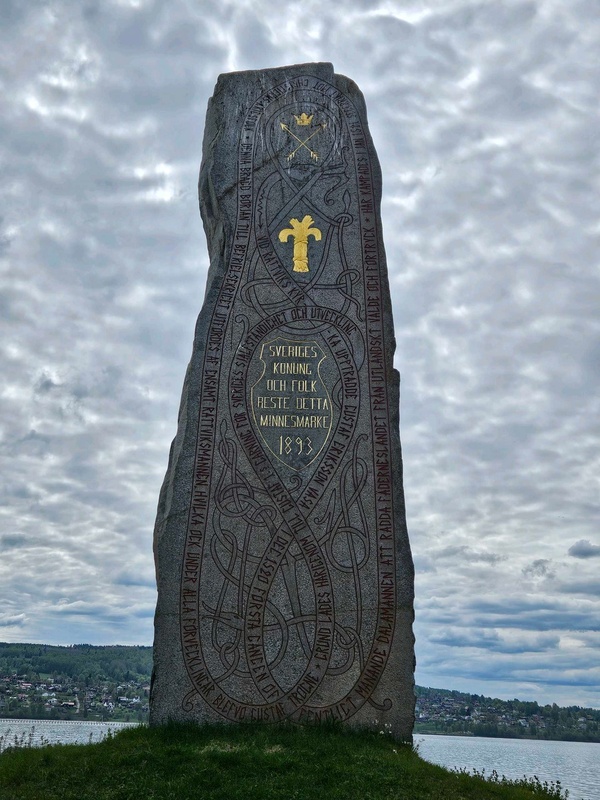
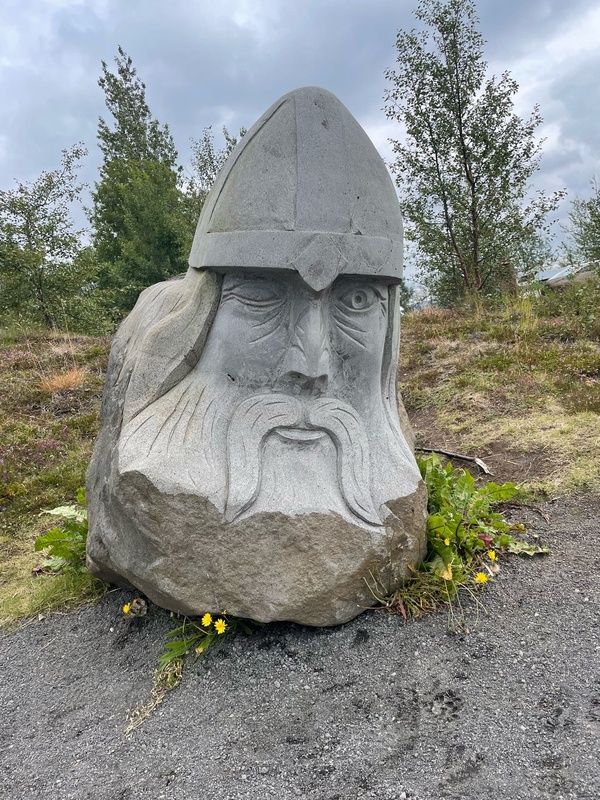
Modern runestone raised in 1893, and erected in memory of Gustav Vasa, who on this spot close to Rättvik church first urged the local lords to fight against the Danes in 1520. Roman text reads (in translation) THE KING AND PEOPLE OF SWEDEN ERECTED THIS MEMORIAL IN 1893.
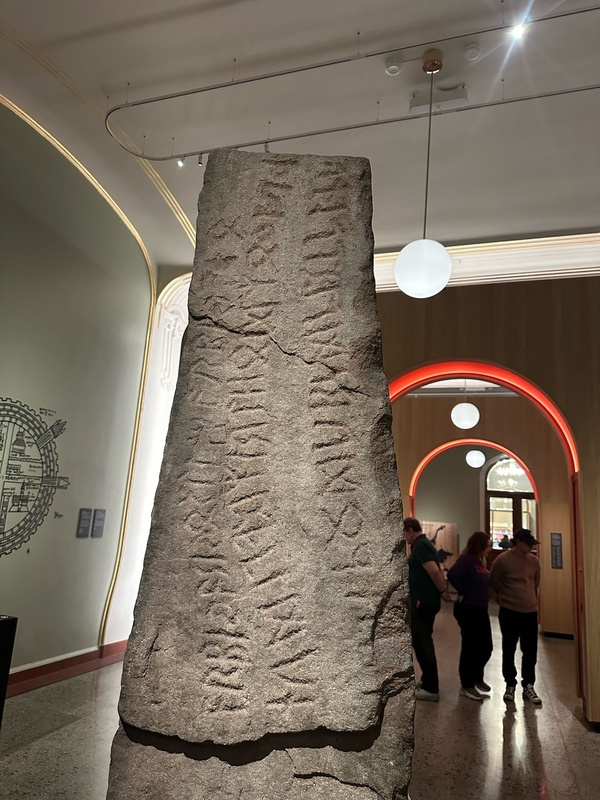
The Tune stone is an ancient monument from 200–450 CE that features one of the oldest Norwegian runic inscriptions written in the Elder Futhark. On display at Vikingr Oslo. Predates the Viking time period.
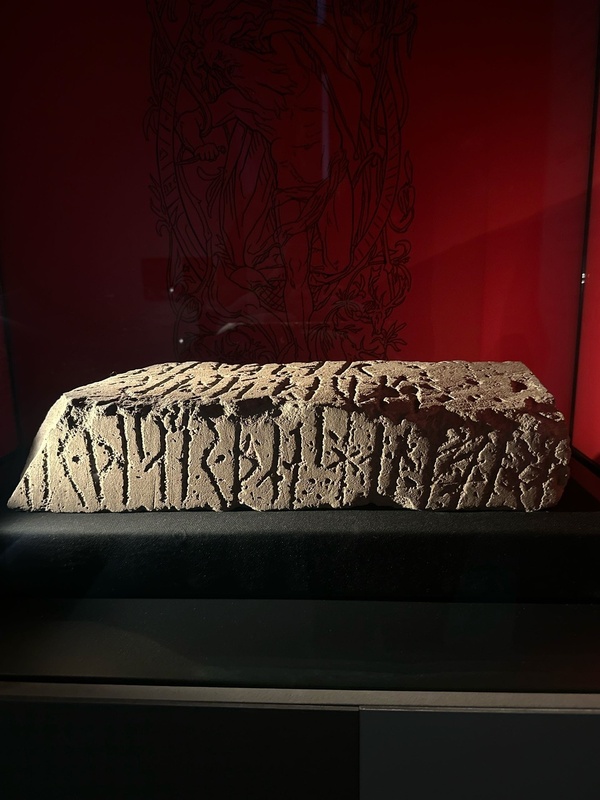
Klekkenstone, an 11th-century travel-runestone fragment on display at the Historisk museum in Oslo, Norway. Written in runic script, the surviving fragments of the inscription translate to:"...-in's son Skúli's son." / "... (carved) these (run)es when he travelled to ..."
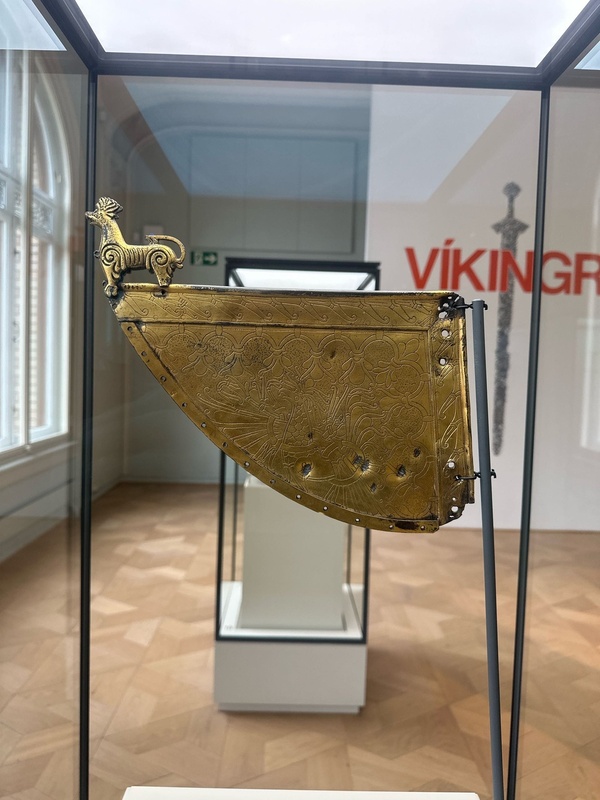
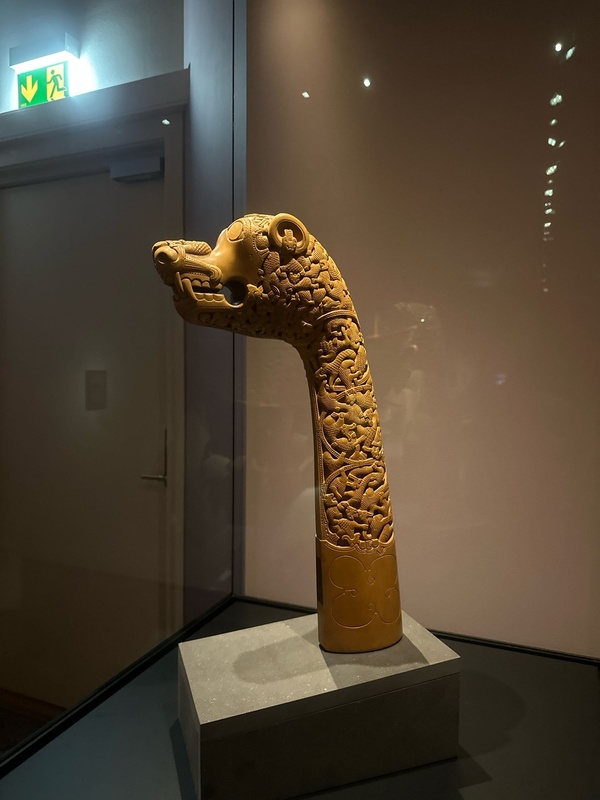
Carved wooden animal head post; one of the artifacts recovered from the 9th-century Oseberg ship burial in Norway. Discovered in the Oseberg mound near Tønsberg, Norway, dating back to around 834 CE.
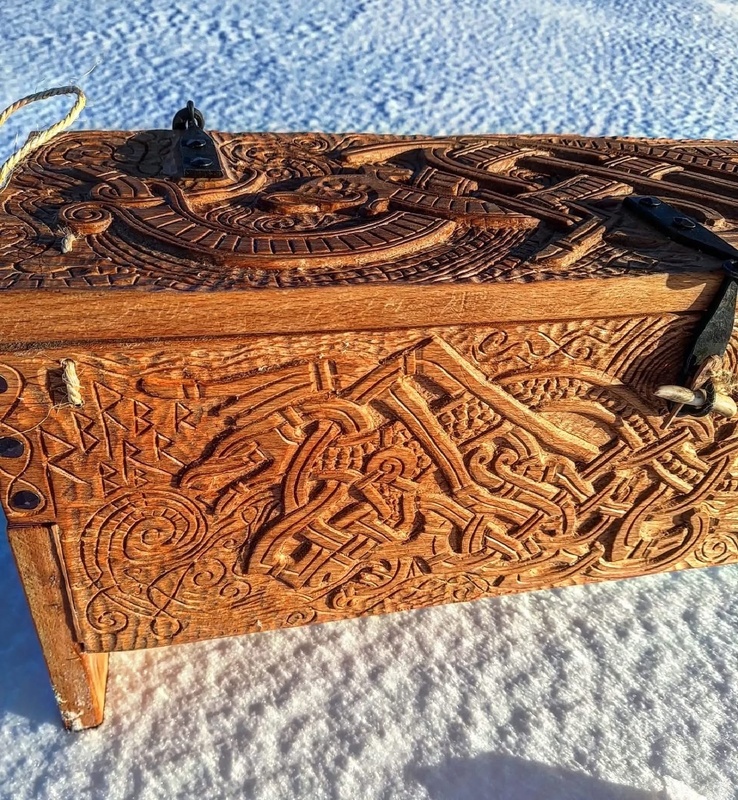
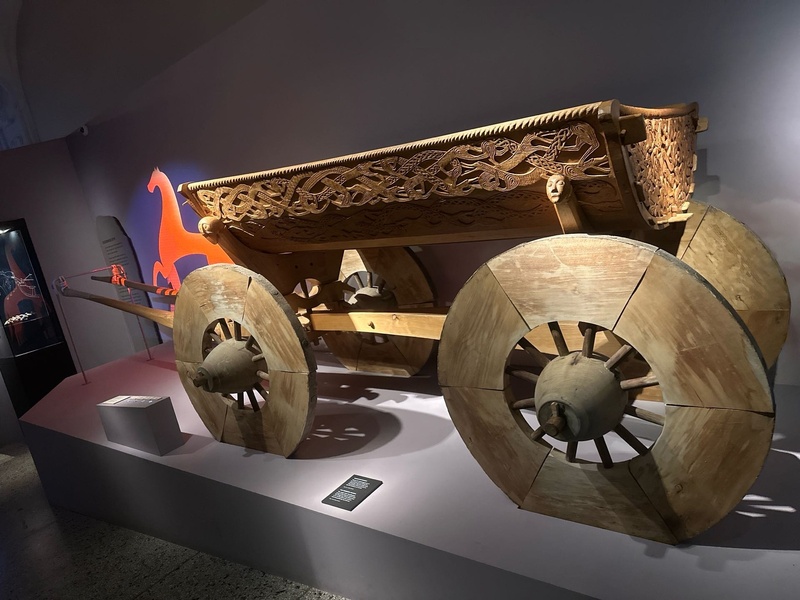
Oseberg Wagon, an ornately carved wooden wagon from the early 9th century found in the famous Oseberg ship burial in Norway. Unearthed in 1904 from a burial mound near Tønsberg, Norway.
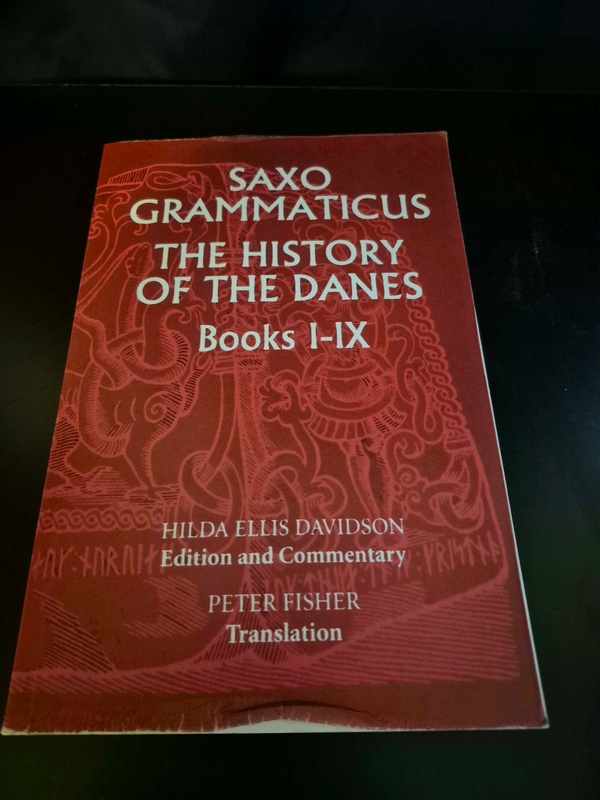
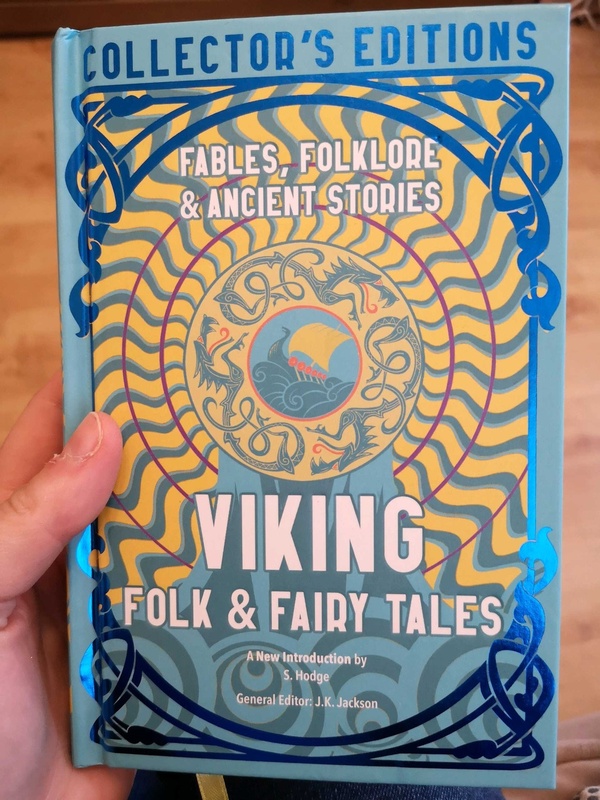
The History of the Danes, Books I–IX by the 12th-century chronicler Saxo Grammaticus. This is a translation by Peter Fisher features an edition and commentary by the specialist in Scandinavian mythology, Hilda Ellis Davidson. The first nine books, contained in this edition, cover the country's legendary "pre-history" and Norse mythology before the official arrival of Christianity.
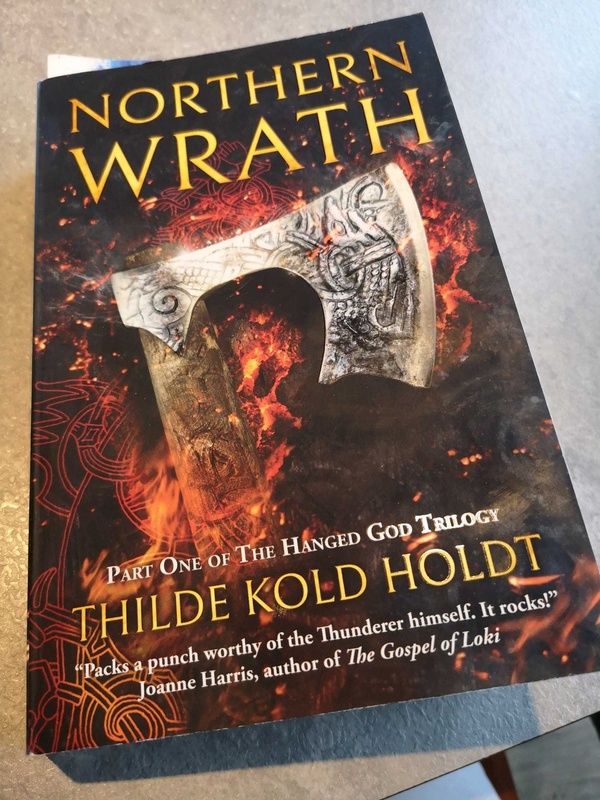
Northern Wrath by Thilde Kold Holdt, which is part one of The Hanged God Trilogy. A book in the sub genre of norse fantasy set in the historical past but where giants, dwarves and gods exist.
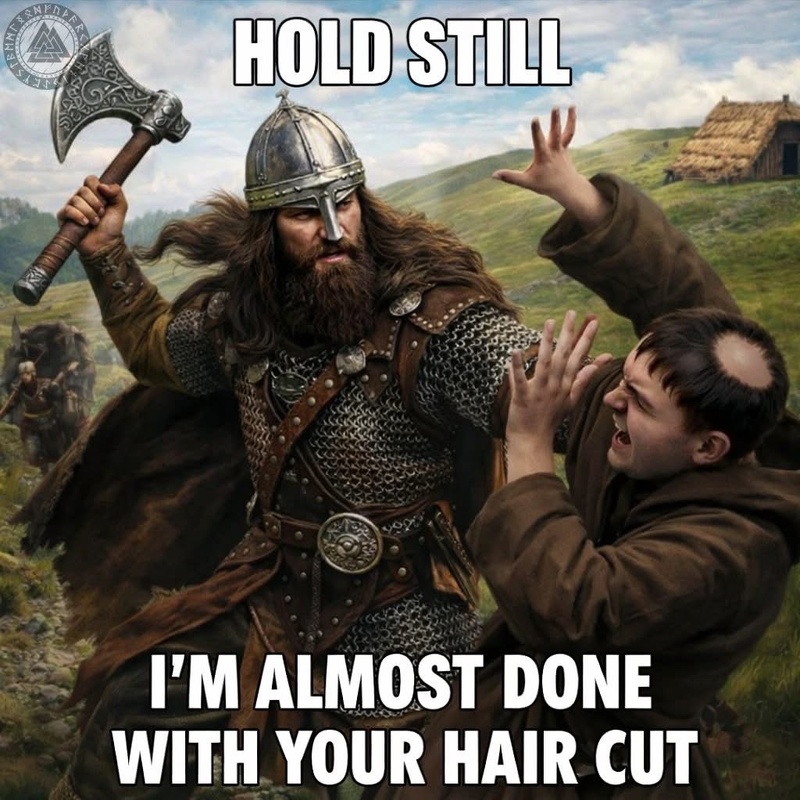
Meme about Vikings "doing" haircuts on monks. Text says "Hold still, I'm almost done with your haircut". This may be a reference to the raids Vikings did across Europe and at times on monasteries. Image appears to be AI generated
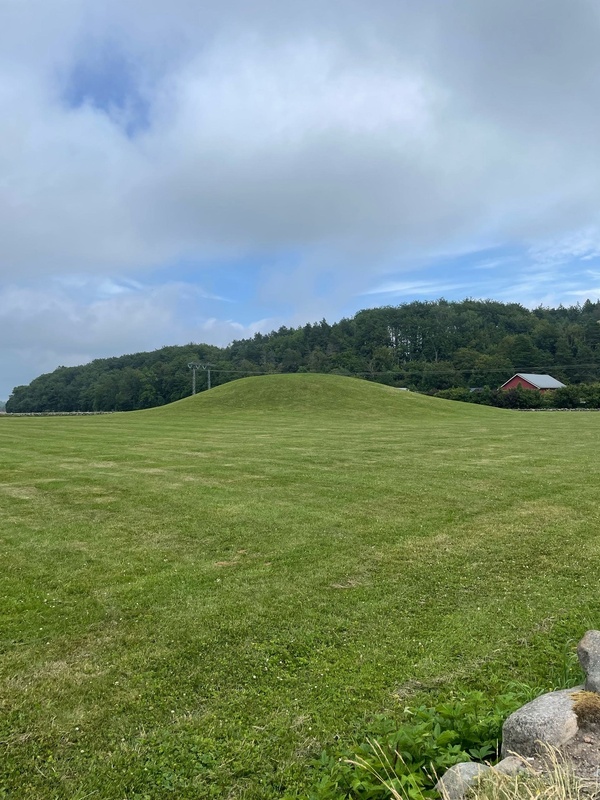
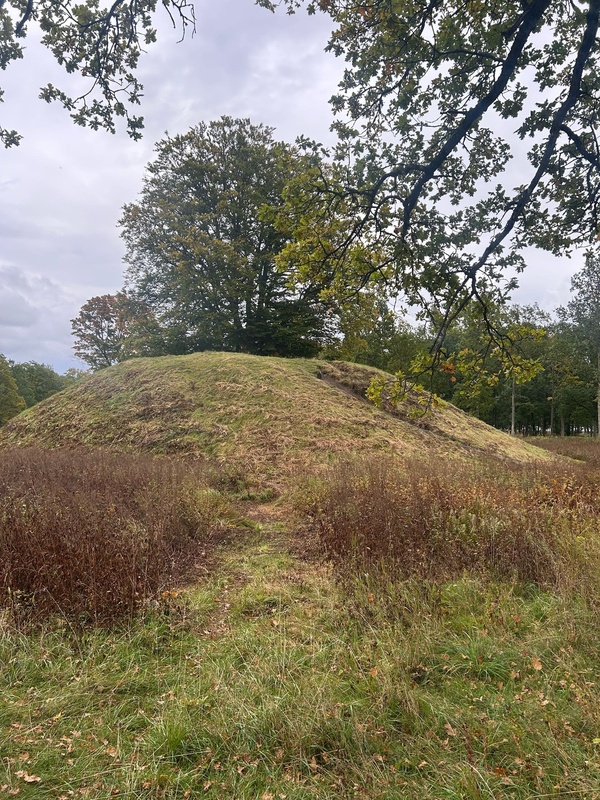
One of the burial mounds at Borre, Vestfold (Norway). Borre was a royal centre in the Viking Age, and there are 7 large and 21 burial mounds at the site.
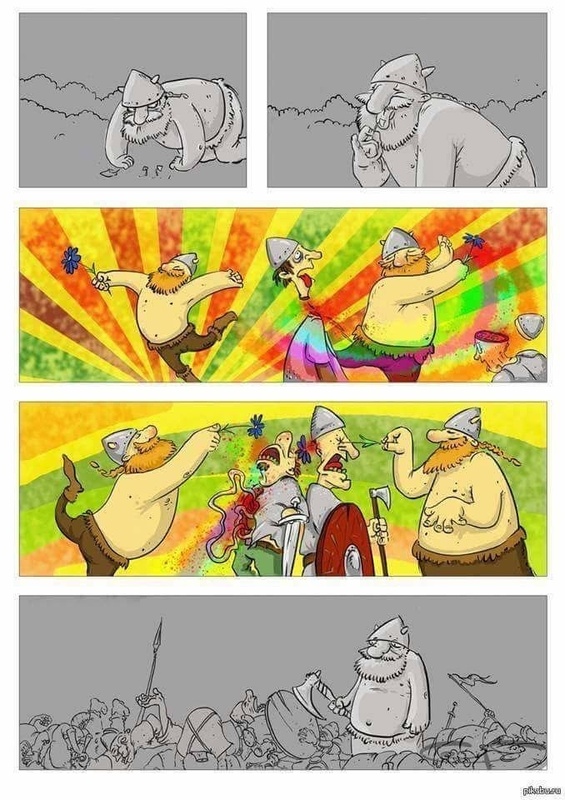
This comic illustrates a popular theory about Viking berserkers—warriors who entered a trance-like fury in battle, historically speculated to be induced by hallucinogenic mushrooms.
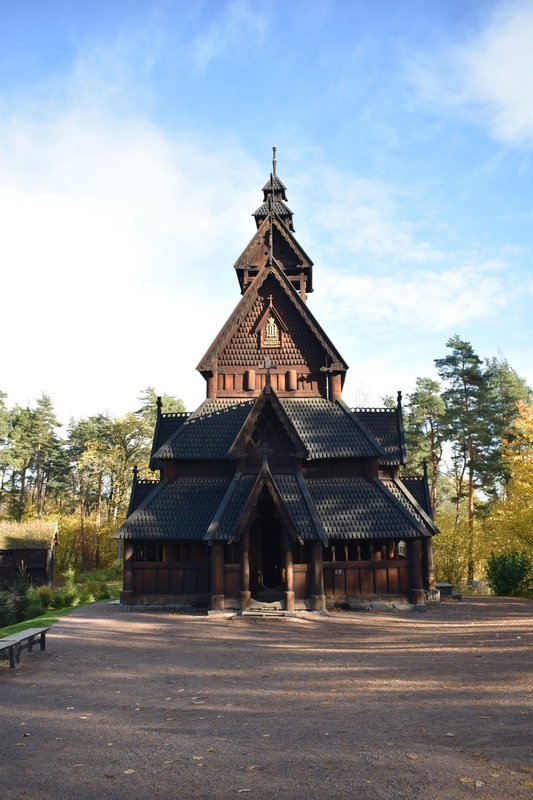
Photo of Gol Stave Church - front view. Eleventh-century stave church, originally located in Gol; dismantled and moved to the Norwegian Museum of Cultural History in Oslo. Exterior is largely nineteenth-century reconstruction, but interior preserves original.
Annagassan is a small irish Fishing village which you drive through in a blink but in Viking time Ireland, it was an important settlement and trading port, which established Viking presence in Ireland before Dublin became the main Viking hub.
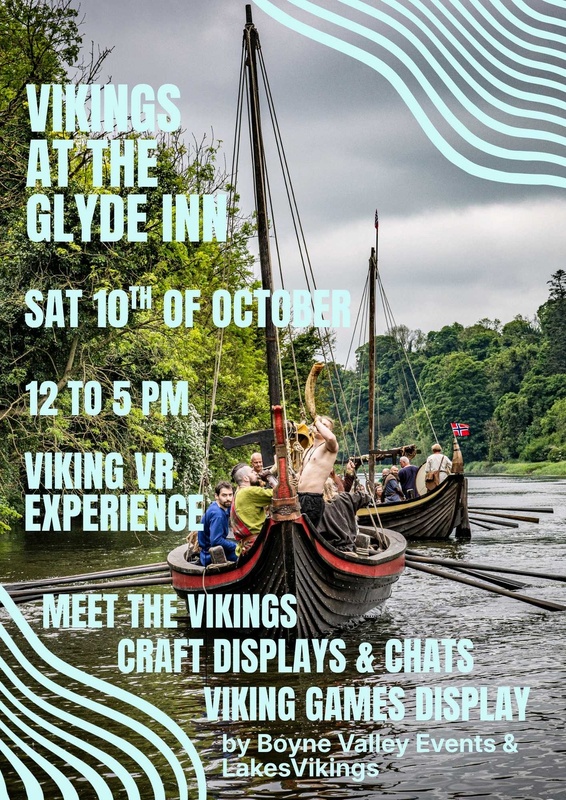
The Glyde Inn in Annagassan is trying to keep the history alive. In his pub restaurant you can dine at a Viking longboat table and enjoy a VR show telling you all about Viking age Annagassin.
On the 10th of October LakesVikings reenactment group supported him in a Viking themed open day.
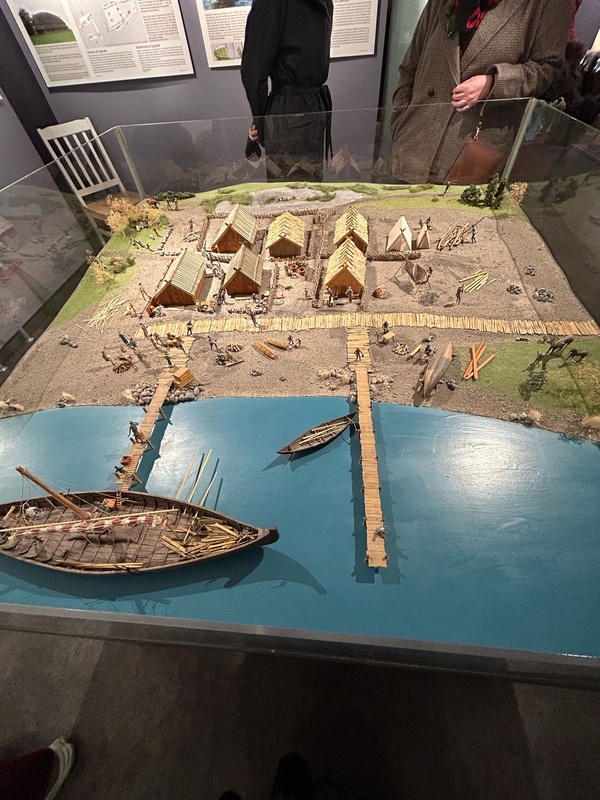
Model of Kaupangr in the Kaupang museum / Kaupang Viking town, Larvik, Norway. Kaupang was an important trading centre in the Viking Age, and is sometimes called Norway's first town.
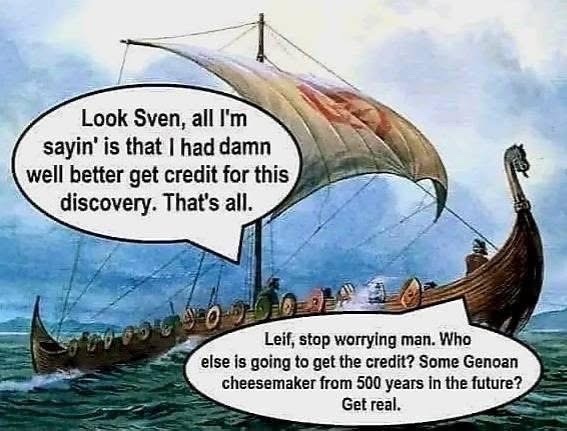
This meme jokes about Leif Erikson and Christopher Columbus, highlighting how history often credits Columbus for discovering the Americas even though the Norse explorer arrived centuries earlier.
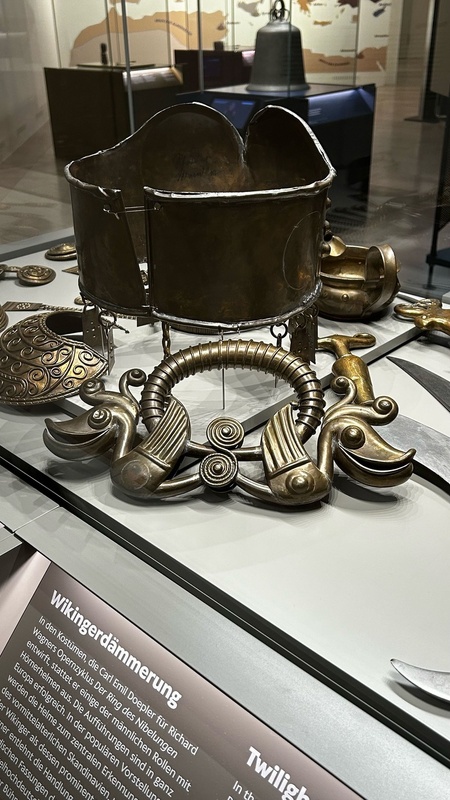
Original stage props from Twilight of the Gods ( Der Ring des Nibelungen) by Richard Wagner - part of the special exhibition Twilight of the Vikings at Schloss Gottorf, Schleswig, Germany. This opera holds a unique position in history it is one of the most influential event in creating the modern myth of how Vikings are visualized such as having horns on helmets.
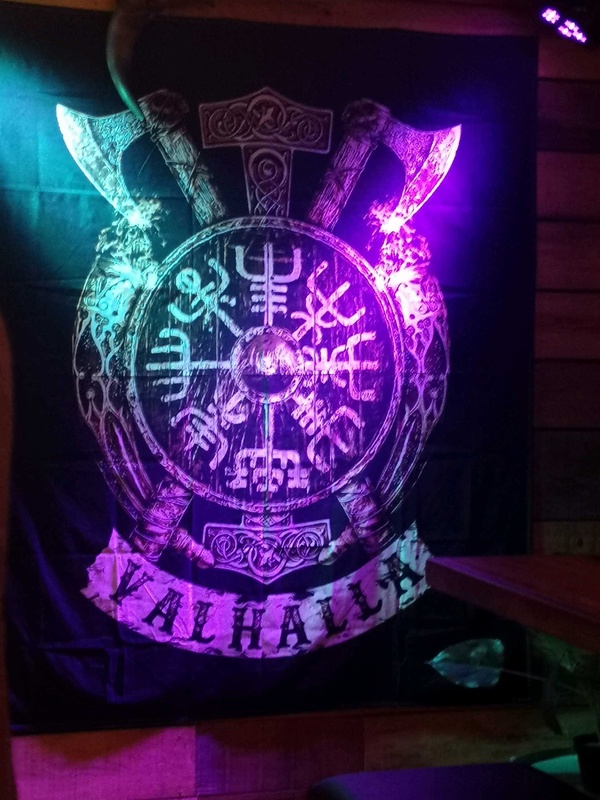
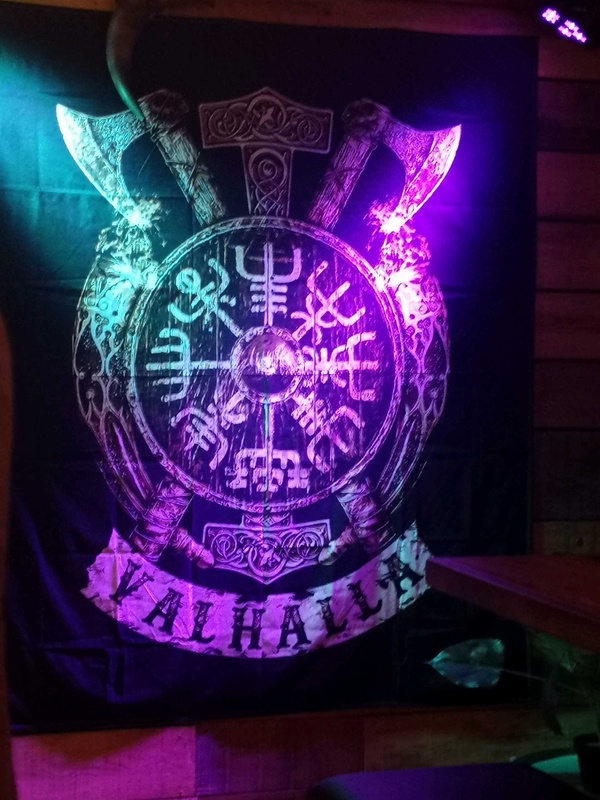
Banner hanging in Valhalla Bar in Stavanger. The artwork features the vegvísir, a symbol often associated with the Viking Age but whose first attestation dates to 1860, as well as drinking horns, Mjölnir, and two axes. The bar's name, Valhalla, is written in a font most commonly associated with the Wild West in movies and TV-series, as well as biker content.
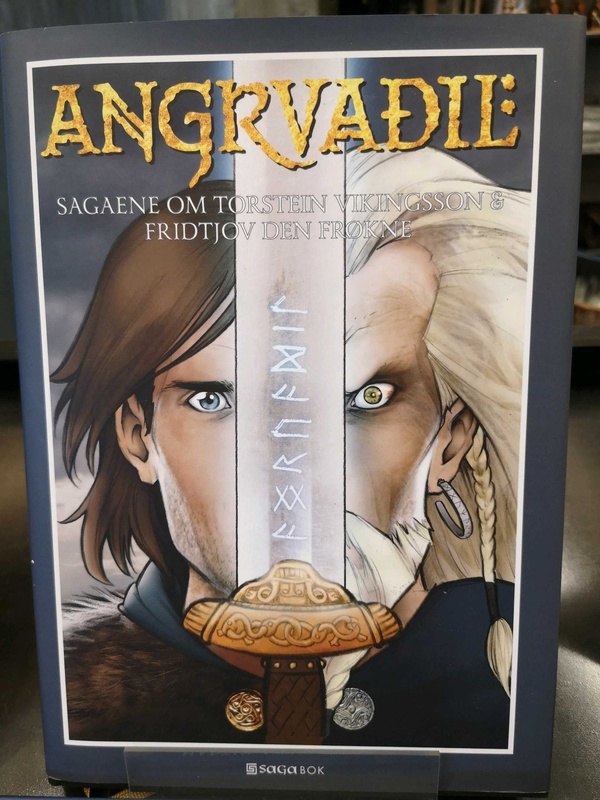
"Angrvadil: Sagaene om Torstein Vikingsson og Fridtjov den frøkne" (Angrvadil: The Saga of Thorstein Viking's son and Frithiof's Saga). Illustrated version of these two sagas, published in 2012 by Saga bok. Art by Erik Evensen, translation to Norwegian by Edvard Eikill.
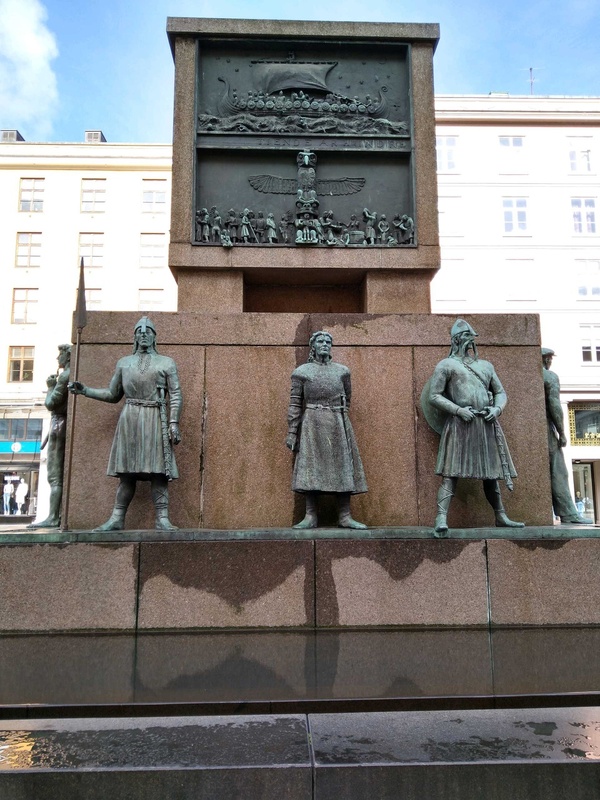
Sjømannsmonumentet (The Seafarer's monument) on Torgalmenningen in Bergen, made in 1939-1945 by Dyre Vaa and unveiled in 1950. The four sides of this monument depict Norway's seafaring history from Viking Age to present-day. The side dedicated to the 10th century depicts the discovery of Vinland, with a meeting between Norsemen and Native Americans, where a Viking ship features prominently. Underneath stand three men, respectively representing a warrior, a skald, and a berserker.
Banner hanging in Valhalla Bar in Stavanger. The artwork features the vegvísir, a symbol often associated with the Viking Age but whose first attestation dates to 1860, as well as drinking horns, Mjölnir, and two axes. The bar's name, Valhalla, is written in a font most commonly associated with the Wild West in movies and TV-series, as well as biker content.
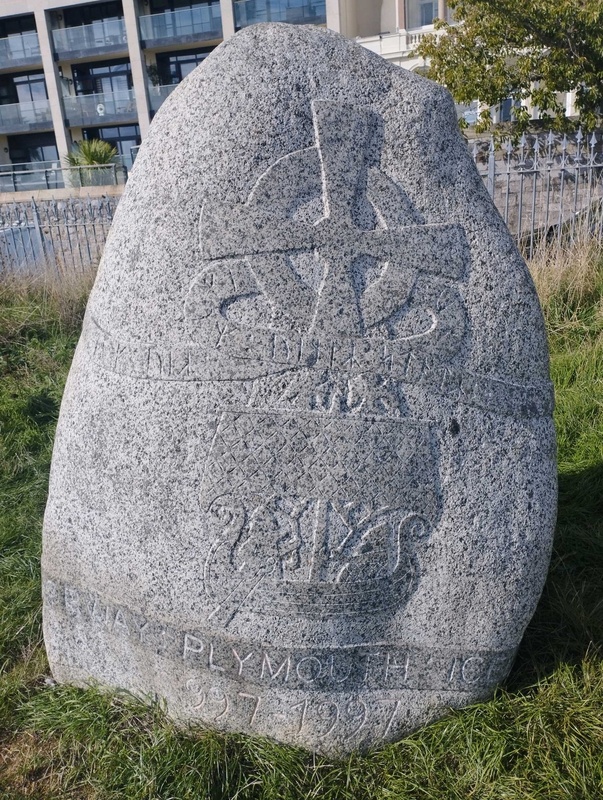
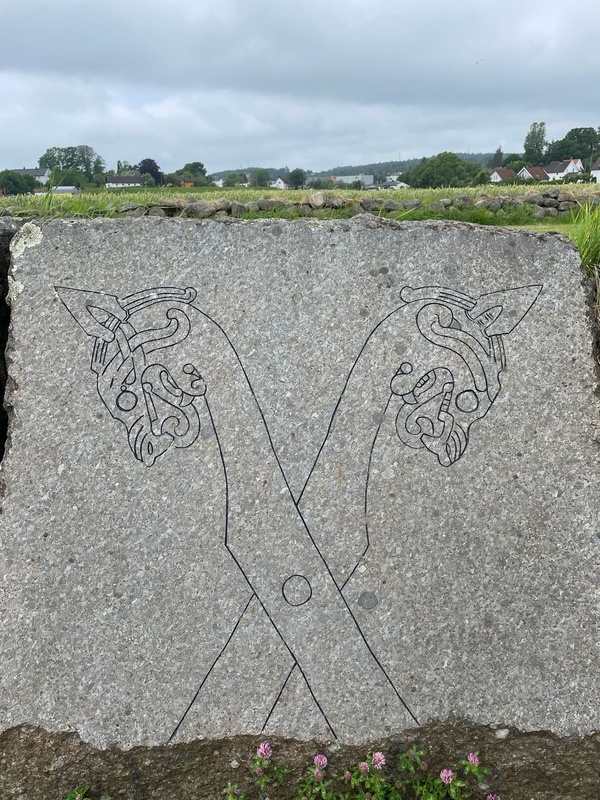
A commemorative carved stone placed in the public park on Plymouth Hoe. Presented as a gift and symbol of friendship from 5 Scandinavian countries in 1997. It marks 1000 years since the final recorded viking raid up the River Tamar in Devon.
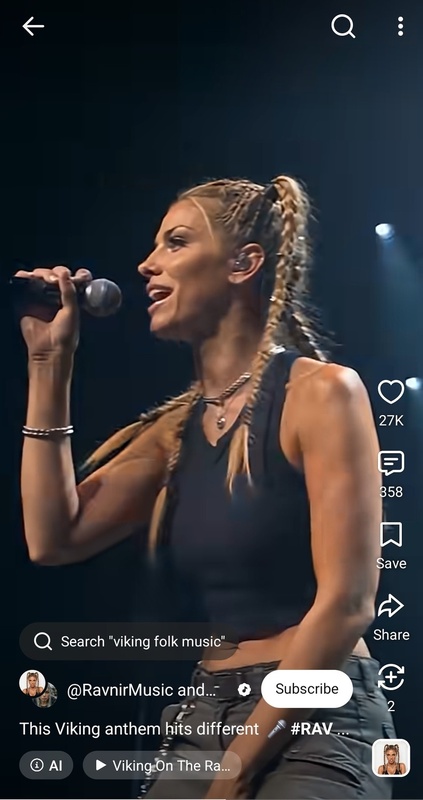
RAVNIR is a Swiss-based Nordic cinematic music project that uses artificial intelligence for its sounds, vocals, visuals, and characters. This image is from a YouTube short "Viking on the Radio". Text says "This Viking anthem hits differently ".
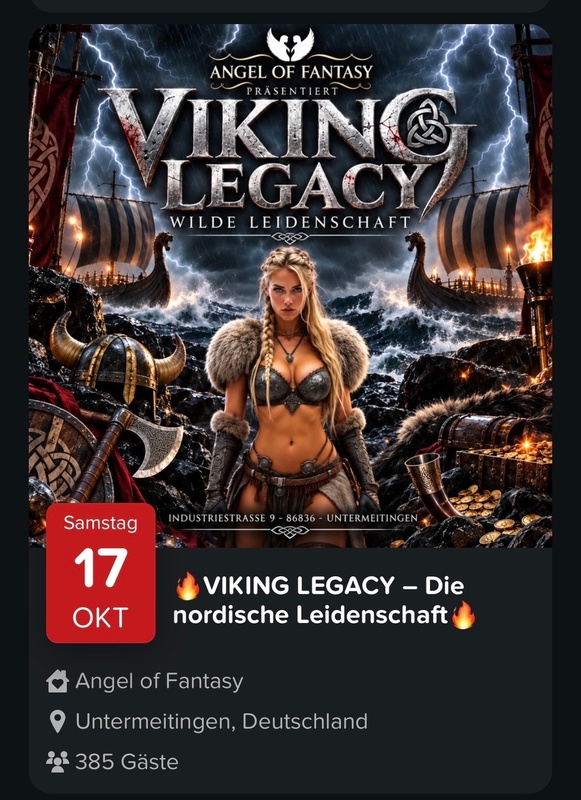
Advert for Viking Swinger Party in rural Bavaria, Germany. It features an AI generated depiction of a barely dressed female "Viking" warrior, horned helmets, beer horns, Viking ships and torches (the usual stock of images).
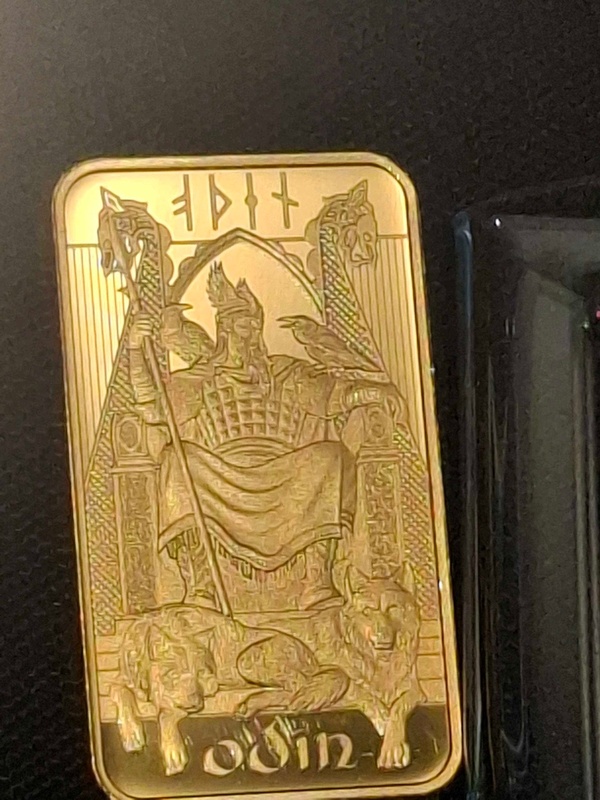
A special edition Gold Bullion bar made by the British Mint in 2024 featuring the norse god Odin. They also produced one for Loki and Thor. This piece was on display in the Jorvik Viking Museum, York, England.
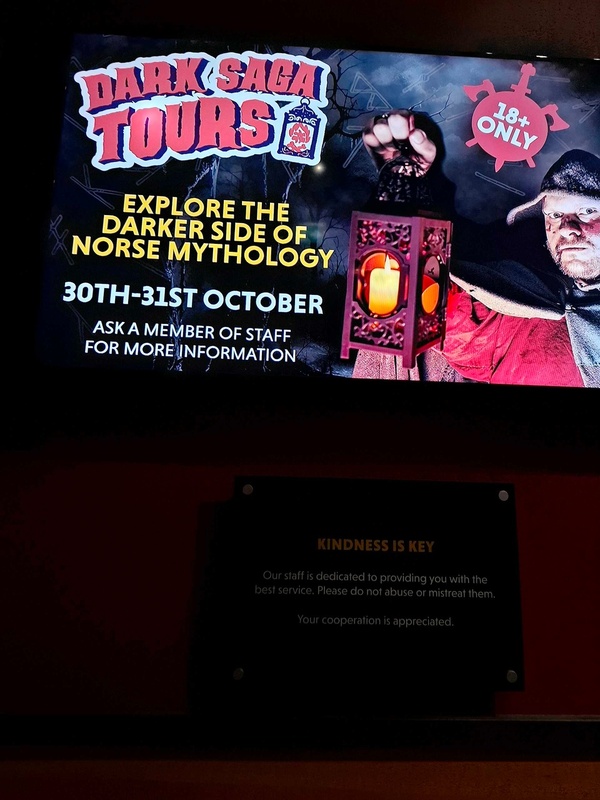
A special halloween/scary themed tour and experience of the Jorvik Viking Centre. Small groups were walked through the viking village and witnessed a norse story brought to life involving gods, curses and undead. Took place in 2024.
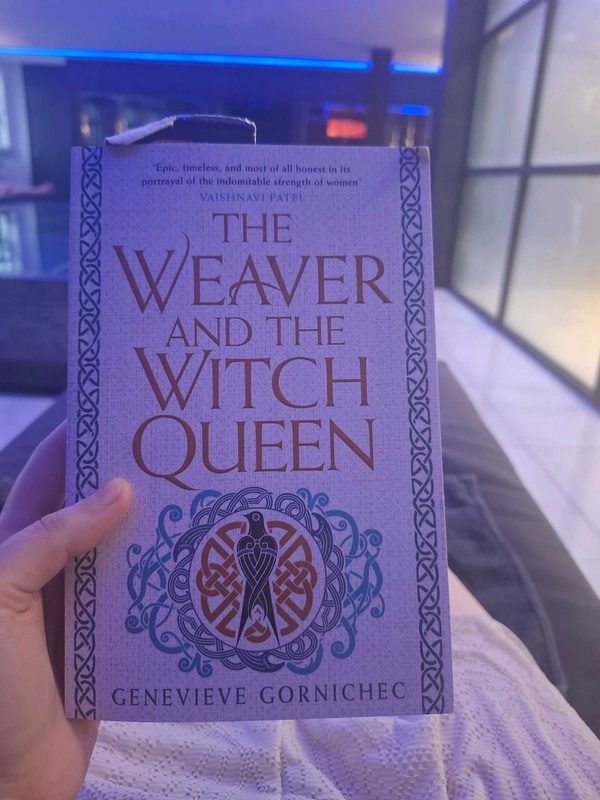
Fantasy novel "The Weaver and the Witch Queen". A historical setting with norse fantasy elements such as seidr magic, set in the time of Eric Bloodaxe and how he met his wife Gunnhild (10th Century Norway).
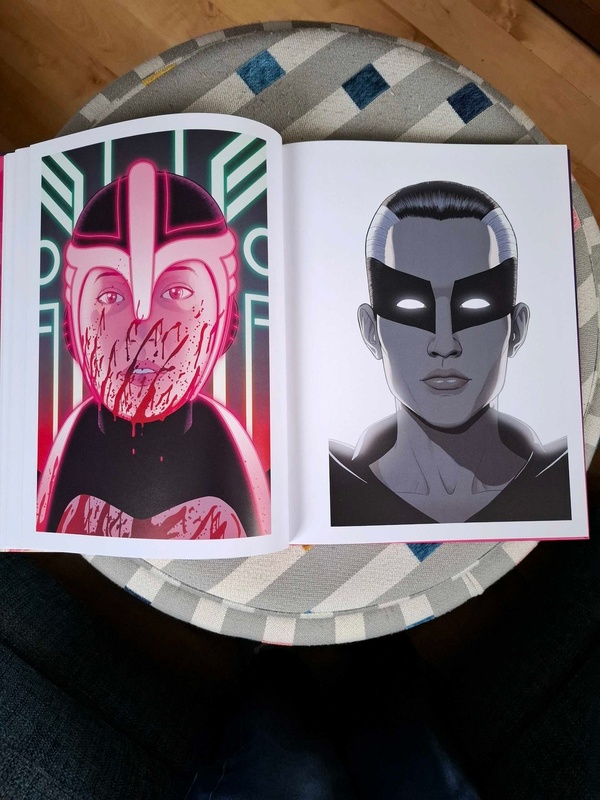
Illustrations from the comic book series "The Wicked + The Divine". These are the face pages of the characters of a Valkyrie (left) and a Norn (right) from the comic series.
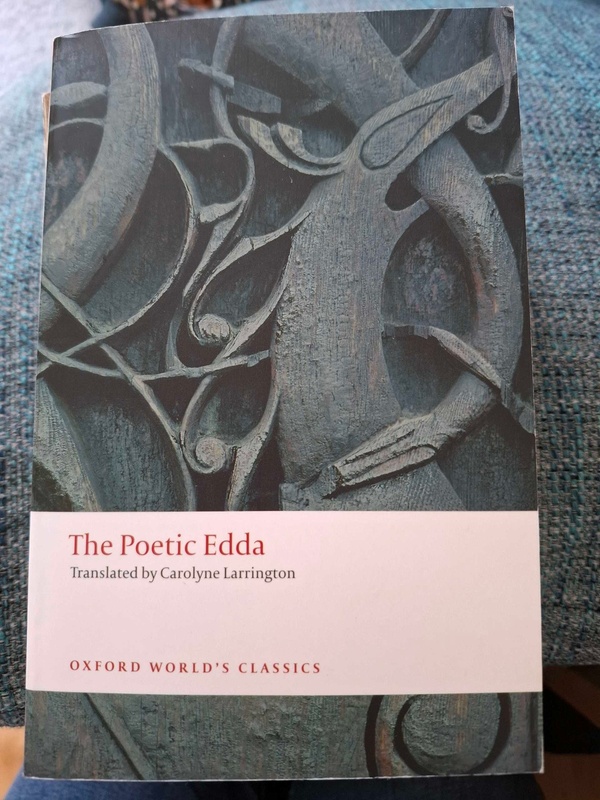
The Poetic Edda translated by Carolyne Larrington and published as part of the Oxford World's Classics series. Recounts the creation of the world, the exploits of gods like Odin and Thor, and the destruction and rebirth of the world at Ragnarok.
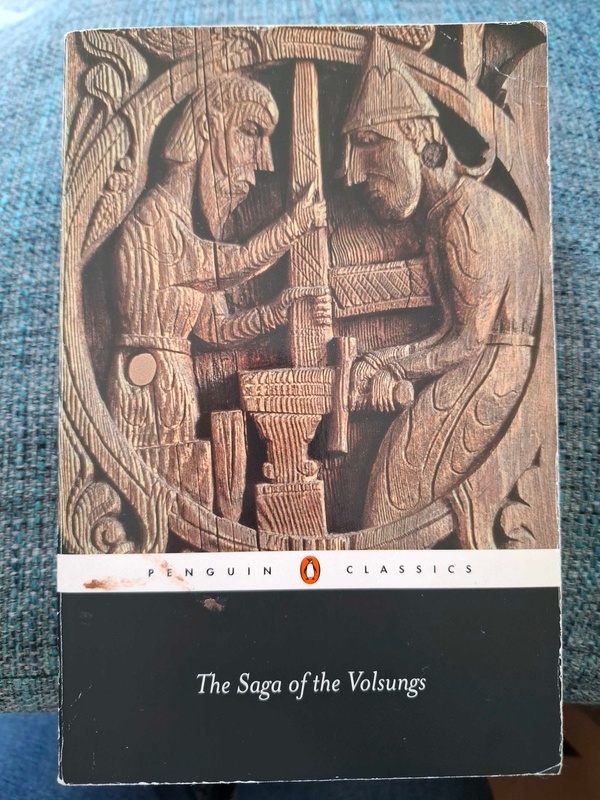
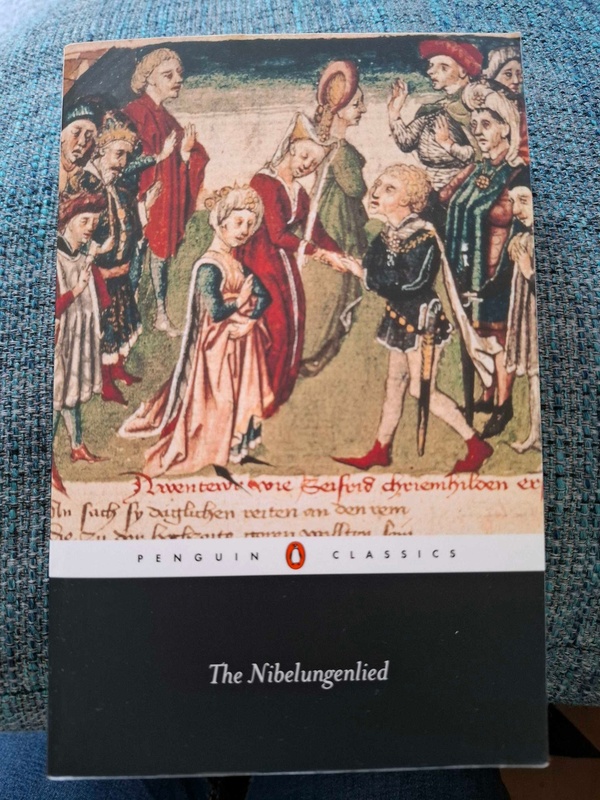
Penguin Classics paperback edition of The Nibelungenlied: Prose Translation translated by A.T. Hatto. Written around 1200 in Middle High German, The Nibelungenlied is a heroic epic closely linked to Old Norse mythology. It tells a version of the same pan-Germanic legend preserved in the Icelandic Poetic Edda and Völsunga saga. In the Norse tradition, the hero Siegfried is known as Sigurd, while Kriemhild appears as Gudrun.
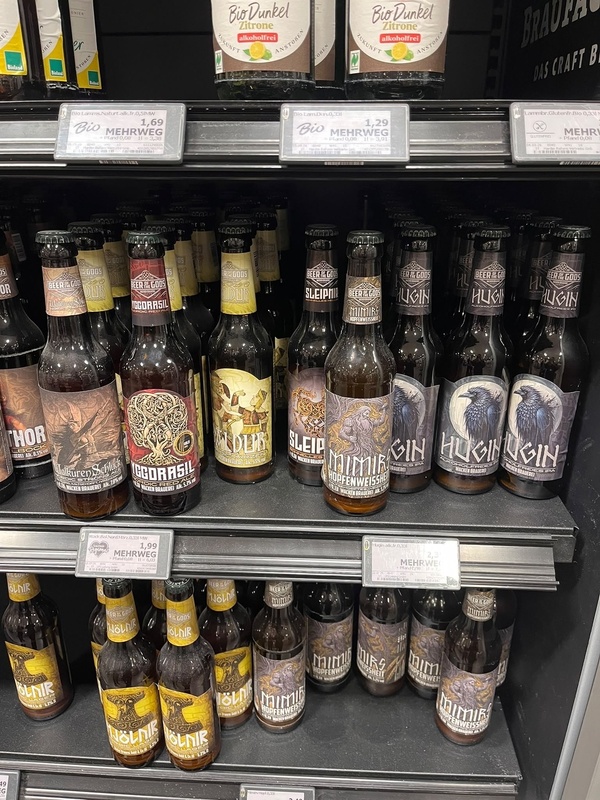
A store shelf displaying bottles of Wacken Brauerei "Beer of the Gods" craft beers from Germany. Hugin, Mumin, Yggdrasil, Mjölnir, Walkürenschluck (Valkyries Gulp) and Thor are some shown here.
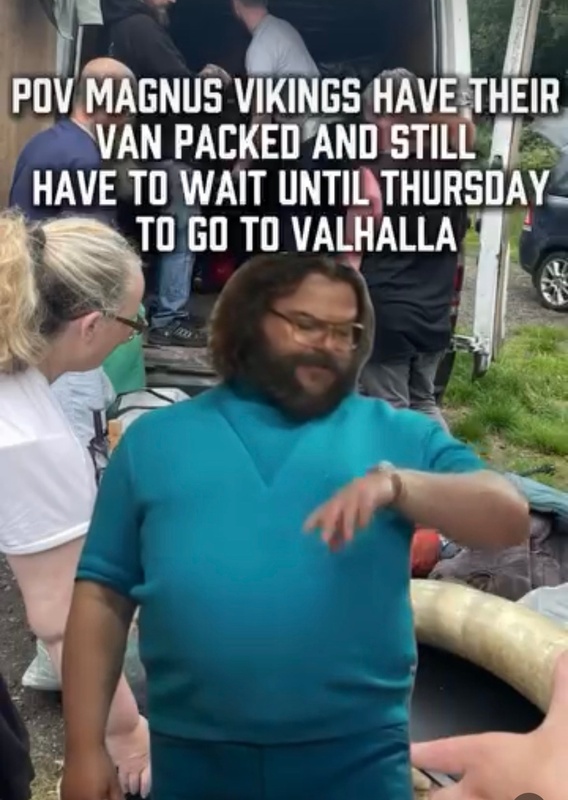
The image shows a humorous meme featuring a person wearing a blue shirt and glasses standing in front of a packed van with overlay text about waiting to go to Valhalla.
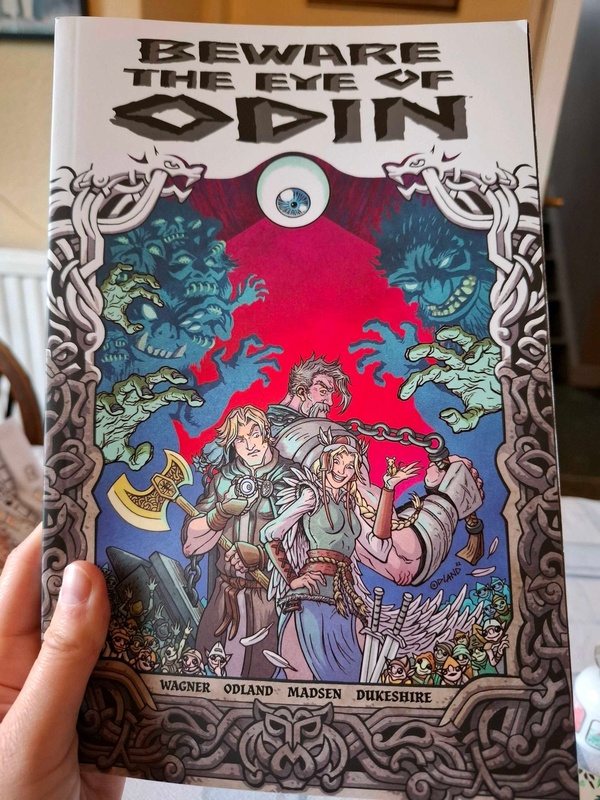
The first in a series of four volumes under the same title. Written by Doug Wagner, Illustrated by Tim Odland and Michelle Madsen. The cover art features two male Viking warriors and a female warrior convinced she is a Valkyrie, they are holding weapons and are surrounded by supernatural beings. The eponymous eye of Odin is looking down at them from the top of the page. The cover is framed by Norse inspired stonework.
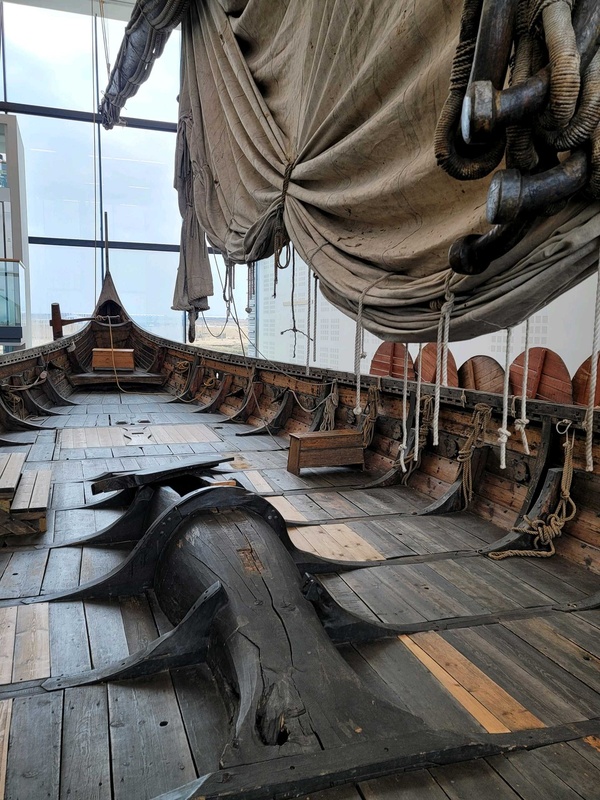
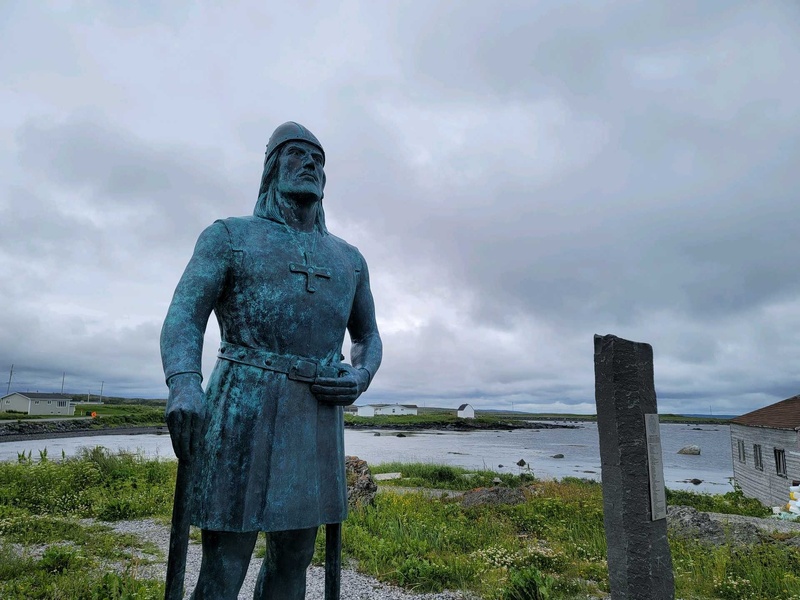
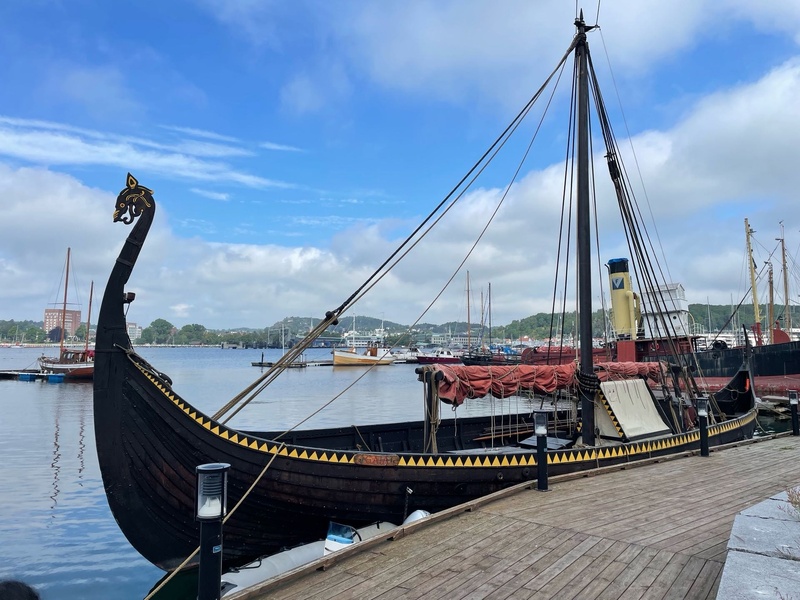
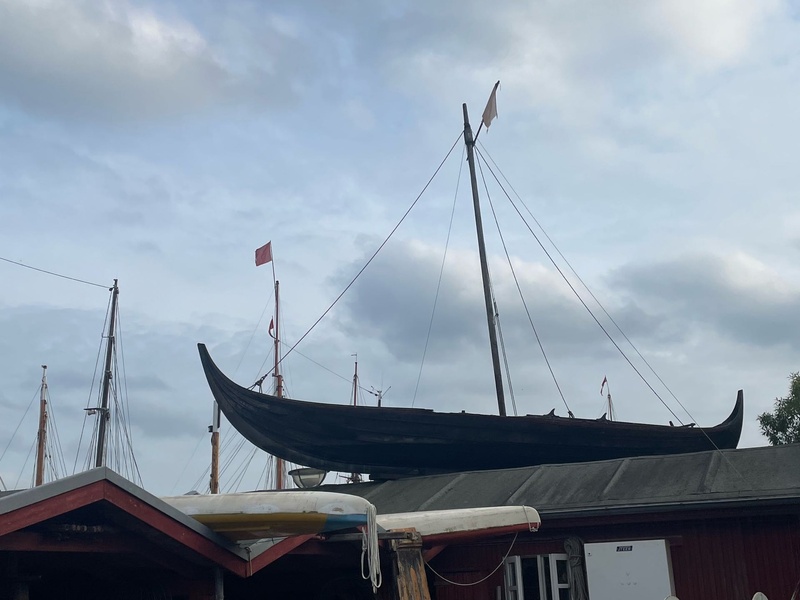
The Gaïa ship was built in the winter 1989-1990 by Jacob Bjørkedal in Norway as replica of the Gokstad ship. It was initially called Hav-Cella, but the then President of Iceland, Vigdís Finnbogadóttir, renamed it Gaïa when the ship made port in Iceland. This was during its maiden voyage to North America to mark the 1000th anniversary of Leif Eriksson's founding of the Norse settlement of Vinland.
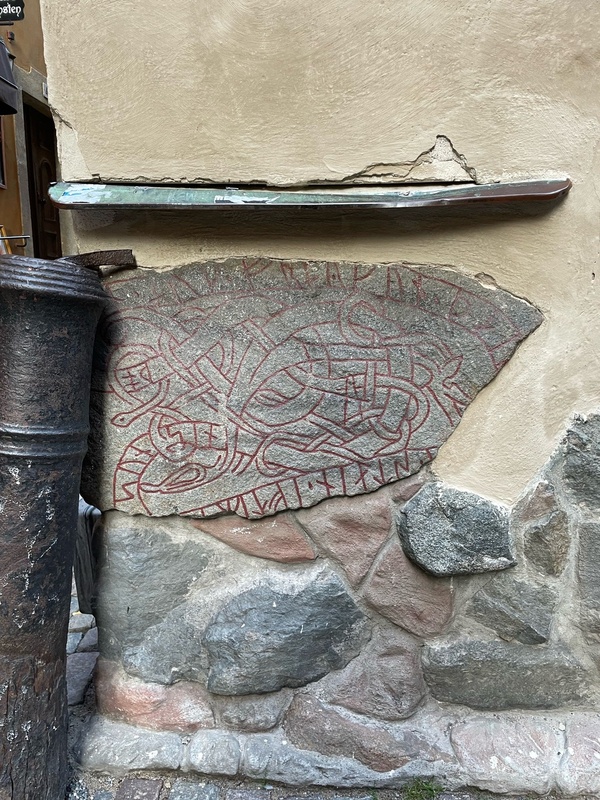
Runestone in Gamla Stan, Stockholm. This runestone is embedded in the wall of a building in Sweden, it features an outer band with an inscription and the inside is decorated with a snake motif.
The inscription reads:
Rune text transliteration: þor--ain · auk · fraykun ' þau …- · stain ' iftiʀ -… sun sin
Old Norse: Þor[st]einn ok Freygunnr þau … stein eptir …, son sinn.
English: Þorsteinn and Freygunnr, they … stone in memory of … their son.
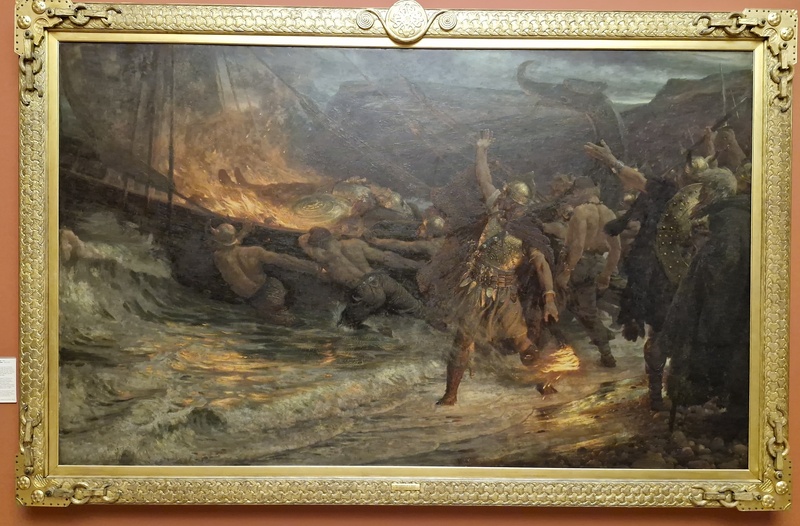
'The Funeral of a Viking' by Frank Dicksee (1893) in Manchester Art Gallery. Shows a Viking being set ablaze on a ship and pushed out to sea. The gallery text says that the image may have been inspired by the Old English poem 'Beowulf'.
There is also a note about the frame: 'decorated with a running chain pattern which is one of the features of the Viking Borre style of ornament in the 9th and 10th centuries'
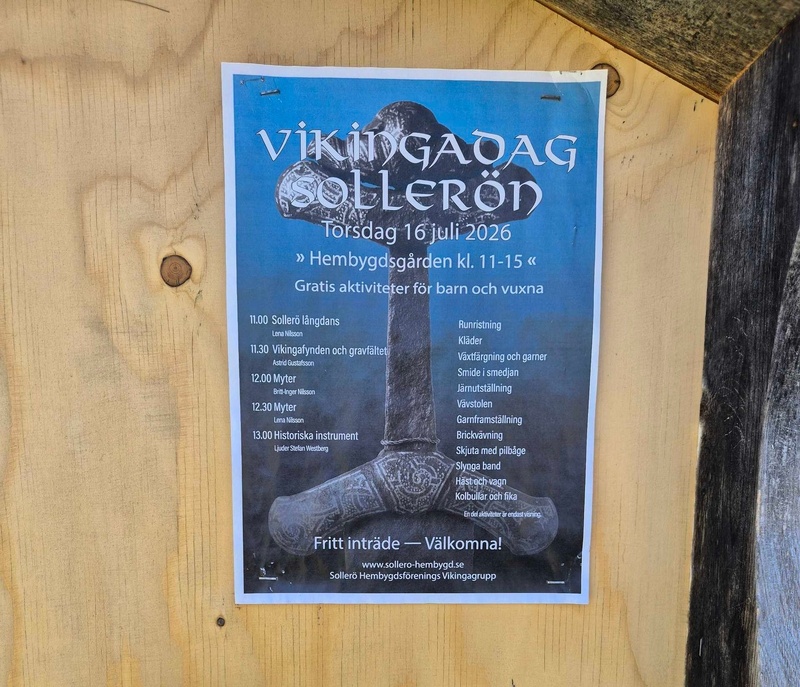
Advertisement for Sollerön Viking Day, held 16 July 2026 on the island of Sollerön, Sweden, by the Bengtsarv grave field site. The poster features a Viking sword.