Viking Hardware company van. The logo is stylised Viking with beard, horned helmet and axe. The company offers architectural ironmongery and industrial and building supplies.
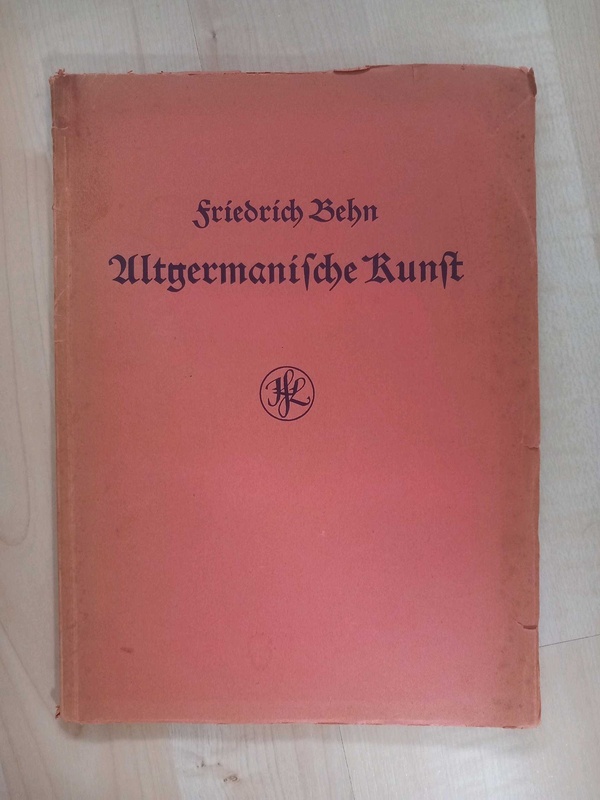
"Altgermanische Kunst" (Old Germanic Art) by Friedrich Behn is a nationalistic account of Germanic sources of art, written by a prehistorian who later joined various National Socialist organisations.
Description from contributor: Altgermanische Kunst by Friedrich Behn. A book with art from different periods including the viking age. The book has a chapter on good reads as it is put in the book on NS-ideology and the likes.
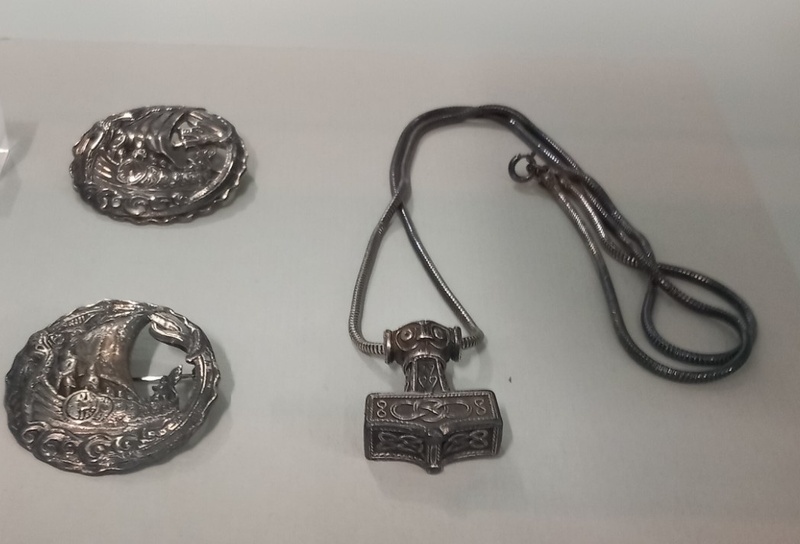
Contributor provided: A 2nd world war SS issued copy of the Thor's hammer found in Ödeshög, Sweden and some vikingship badges. These are on display in the Wewelsburg 1933 – 1945 Memorial Museum, as part of the “Ideology and Terror of the SS” expo.
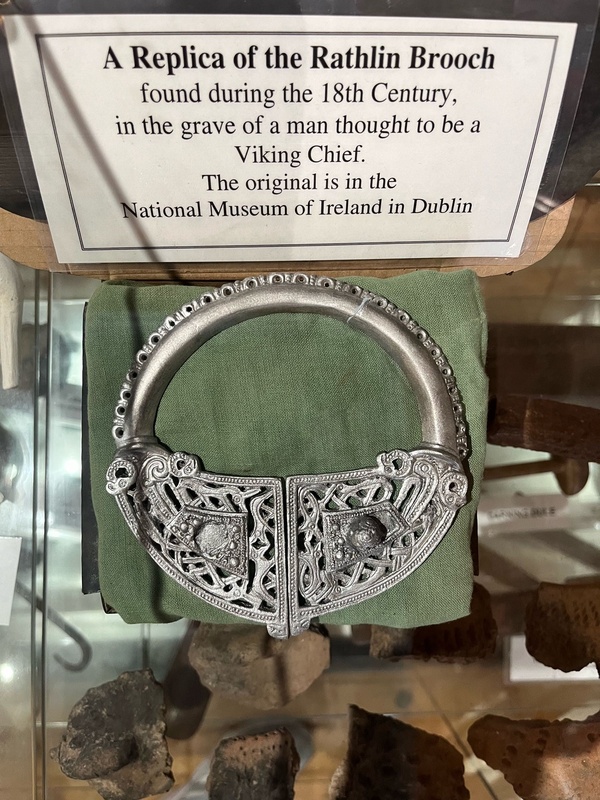
Found in the 18th century in Rathline in the grave of a man of high standing, this brooch is an example of Hiberno-Norse jewellery. The original can be found in the National Museum of Ireland in Dublin.
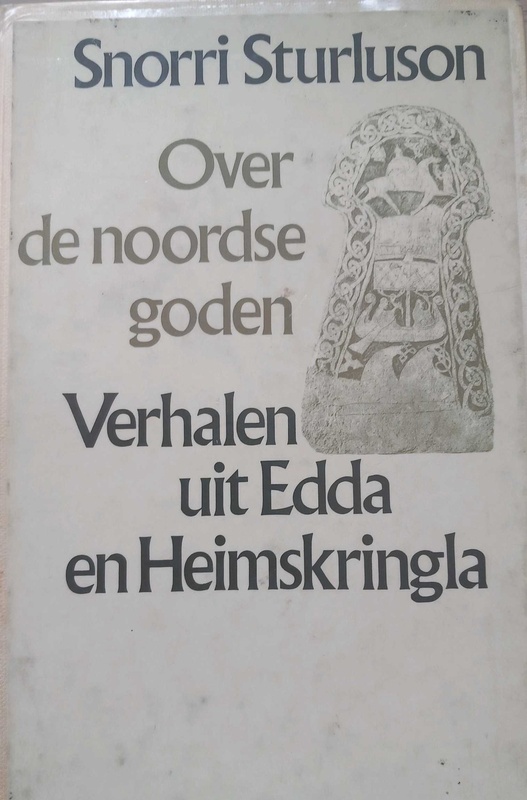
Dutch version of selected works by Snorri Sturluson. Title translated to English would be something like: "About the Norse Gods: Stories from the Edda and Heimskringla" 1983
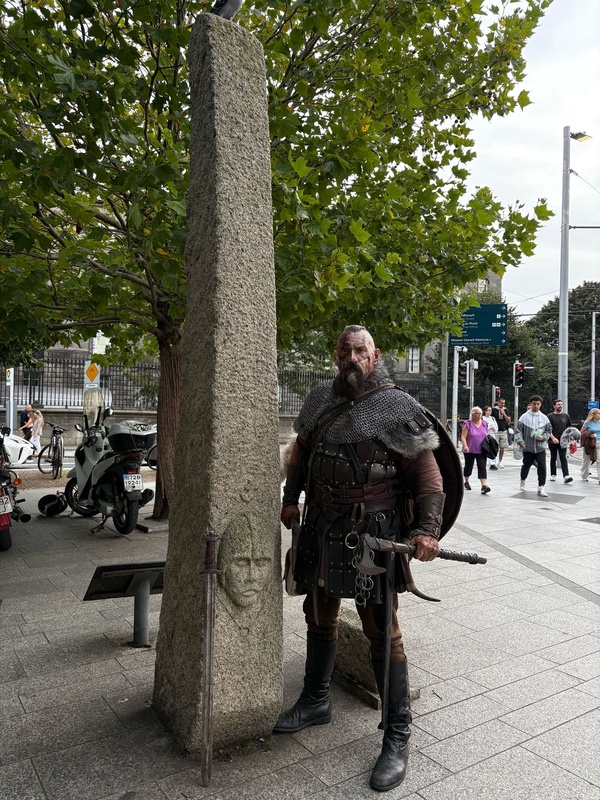
The Dubh Linn Viking from Viking Legacy Trails standing beside the Long Stone replica, an 11 foot tall sculptural pillar made of granite and situated in the proximity of the Crampton Memorial. The pillar was designed by Cliodhna Cussen and placed in its present location in 1986, ideologically replacing the original Viking standing stone of around 849 CE. It features the effigy of Ivar the Boneless.
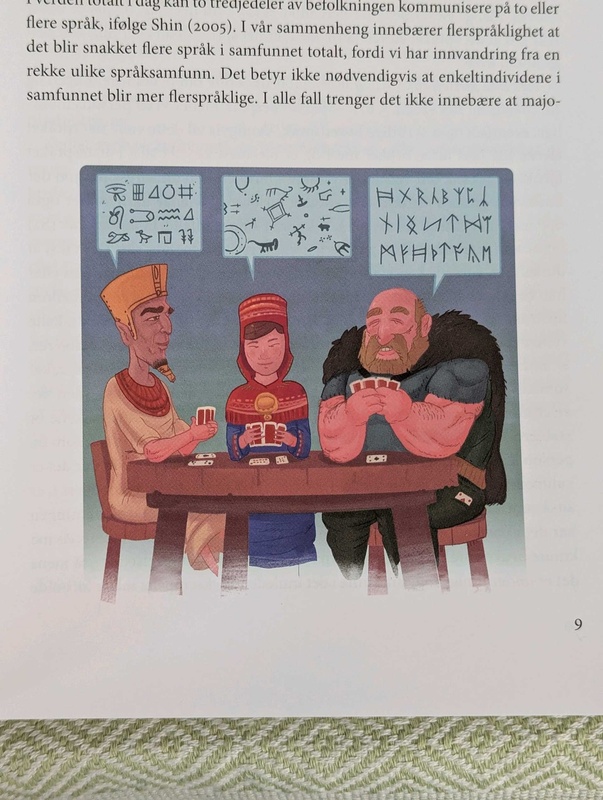
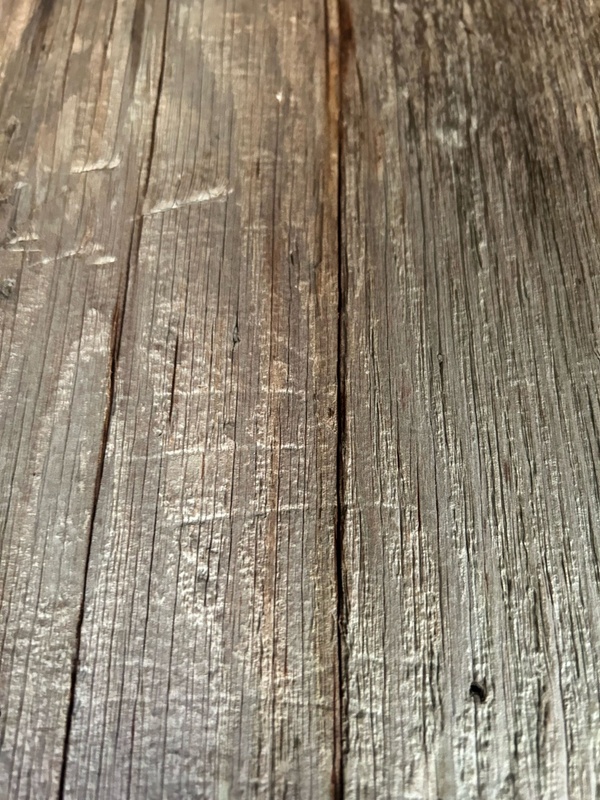
Runic inscriptions on the Eidsborg stave church.
N 167, Eidsborg kirke, Eidsborg, Mo og Skafså sogn, Norge
… ¶ …llllliiiii fuþ(o)r(k)(h)… …
… … <fuþorkh…> …
”… <fuþorkh…> …”
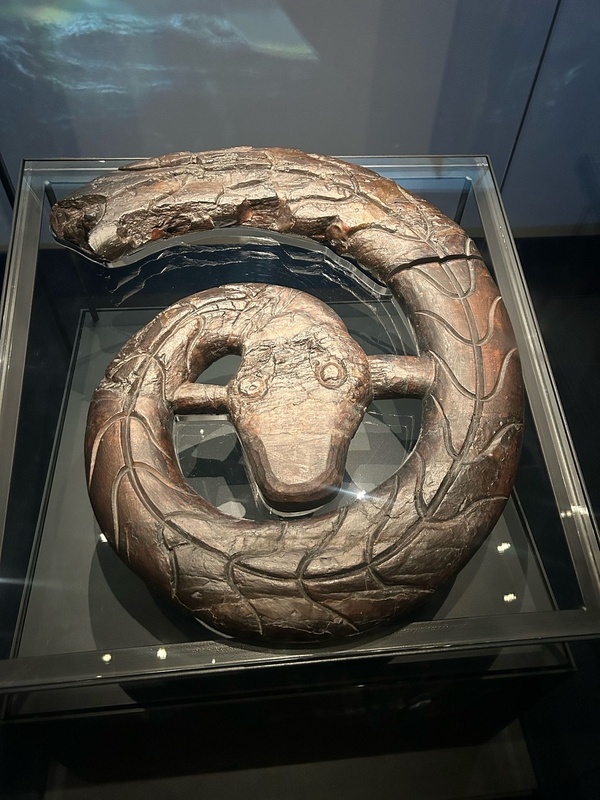
Original serpent head of the Oseberg Ship.
Built around the year 820. Used as a burial ship in 834. Excavated by archaeologists in 1904.
21.5 meters long and 5 meters wide.
It has 15 oar holes on each side, fully manned with 30 rowers.
The world's best-preserved Viking ship, today consisting of about 90 percent original wood. The rest has been replaced with newer wood.
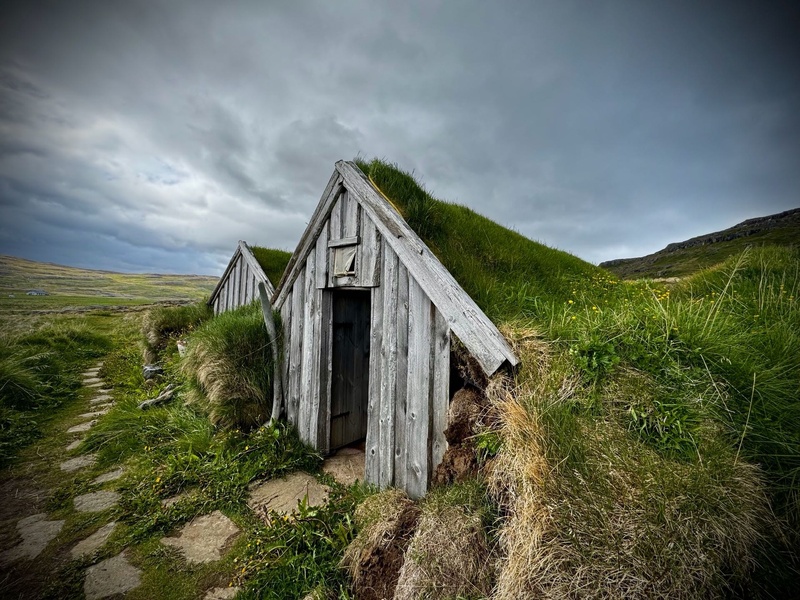
The Sorcerer’s Cottage (Icelandic: Kotbýli kuklarans) in the Westfjords region of Iceland. Three turf houses demonstrating living conditions in seventeenth-century Iceland, during the 'witch hunt' era.