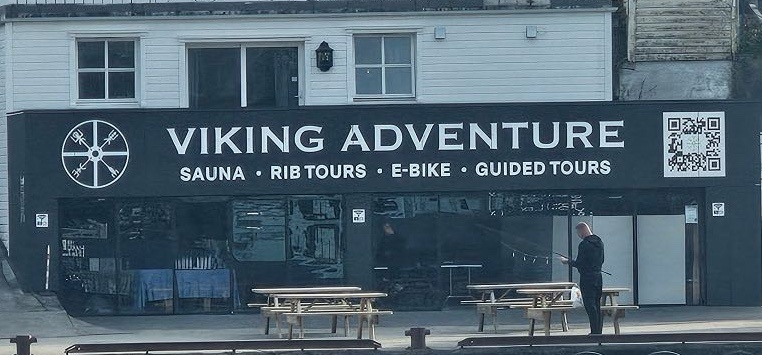
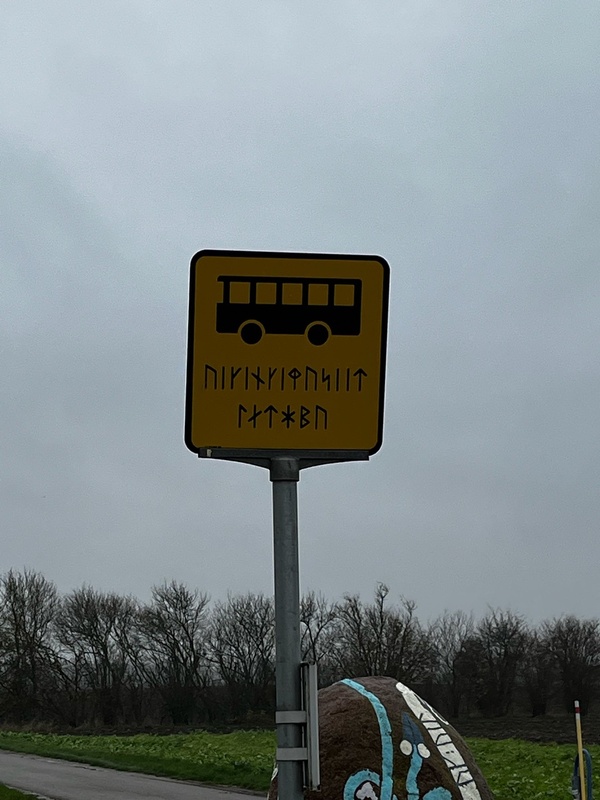
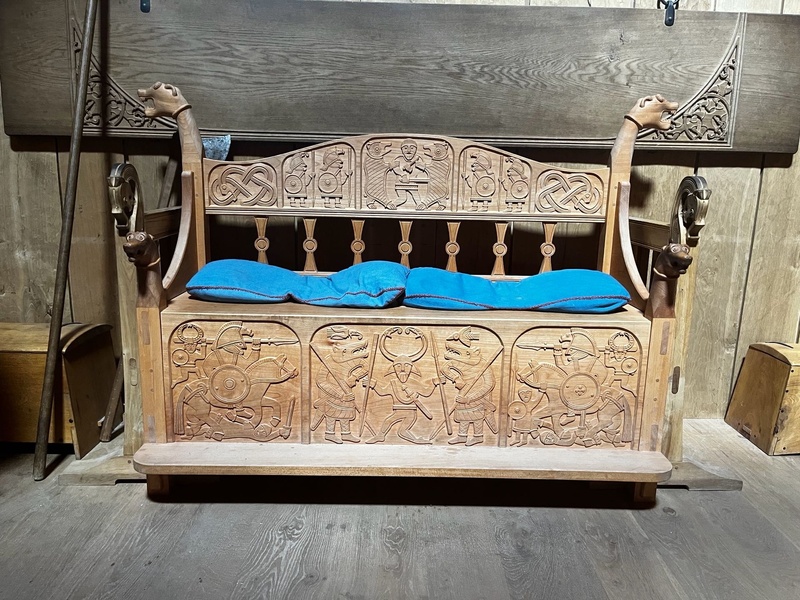
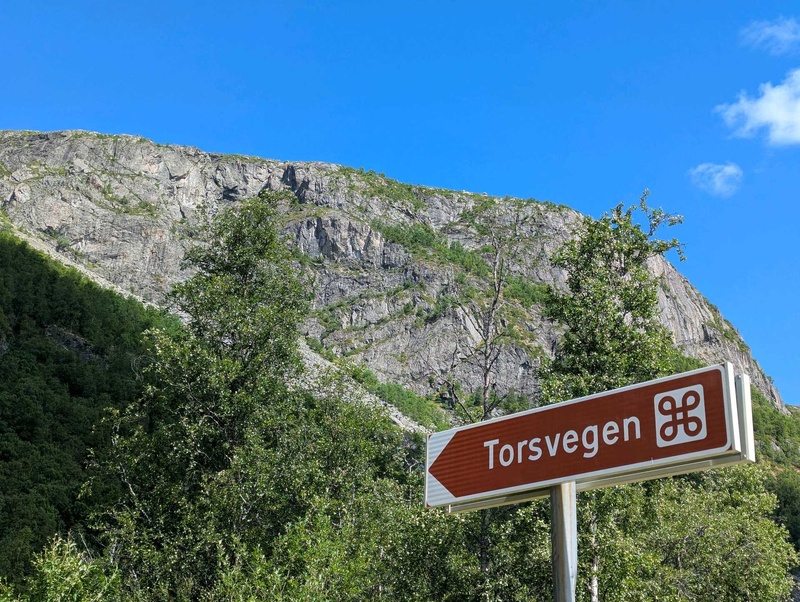
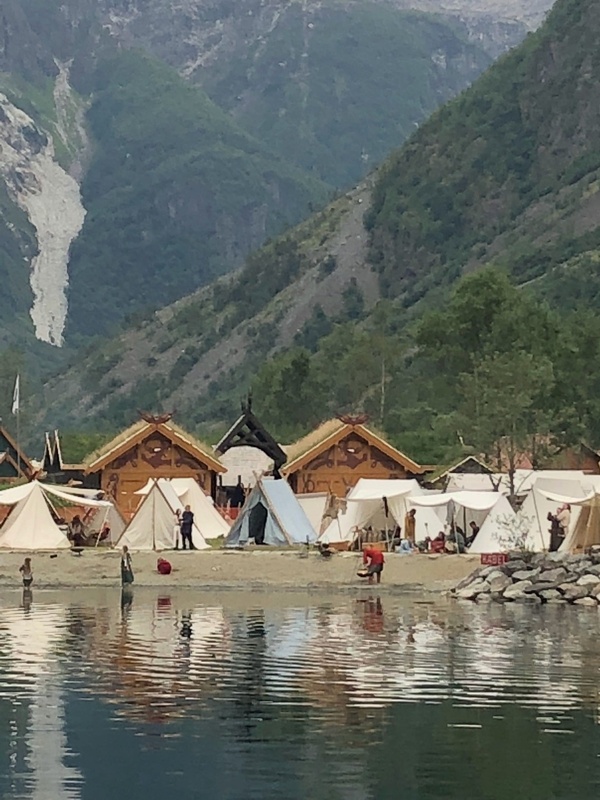
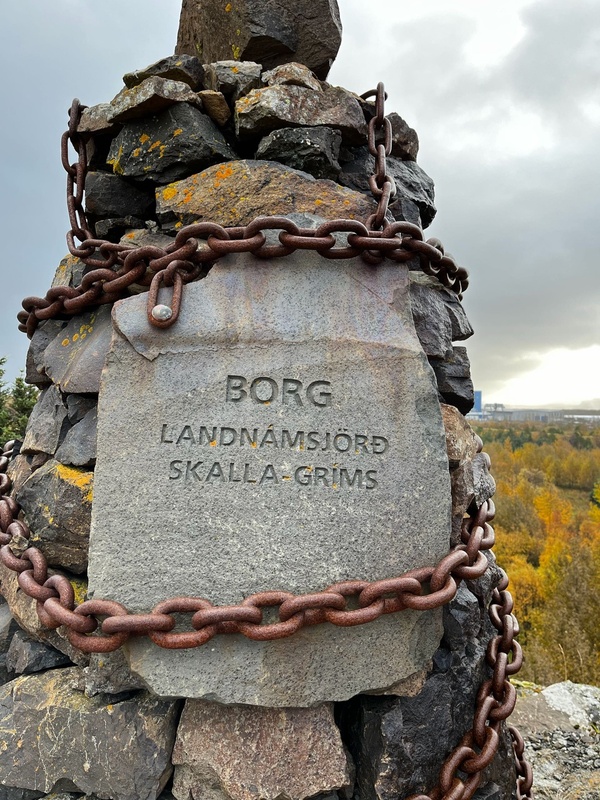
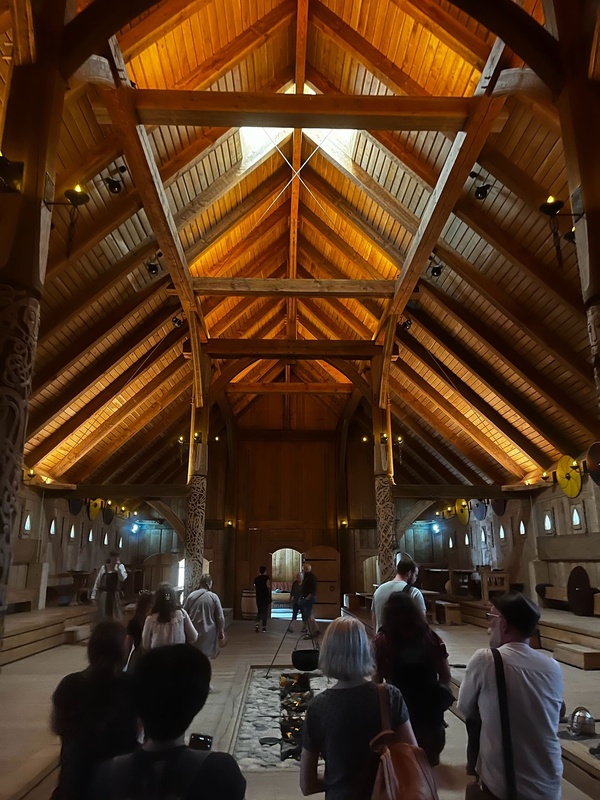
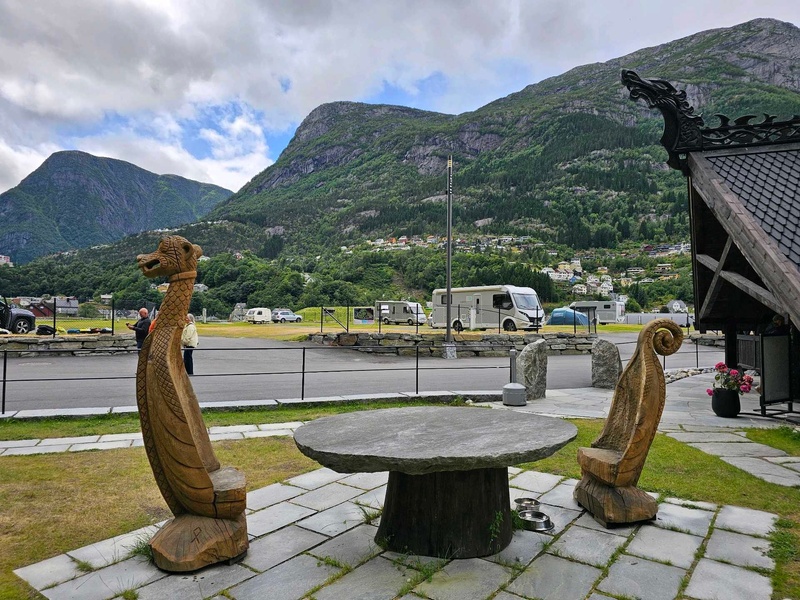
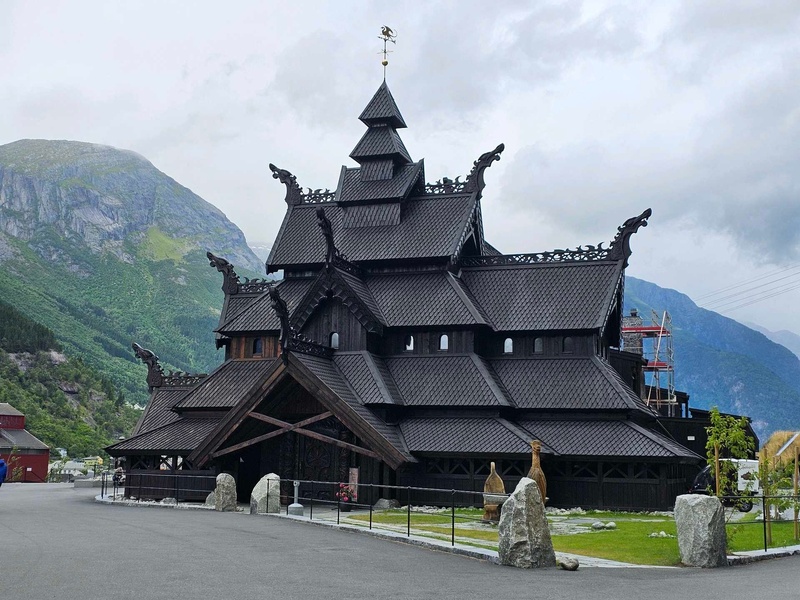
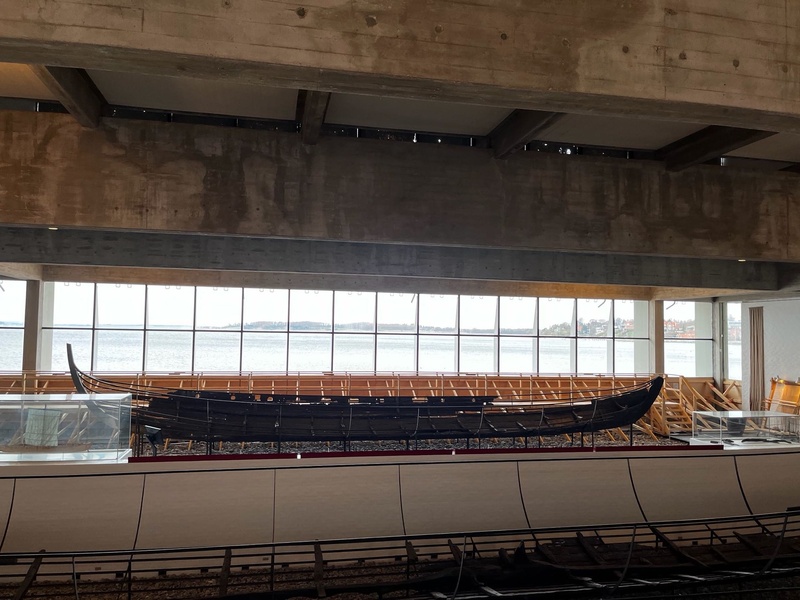
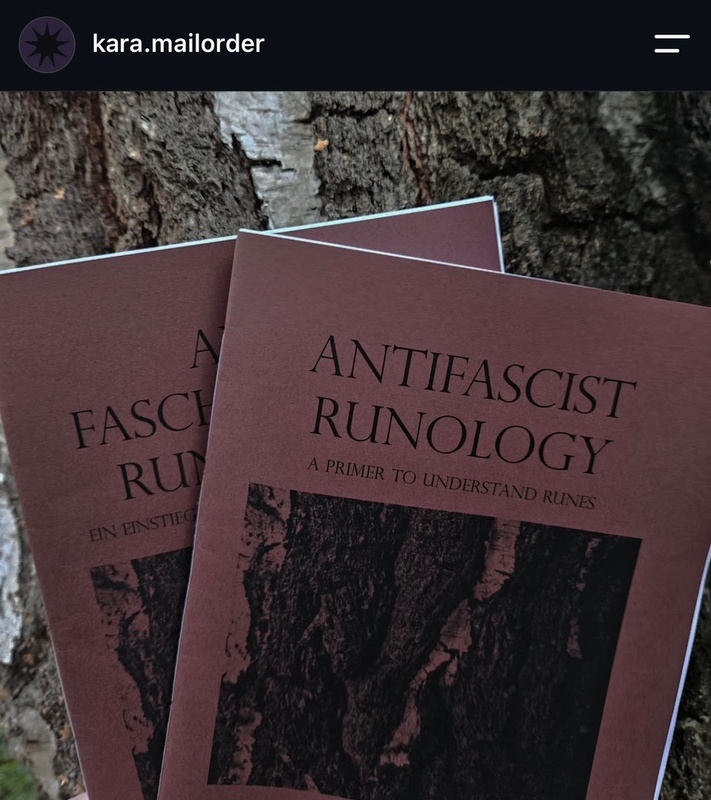
Viking Adventure Centre in Haugesund, Norway. The sign features the name along with a circular symbol on the left that resembles the 'Vegvisir' Icelandic stav.
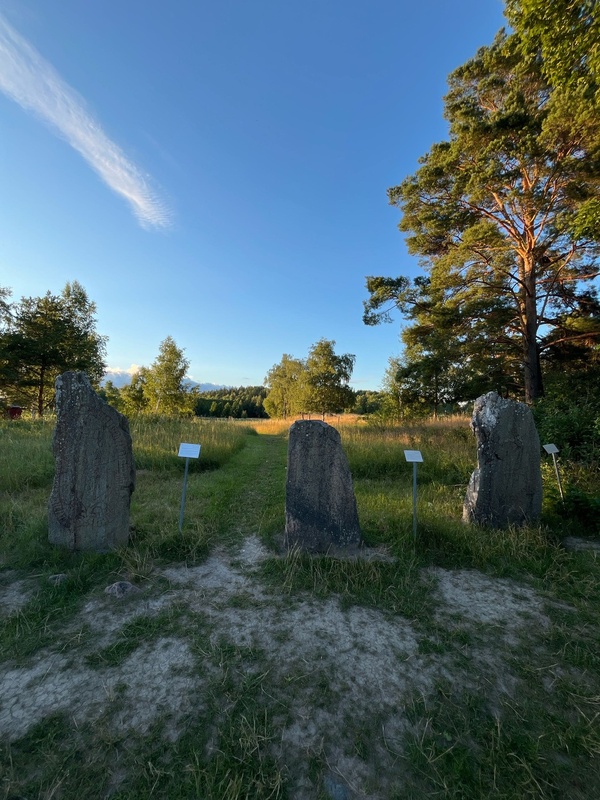
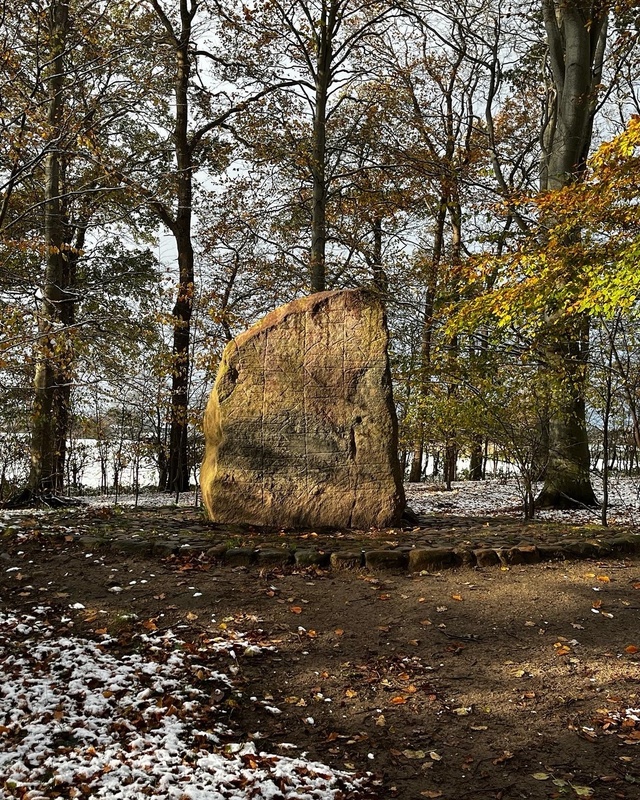
The Broby Bro Runestones—U 135, U 136, and U 137—are a group of Late Viking Age memorial stones in Täby, Uppland, Sweden. Dating to around AD 1020–1050, they commemorate members of the influential Jarlabanke family and include inscriptions about Estrid and her husband Östen, who is remembered for travelling to Jerusalem and dying in the Byzantine Empire.
U 135
Runes:
× ikifastr × auk × austain × auk × suain × litu · raisa + staina þasa · at · austain faþur × sin × auk × bru × þasa karþu × auk × hauk þana ×
Rune text transliteration:
Ingifastr ok Eysteinn ok Sveinn létu reisa steina þessa at Eystein, fǫður sinn, ok brú þessa gerðu ok haug þenna.
English translation:
Ingifastr and Eysteinn and Sveinn had these stones raised in memory of Eysteinn, their father, and made this bridge and this mound.
U 136
Runes:
× astriþr × la(t) + raisa × staina × þasa × [a]t austain × buta sin × is × suti × iursalir auk antaþis ub i × kirkum
Rune text transliteration:
Ástríðr lét reisa steina þessa at Eystein, bónda sinn, er sótti Jórsalir ok endaðist upp í Grikkjum.
English translation:
Ástríðr had these stones raised in memory of Eysteinn, her husbandman, who attacked Jerusalem and met his end up in Greece.
U 137
Runes:
· aystin · auk · astriþr · raistu · stina · aftir · kak · sun · sin ·
Rune text transliteration:
Eysteinn ok Ástríðr reistu steina eptir Kag(?)/Gag(?), son sinn.
English translation:
Eysteinn and Ástríðr raised the stones in memory of Kagr(?)/Gagr(?), their son.
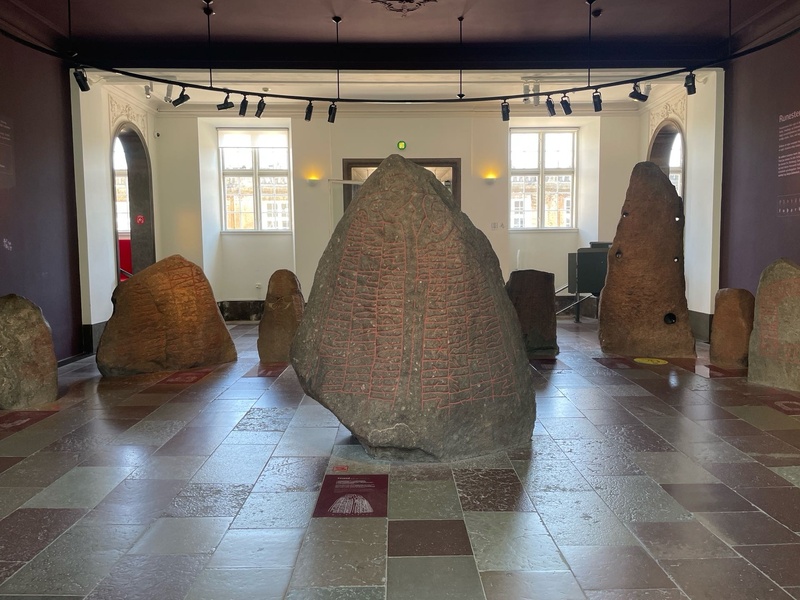
Picture of several runestones located at Nationalmuseet, the National Museum of Denmark in Copenhagen. The runestone at the forefront is the Tirsted runestone DR 216. This commemorative inscription runs on two sides of the stone, and reads:
Translitteration
§A osraþr auk hiltu(-)-ʀ ¶ raisþu stain þansi ¶ aft froþa fronti sin ¶ sin ian han uas þo foink ¶ uaiʀa §B ian han uarþ tauþr o suo¶þiauþu auk uas furs ¶ i frikis ioþi þo aliʀ uikikaʀ
English
§A Ástráðr and Hildungr/Hildvígr/Hildulfr raised this stone in memory of Fraði/Freði, their kinsman. And he was then the terror(?) of men. §B And he died in Sweden and was thereafter the first(?) in(?) Friggir's(?) retinue(?) and then: all vikings.
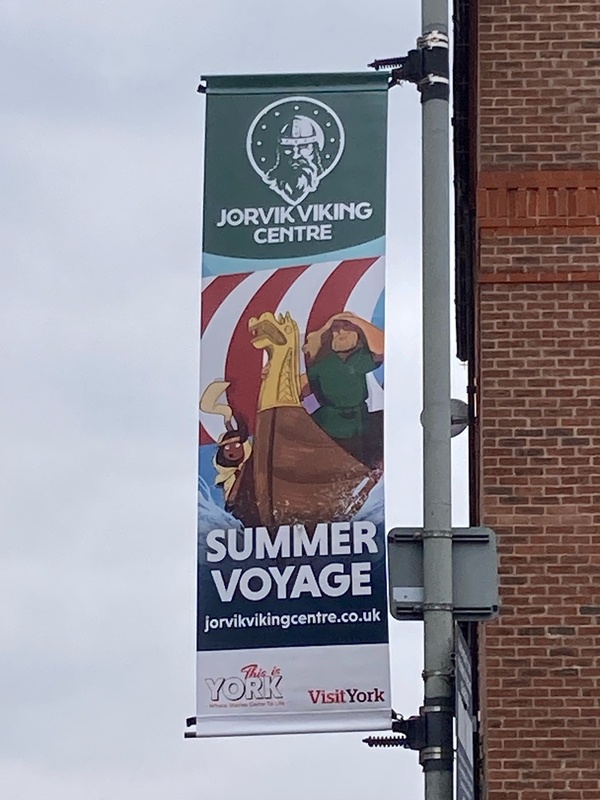
Signage to the Jorvik Viking Centre including advertisement for the Summer Voyage, This is York and Visit York. The advertisement includes a cartoon of a ship with sails and two Vikings
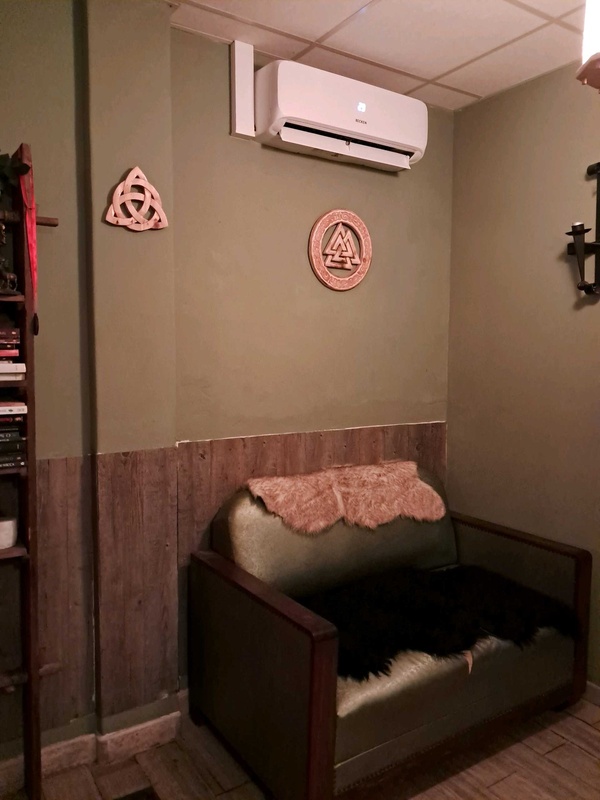
Wooden carved artwork from inside the restaurant O’Covil in Lisbon, Portugal. The item on the left is a celtic knot and the item on the knight is a Valknut.
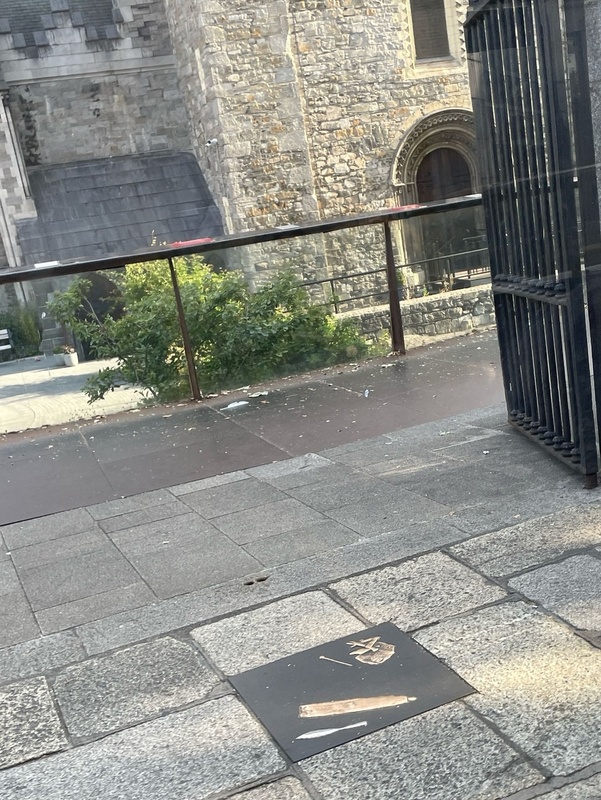
Viking metal plaque from Dublin, part of a series located around Christ Church and Wood Quay in Dublin. They feature replicas of medieval and Viking artefacts. This plaque includes a spearhead, needle, iron weaving sword or batten, and a key and lock mechanism.
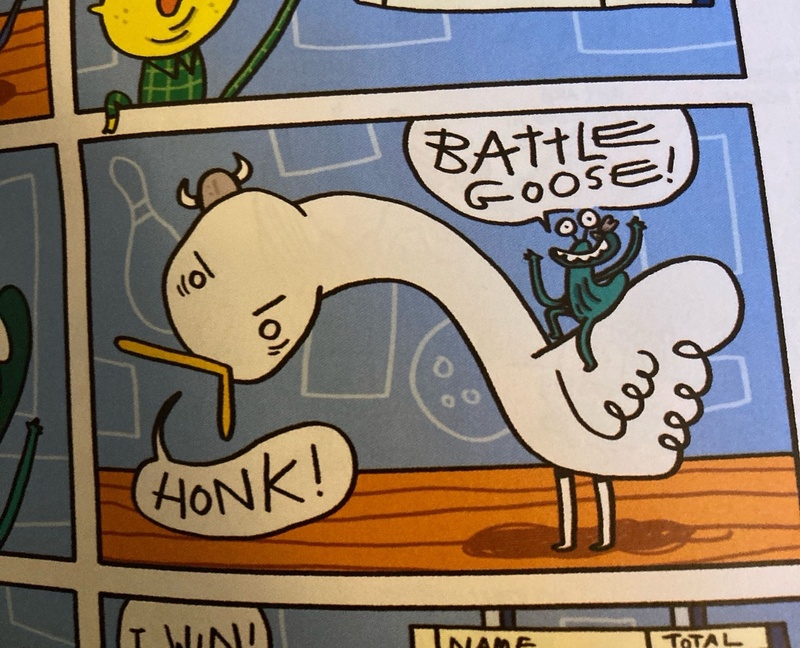
Doug Slugman, P.I. by Joe List in the Phoenix Comic the week of the 16-July-2026. The comic features a battle goose wearing a horned Viking helmet saying "honk" with a small creature riding it's back.
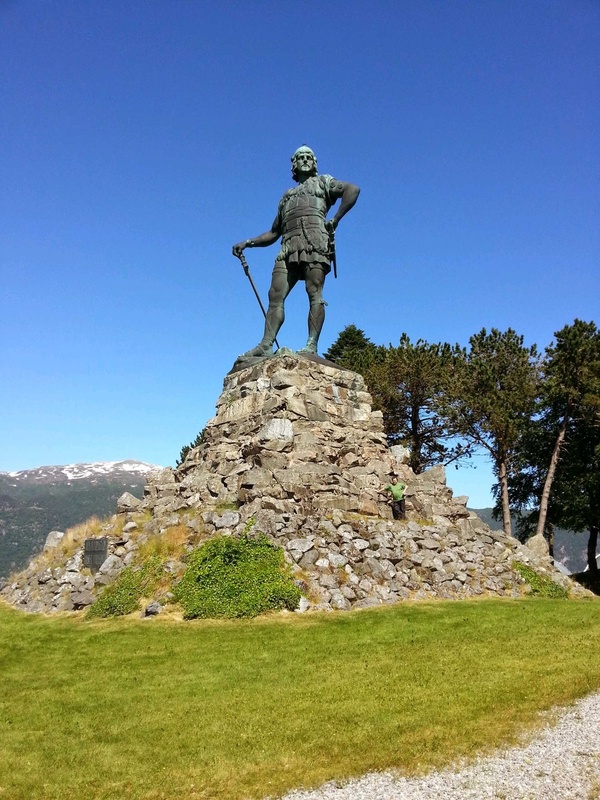
Statue of Fridtjov the bold. Located in Vangsnes, a village in Vik Municipality in Vestland county, Norway, stands the statue of Fridtjof the Bold. Fridtjof, who was the king of Ringerike and Sogn according to Friðþjófs saga hins frœkna (Fridtjof's Saga). The statue was commissioned by Kaiser Wilhelm II of Germany. It is 10.5 metres (34 ft) high and is situated on a 12-metre (39 ft) high platform. The statue was sculpted by German sculptor Max Unger (1854-1918). It was transported to Vangsnes in 15 sections and erected during February 1913.
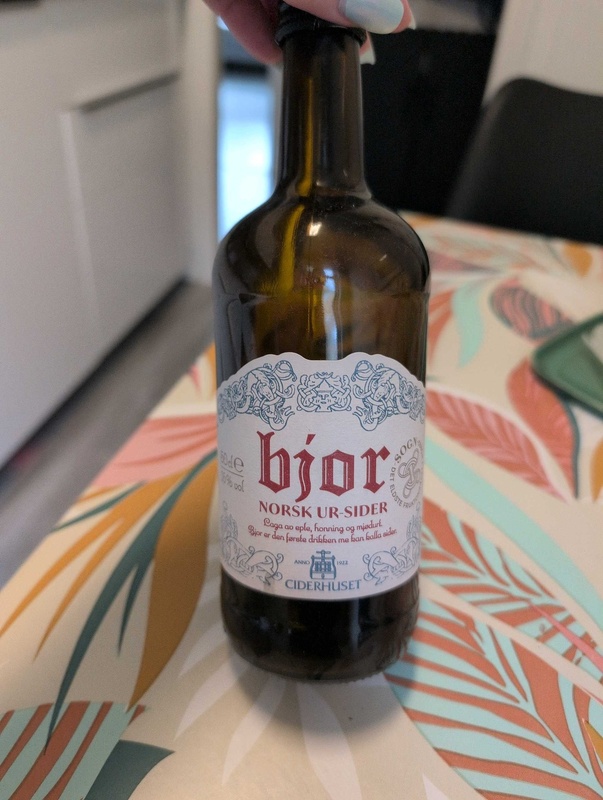
Bjor ur-sider, also known as Bjor Viking cider. Produced by Ciderhuset / Balholm in Sogn, Norway, it is a strong, sweet, and aromatic style of cider meant to emulate the mead-like fruit brews of the Vikings. It is considered a rich "Viking cider" as it is flavored with honey and meadowsweet which is believed to have been used by Vikings.
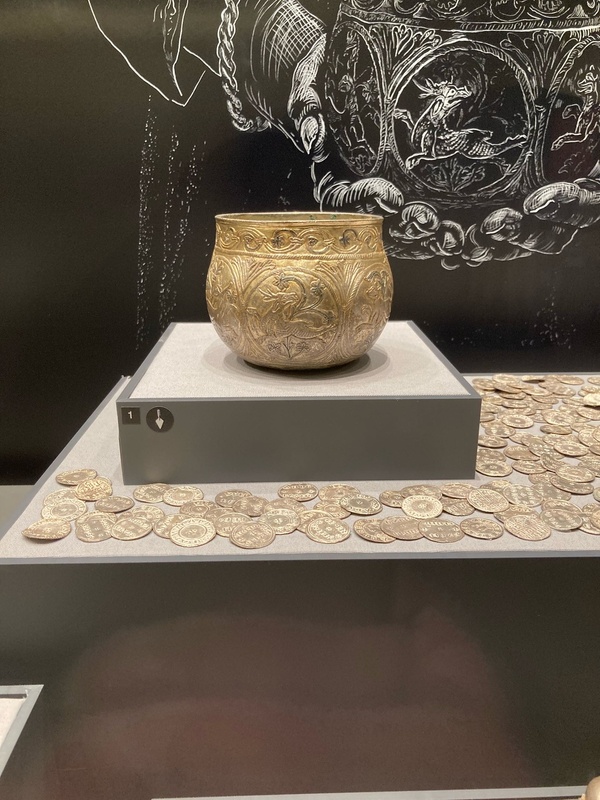
Picture of part of the Vale of York hoard, found in 2007 in North Yorkshire, England and now housed at the Yorkshire Museum. This 10th century Viking hoard contains 617 silver coins and 65 other items. This pictures show some of those coins, and the Vale of York cup, a gilt silver cup possibly plundered from the North of France.
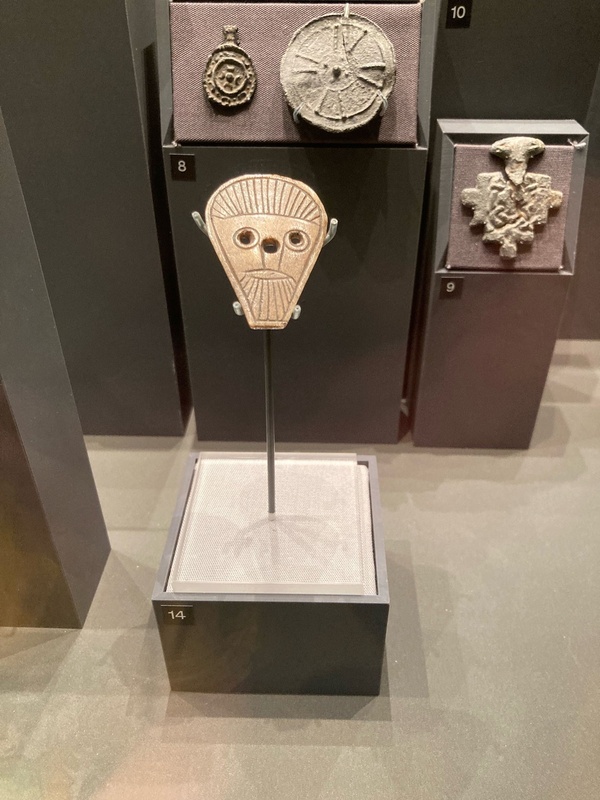
This carved bone plaque is believed to be a self-depiction of a Viking Age Norseman. Dated between the years 866-1000 it is part of the Viking North exhibition ath the Yorkshire Museum. Pictured behind it is a selection of silver pendants.
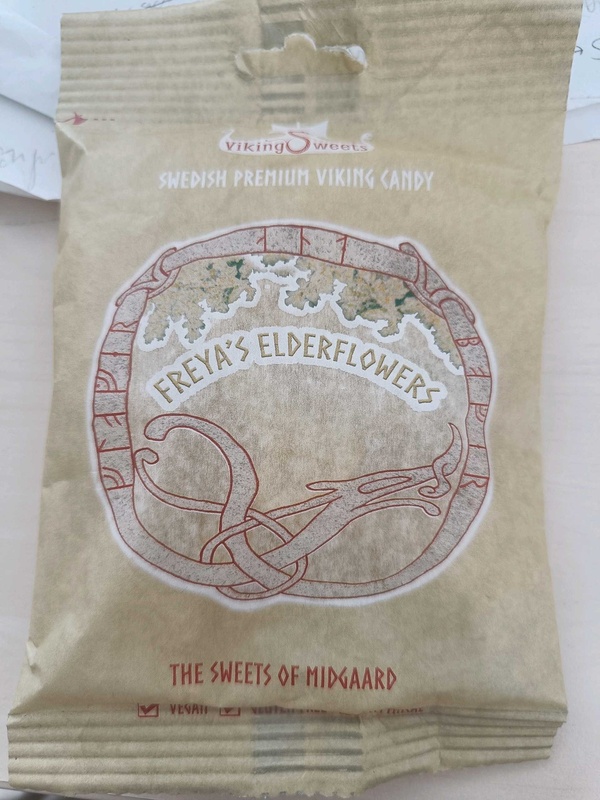
A bag of Freya's elderflowers candy by the company Viking Sweets. This Swedish company sells "premium Viking candy" under the collected name of "Sweets of Midgaard". Their candy bags are decorated with a runestone inspired motif.
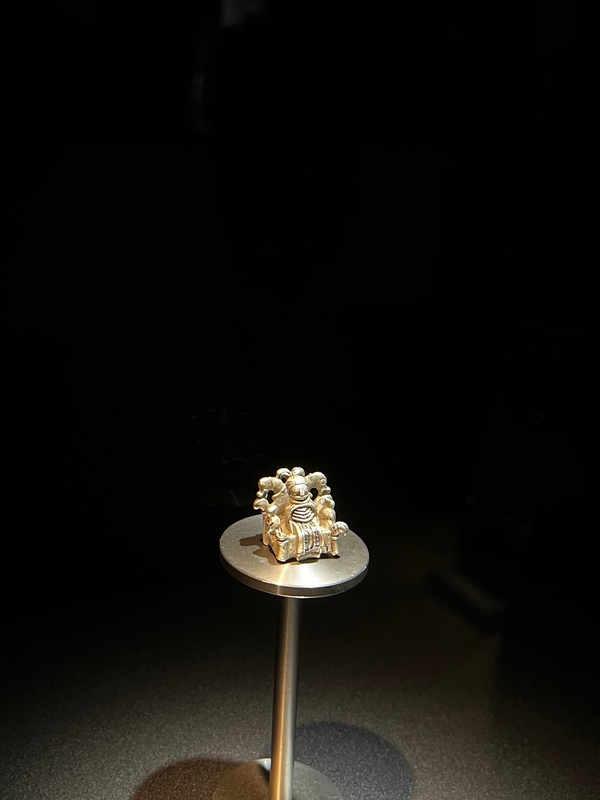
This chair amulet has been interpreted as depicting the Norse god Odin sitting at a high chair with his ravens. Dated approximately to the year 900, the amulet was found in Lejre in 2009 and subsequently housed at the Roskilde museum.
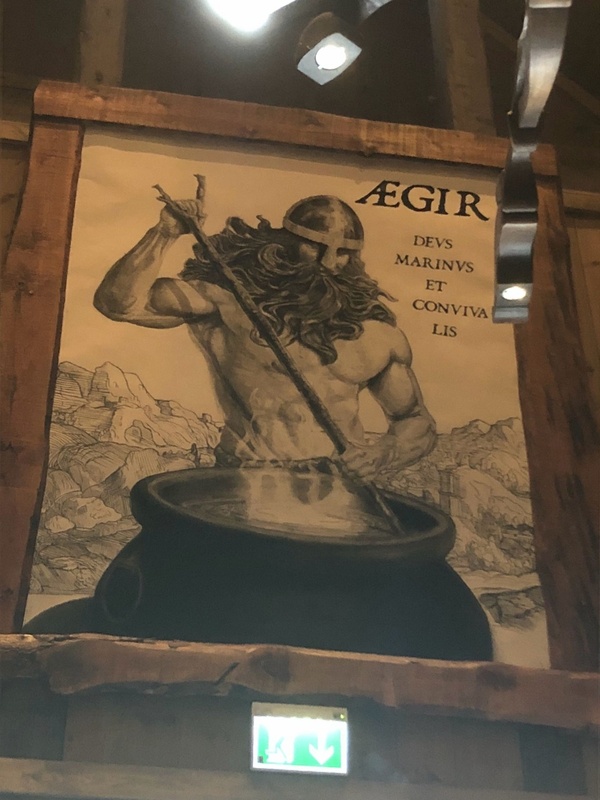
This poster depicts the Jötunn Ægir stirring his cauldron, and reads "Ægir deus marinus et convivalis" (Ægir god of the sea and hospitality). This title references a myth according to which Ægir was made to host the gods and brew beer for them.
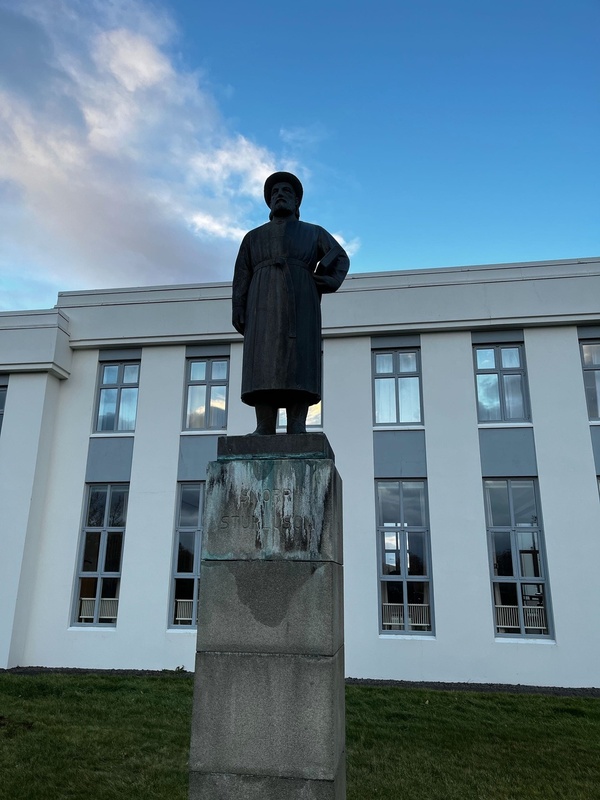
Statue of Snorri Sturluson by Norwegian sculptor Gustav Vigeland in Reykholt. The statue was donated to Iceland by the Norwegian government in 1947. A year later, a copy of the statue by the same sculptor was erected in Bergen.
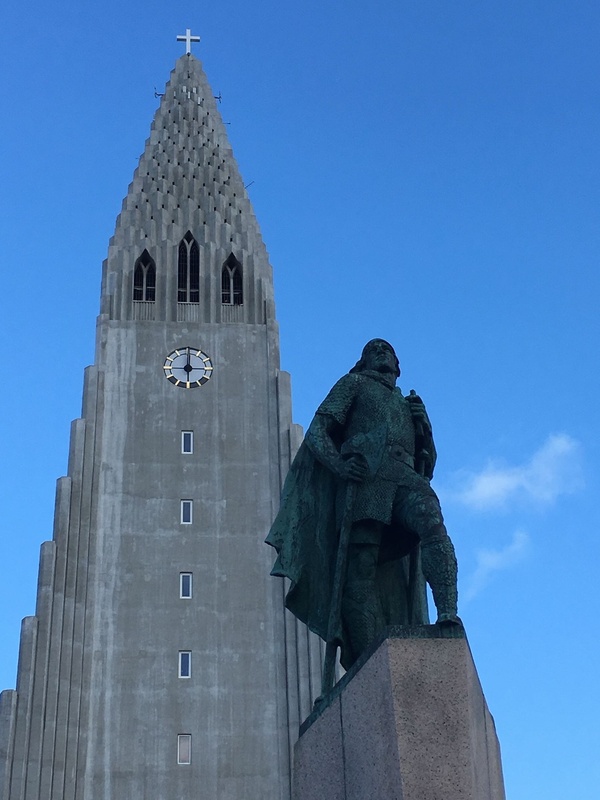
Contributor supplied: The statue of Leif Erikson, Norse explorer son of the (in)famous Erik the Red, was a gift to Iceland from the United States of America in occasion of the 1000th anniversary of the Icelandic Althing. This statue was made by Alexander Stirling Calder and unveiled in 1932 in Reykjavík. A second casting of the statue was made in 1939 and stands in Newport News, Virginia.
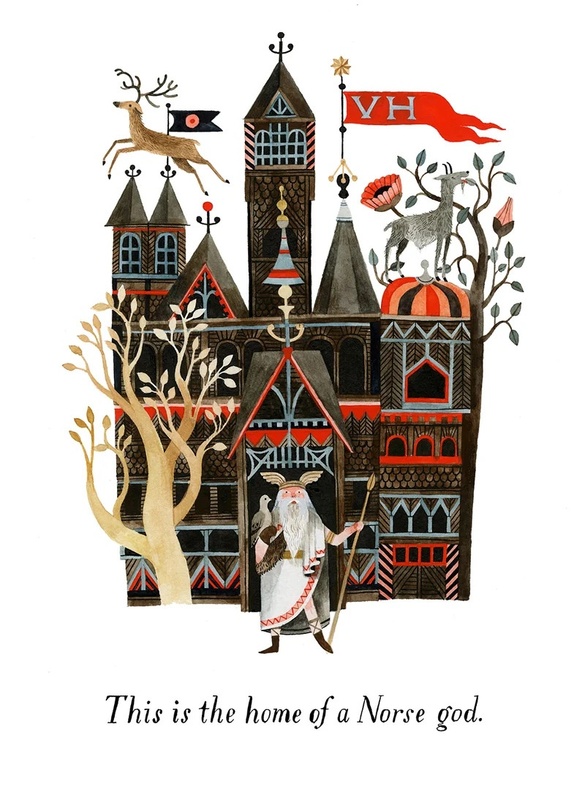
This illustration from Carson Ellis' book "Home" depicts an imaginary home for a hypothetical Norse god. It include Norse inspired motif such as a raven, spear, deer, goat and an architecture style reminiscent of Scandinavian buildings.
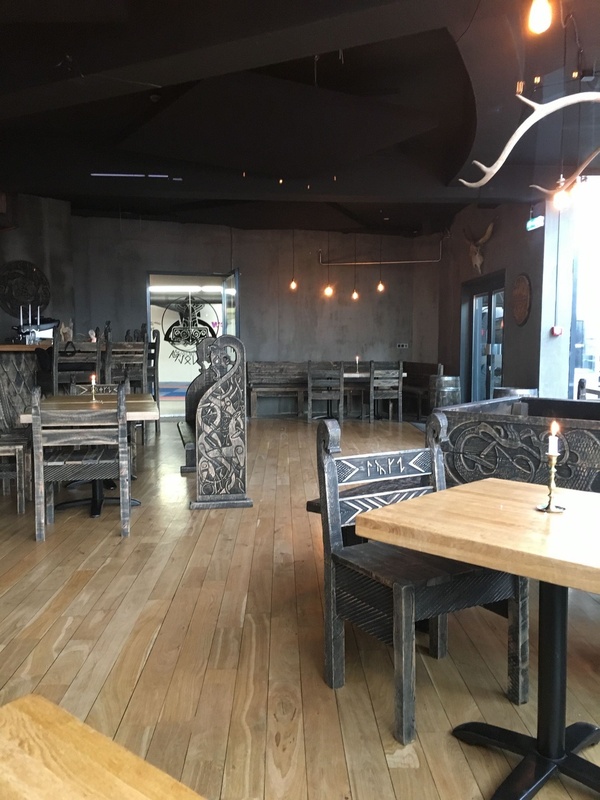
Interior decor inspired by Norse motifs: benche sport an Urnes style decoration, reindeer antlers hang on the wall, chairs are engraved with runes and the glassdoor has a decal of runes and Mjölnir on it.
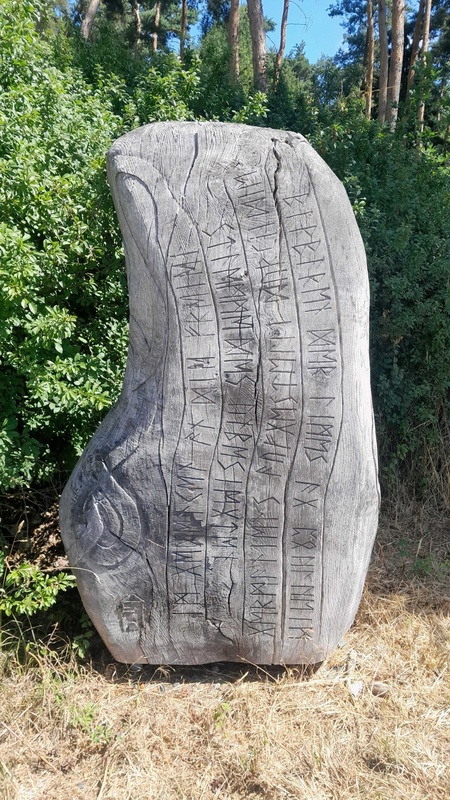
This wooden model of a runestone can be found on a wanderroute in Pohlheim. The inscription uses the elder futhark sequence to inscribe modern German, and it reads "Im Gedenken an die freien Stämme des unbeseiegten Germaniens aufgestellt durch die Barbaren der Limes AG Pohlheim" (In remembrance of the free tribes of the uconquered Germania, erected by the barbarians of the Limes AG Pohlheim).
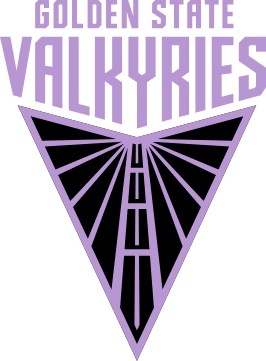
Logo of the WNBA team Golden State Valkyries, based in the San Francisco Bay Area. The logo can be read two ways: it depicts the Bay Bridge through the use of a pillar and cables, though the pillar doubles as a sword and the cables as wings for the Valkyries the team is named after.
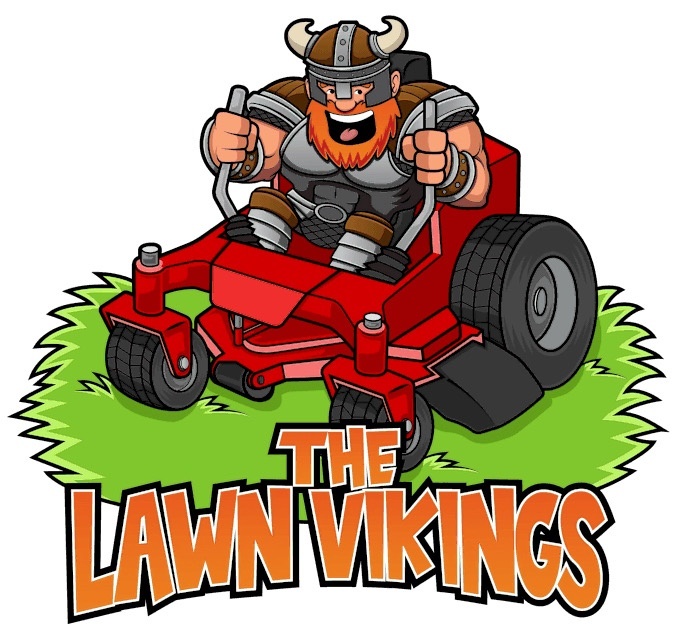
Logo for the landscaping company The Lawn Vikings, based in Central Ohio. The logo features a red-bearded viking with a horned helmet driving a red lawnmower.
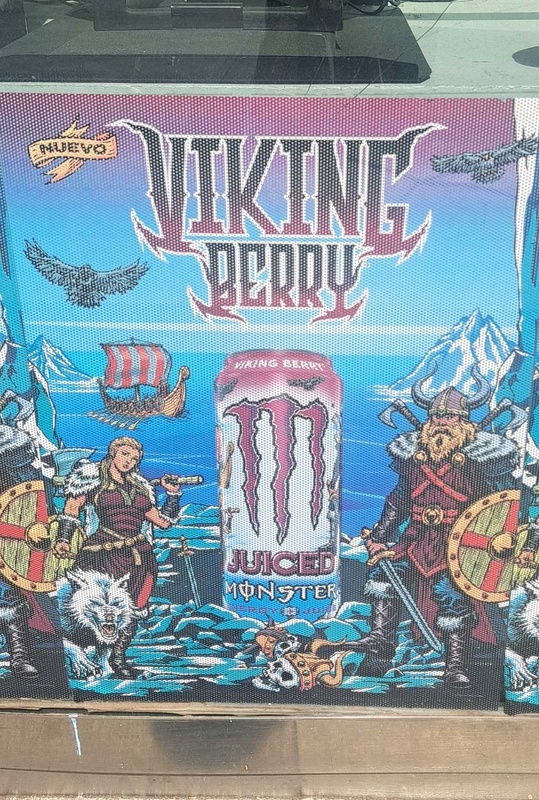
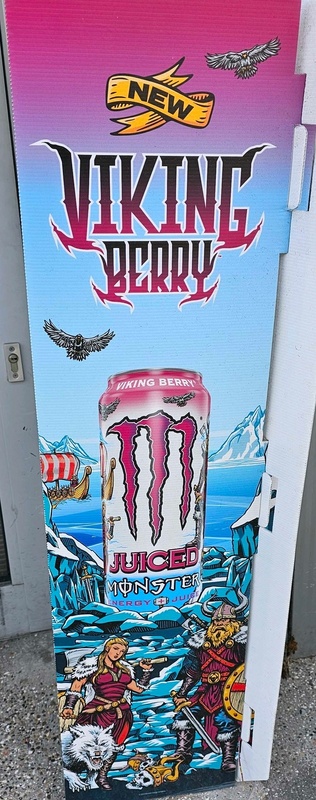
This advertisement for a new flavour of the Monster energy drink called Viking berry features several well-known motifs associated with Vikings: two blonde warriors, a man and a woman, in full combat gear stand on ice. A white wolf is by the woman's side, the can of Monster energy drink stands between the warriors and underneath it we see the skulls of two vikings in horned helmets. In the background, we see two ravens flying and a Viking ship complete with shield wall and red and white striped sail.
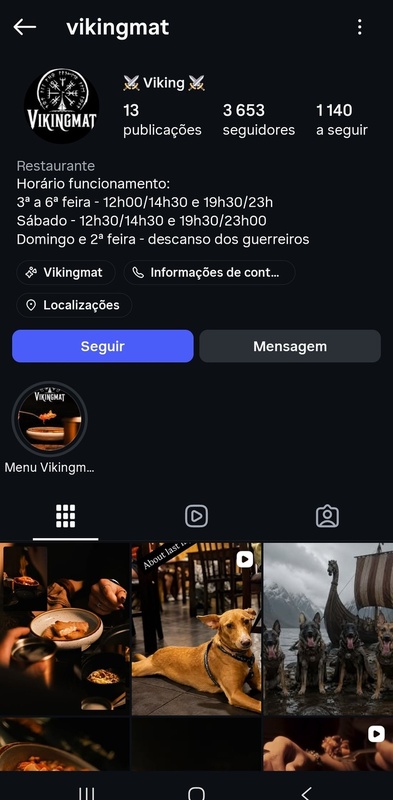
Screenshot of the instagram account Vikingmat, a Viking themed restaurant in Matosinhos, Portugal. The restaurant's logo sports runes, the vegvísir and a Viking ship.
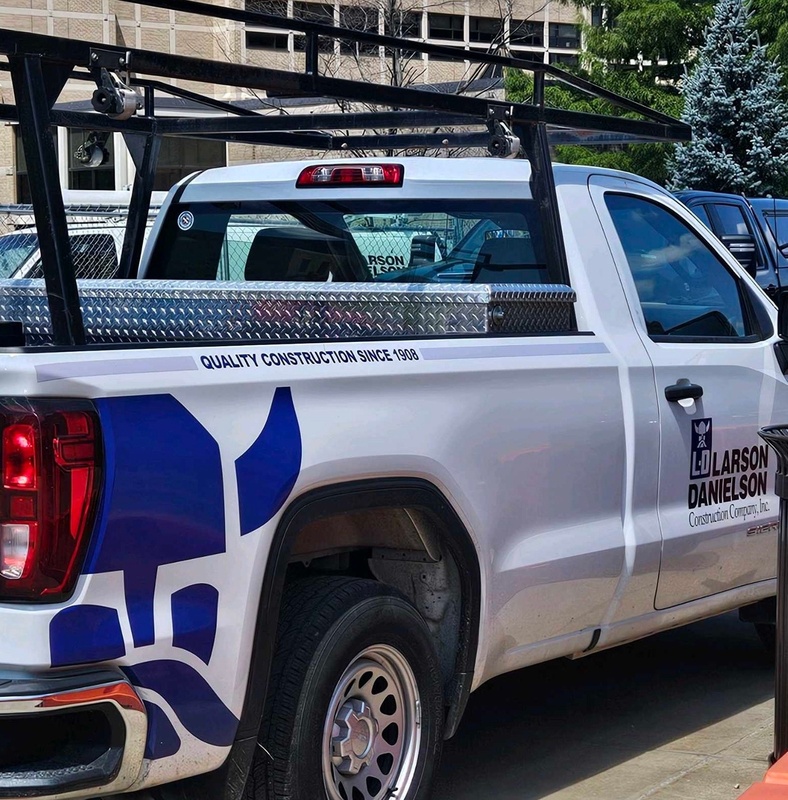
Branded car with the logo for the construction company Larson Danielson construction, located in Indiana, USA. The logo features a stylised Viking with mustache and horned helmet.
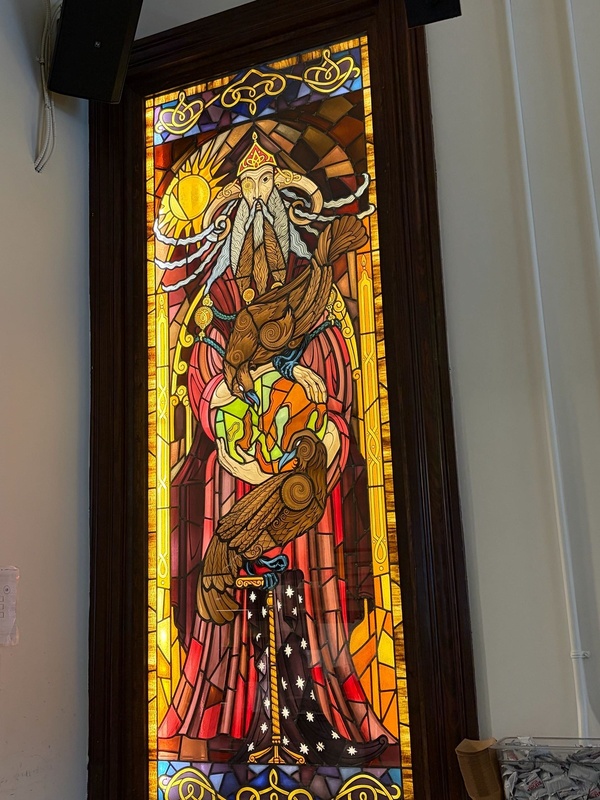
Backlit artwork depicting the Norse god Odin in the stained glass style. Odin is depicted with a horned helmet, holding the world in his hands, and with his two ravens Huginn and Muninn. The visible portion of the world features the Scandinavian regions, Great Britain and Ireland.
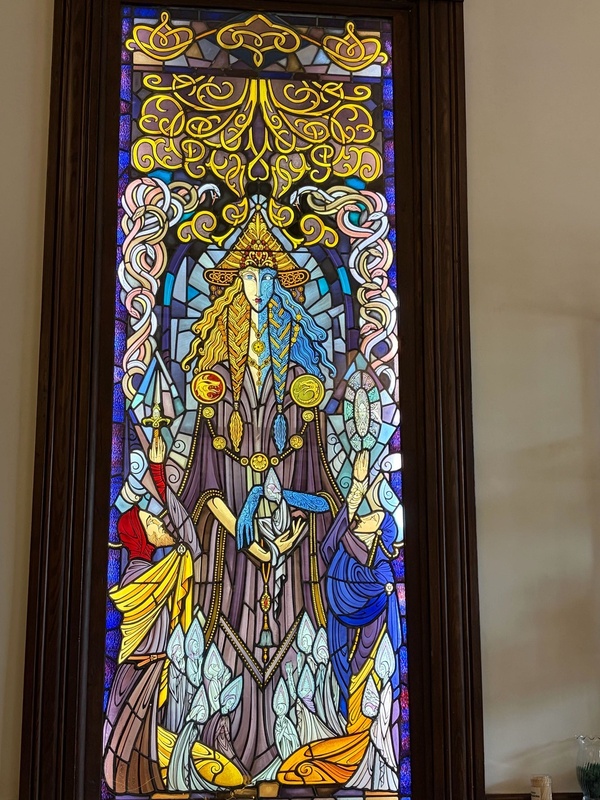
Backlit artwork depicting the Norse goddess Hel in the stained glass style. Hel is depicted as surrounded by souls and holding a soul in her hands, while a man and a woman kneel at her feet in prayer. The goddess is adorned with medallions of her brothers Fenrir and Jörmungandr.
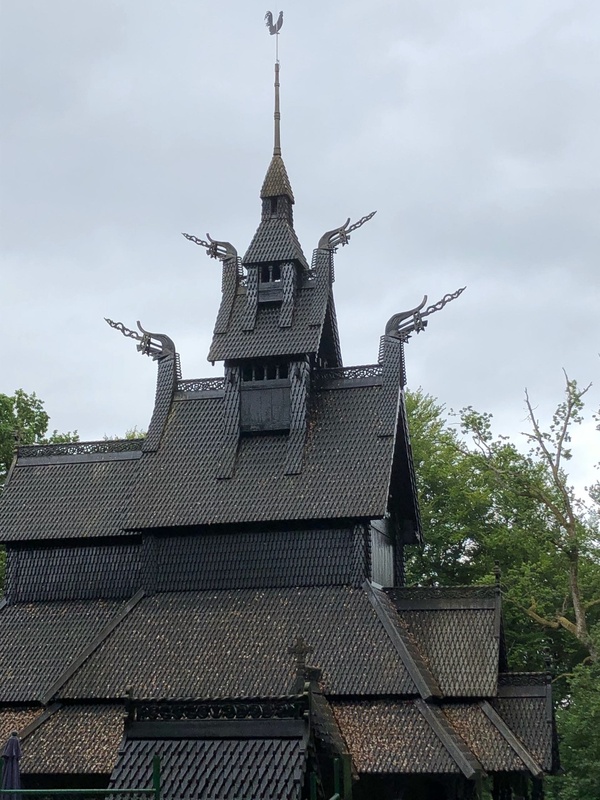
The roof of Fantoft Stavechurch in Bergen, Norway, which is based on Borgund Stavechurch. The stavechurch at Fantoft was infamously burned down in 1992 for which Varg Vikernes of Burzum was found guilty. Reconstruction started soon after the fire and took six years to complete, however the stavechurch was not rebuilt based on its original style, but rather on Borgund stavechurch.
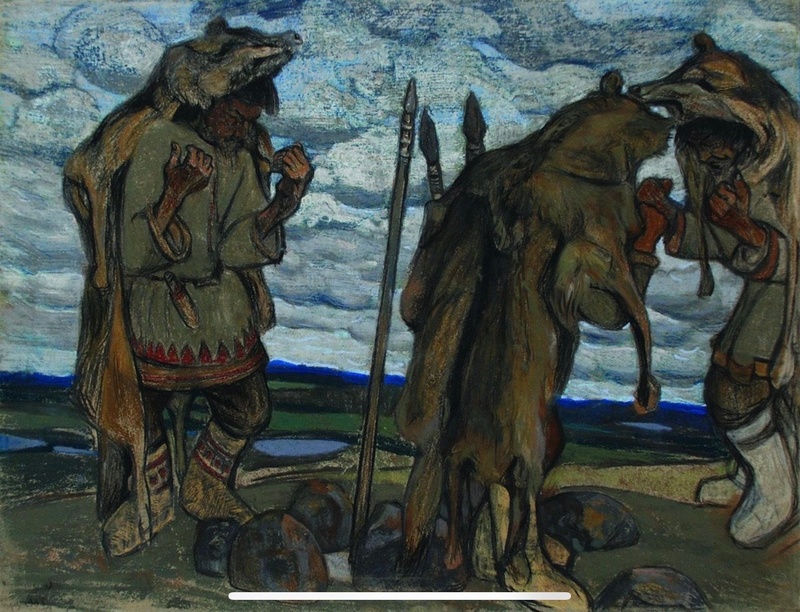
This Art Nouveau painting by Nicholas Roerich by the title "Sorcerers" (1905) depicts three male figures in animal pelts, with spears and shields on site. It has been speculated that it may be a portrayal of a specific type of berserkers known as ulfheðnar.
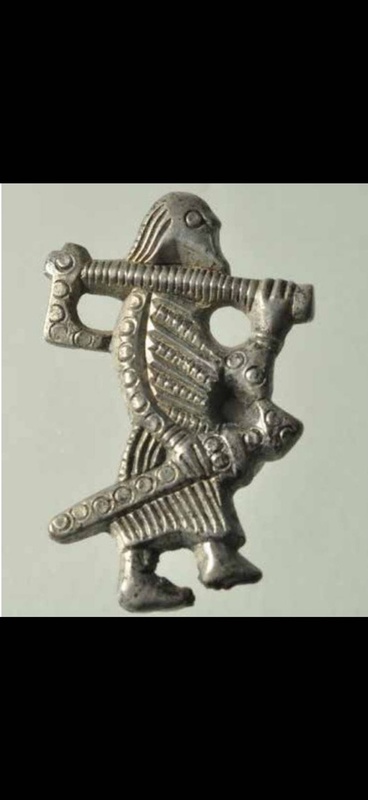
Replica of a silver pendant found in Klahammar, Södermanland, Sweden in 2016. The pendant depicts a walking man with a sword, and a long-shafted axe held over his shoulder.
The Glavendrup Runic Stone, dates back to 900-910 CE, on the island of Funen, Denmark. It contains the longest runic inscription (210 runic letters) ever found on a stone in Denmark.
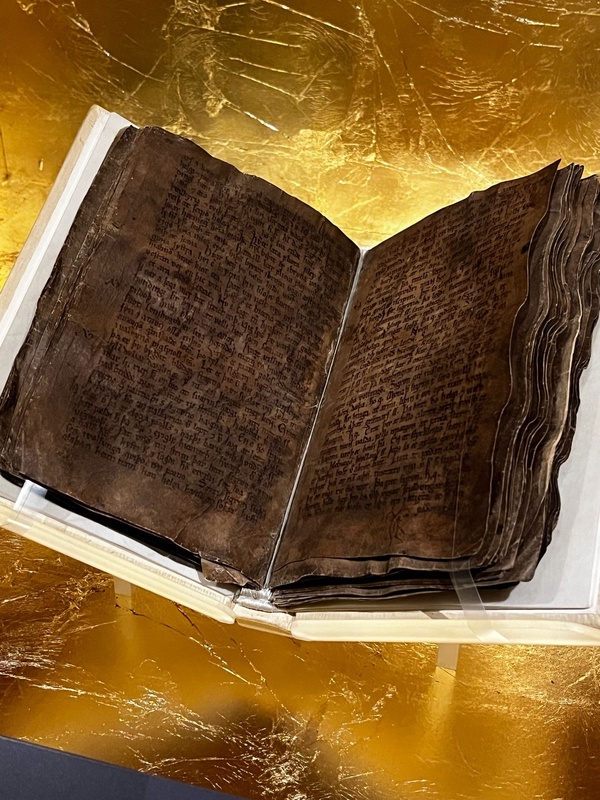
Photograph of Codex Regius, an Icelandic codex in which many Old Norse poems from the Poetic Edda are preserved. Photograph from the Arni Magnusson Institute
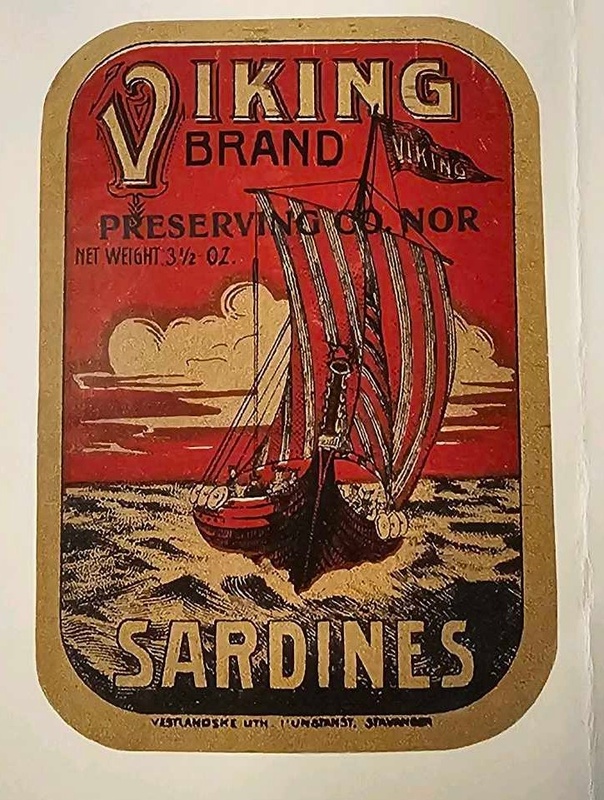
Viking Brand Sardine label from Stavanger, Norway.The label art features a traditional Viking ship sailing on the sea. Brand is no longer being produced
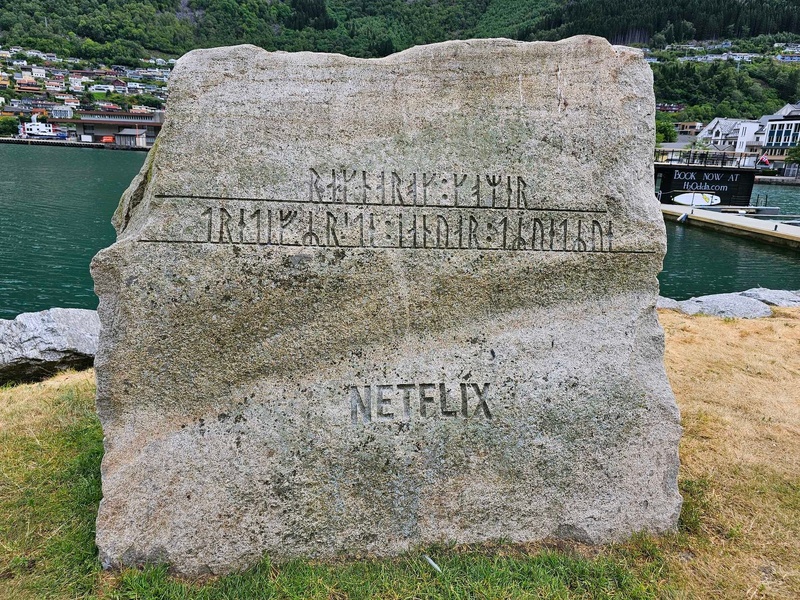
"Netflix-steinen" (Netflix Stone) in Odda, Norway, a nine-ton monument celebrating the town's role as a filming location for the series Ragnarok. The runes say "Ragnarok is coming on 31st of January 2020"
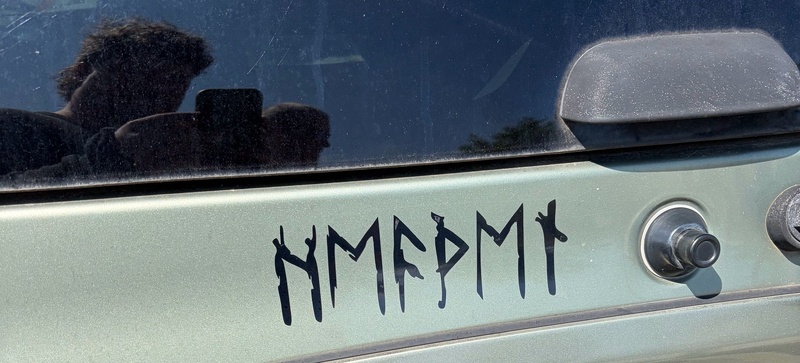
Sculpture of Harald Fairhair outside Langhuset Restaurant. The two lines written in the Elder Futhark runic alphabet say ᚹ ᛁ ᚲ ᛁ ᚾ ᚷ → W I K I N G and ᚹ Warrior (using mixed alphabet styling) → W A R R I O R
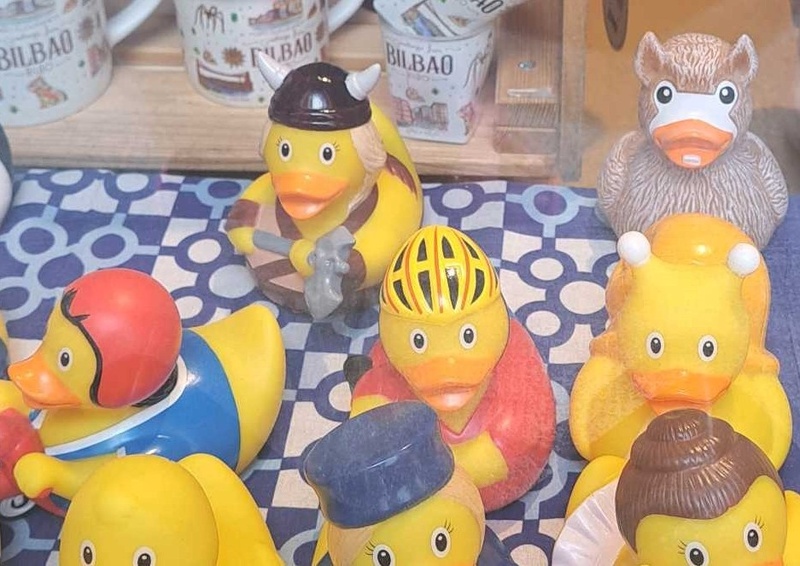
A display of novelty rubber ducks dressed in Viking-themed costumes, including horned helmets and Nordic-inspired outfits, alongside other character ducks.
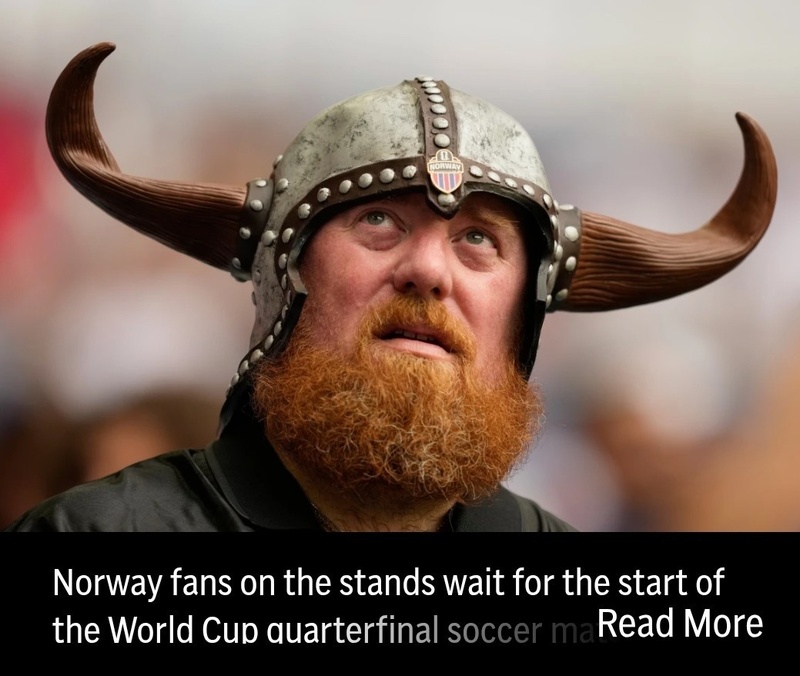
A Norway fan wearing a Viking-style helmet during a World Cup quarterfinal match against England in Miami Gardens on July 11, 2026. Distributed widely through news outlets.
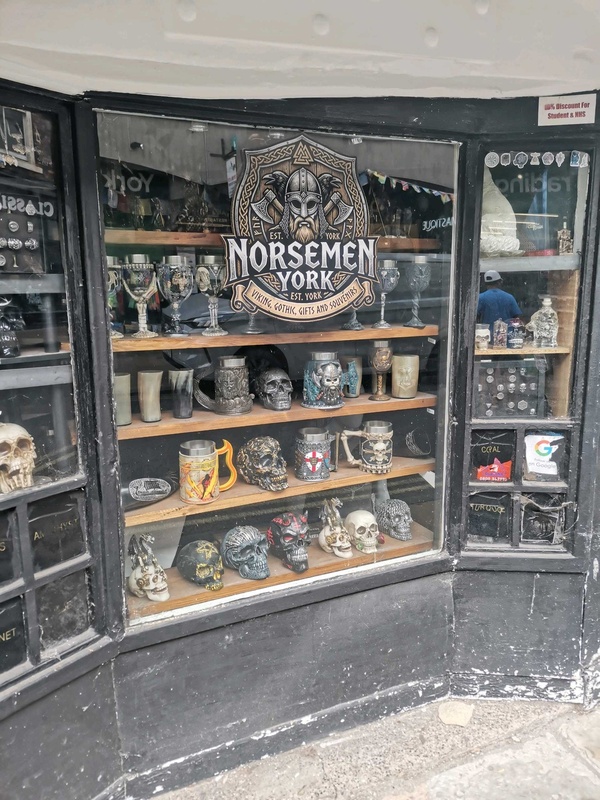
Norsemen York shop- specialising in avariety of Viking, Gothic, and Norse-themed merchandise, replica weapons, armor, jewelry, and various novelty souvenirs.
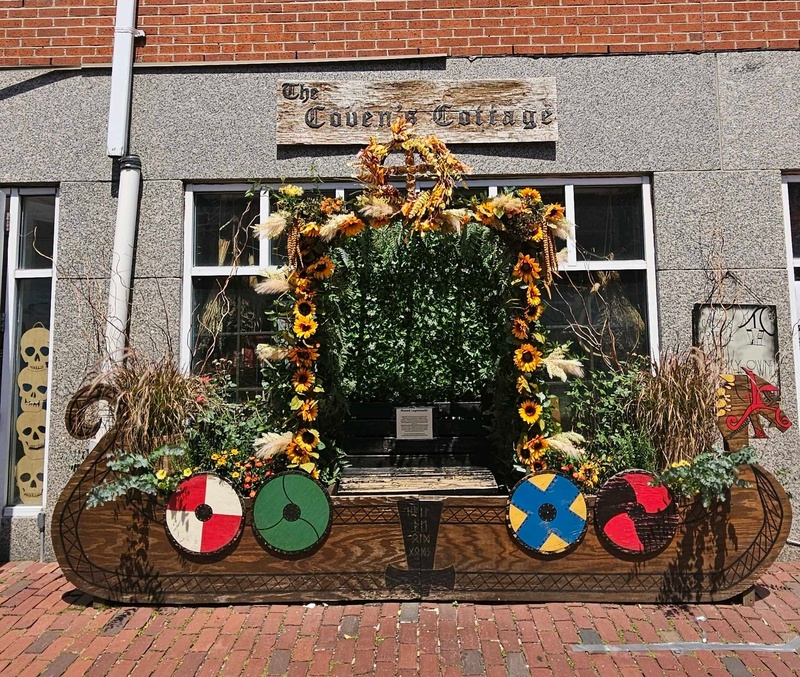
A decorative wooden Viking longship featuring painted round shields and dragon-head carvings, adorned with flowers outside a storefront in Salem, Massachusetts (USA).
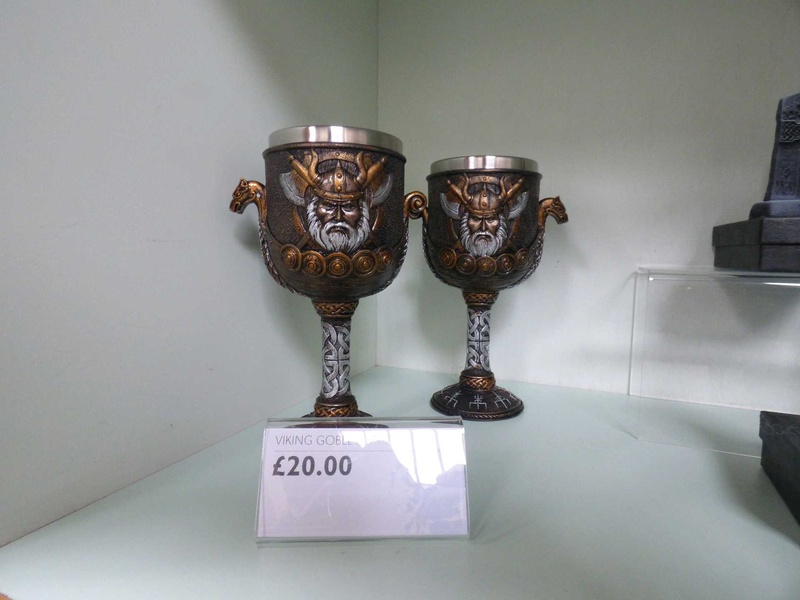
Decorative Viking-themed goblets featuring a bearded warrior in a horned helmet, dragon-head handles, and Norse-inspired knot-work on display for sale.
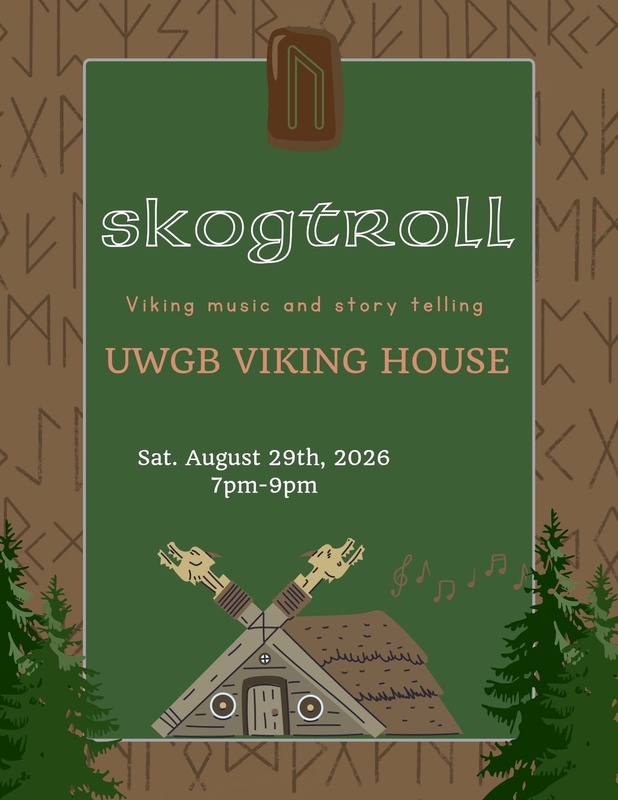
A promotional poster advertising a Viking-themed music and storytelling performance by Skogtroll at the UWGB Viking House, decorated with runic motifs and a Viking longhouse illustration.