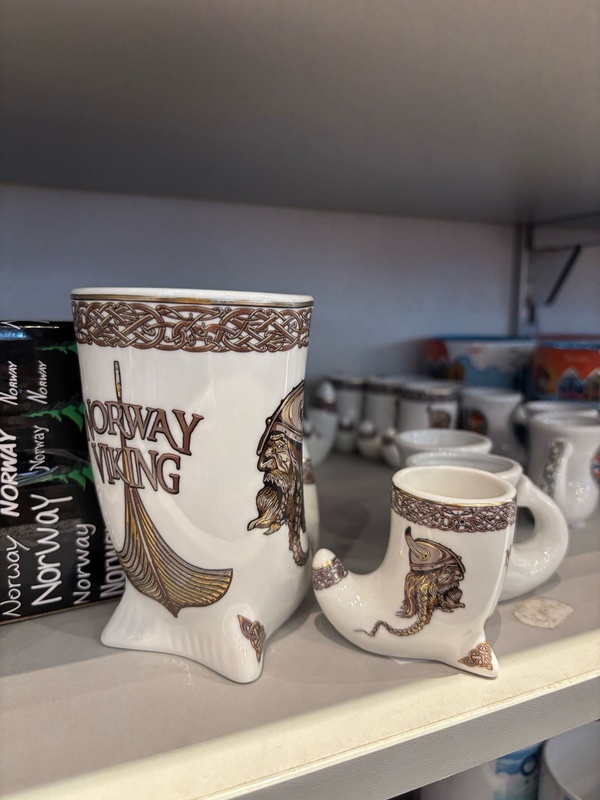
Norway-themed ceramic drinking vessels shaped like Viking drinking horns, decorated with stylised Viking warriors, a longship and interlaced knotwork inspired by Norse ornamentation.
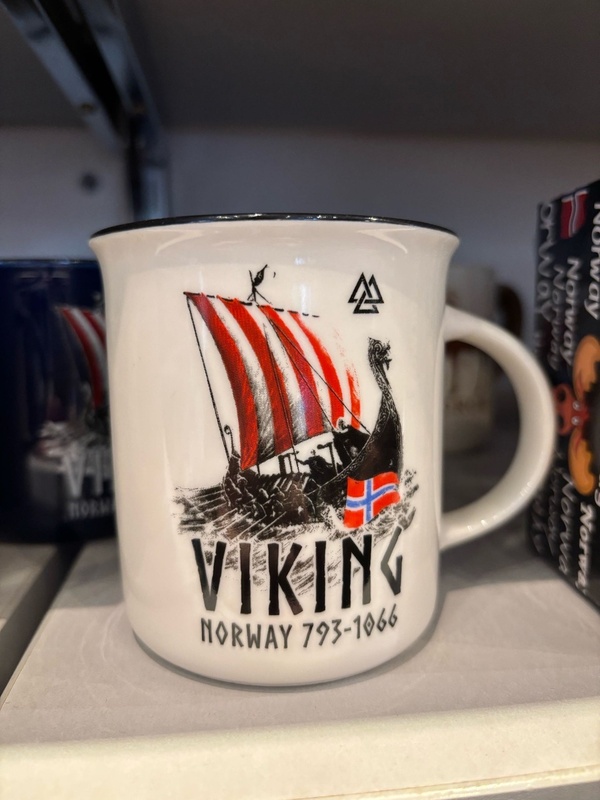
Norway-themed souvenir mug featuring a Viking longship with a red-and-white striped sail, the Norwegian flag and a Valknut symbol, alongside the dates 793–1066, commonly used to represent the Viking Age.
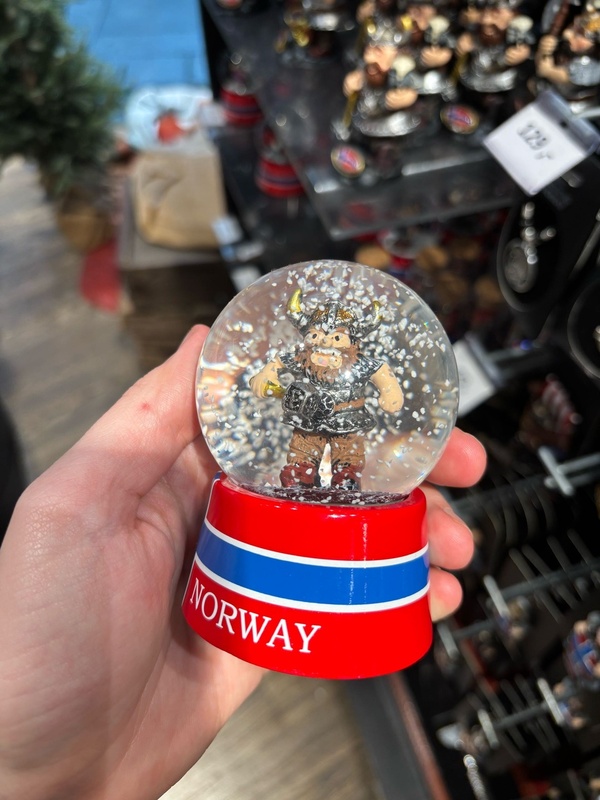
Norway-themed souvenir snow globe featuring a stylised Viking warrior wearing a horned helmet, sword and shield, set on a base decorated with the colours of the Norwegian flag.
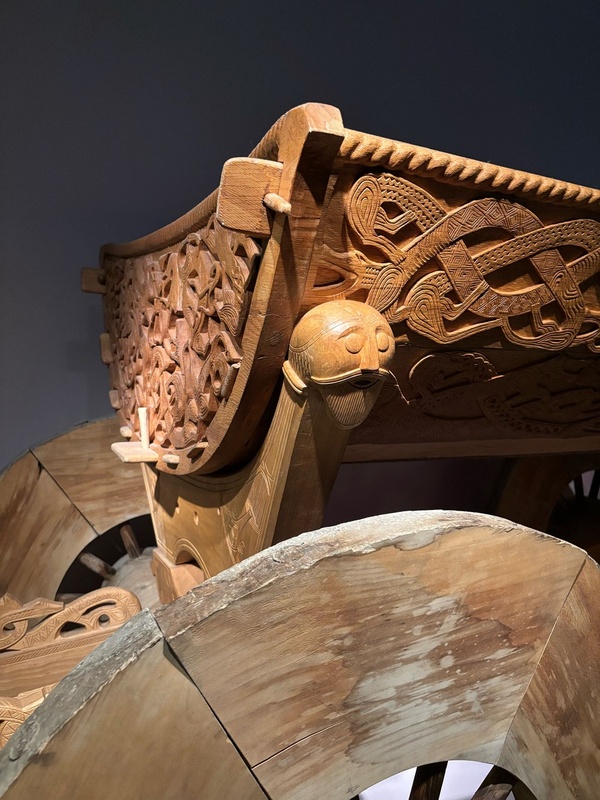
Richly carved wooden wagon from the Oseberg ship burial in Norway, dating to the ninth century and excavated in 1904. One of the best-preserved wagons from the Viking Age, it forms part of the collection of the Museum of the Viking Age in Oslo, due to reopen in November 2027.
Covering more than 2 square kilometres, the Gardberg (Gardbergfeltet) site in Vestre Slidre is estimated to contain around 1,000 burial mounds, although only 550 have been investigated. More than 900 finds from the site date from a period spanning the Roman Iron Age through to the Viking Age (c. 800 CE).
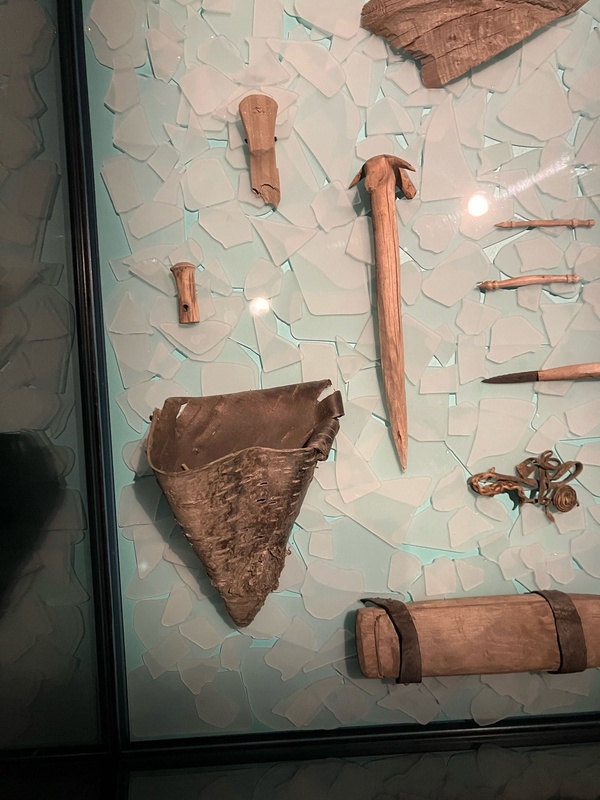
Viking-Age basketry, wooden objects and tools preserved in mountain ice around Lom, Norway, displayed in the 'Frozen in Time' glacial archaeology exhibition at Norsk Fjellsenter.
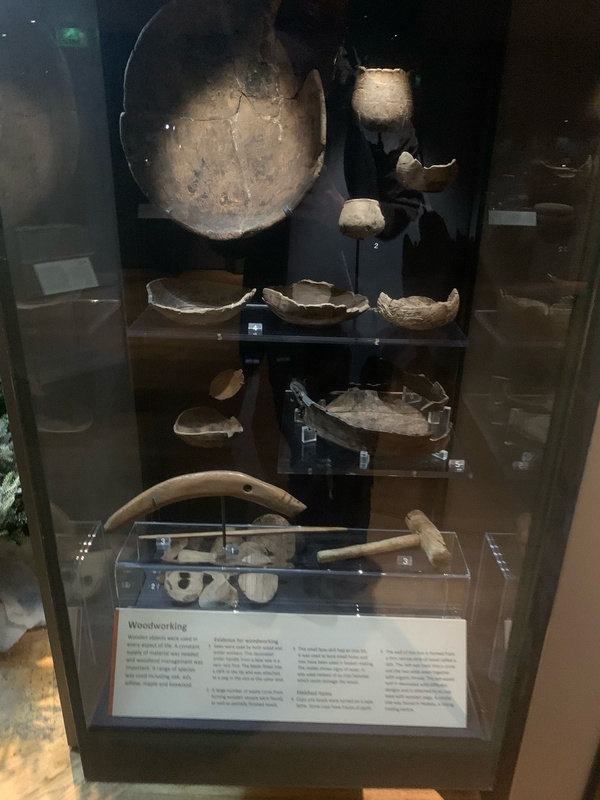
Viking-Age wooden bowls, vessels and woodworking tools recovered from excavations in York, illustrating the importance of woodworking in everyday life and the variety of woods and techniques used by Viking-Age craftspeople.
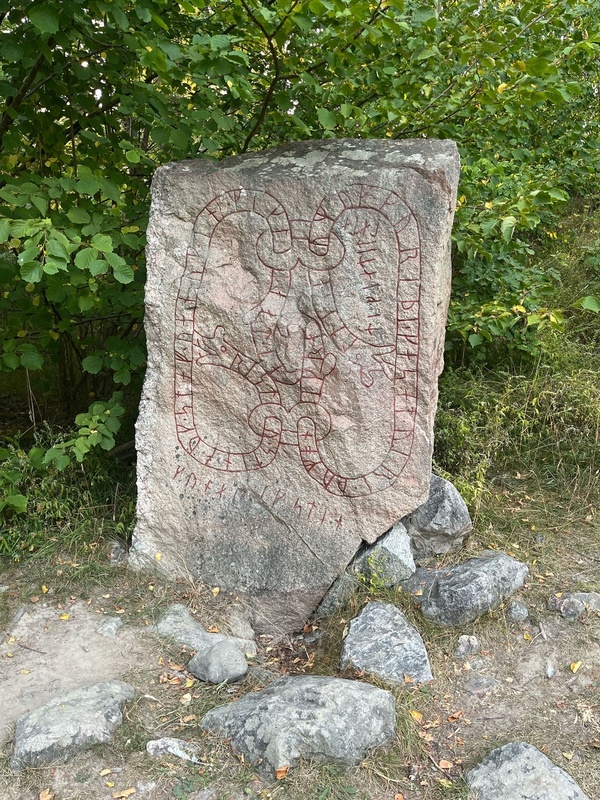
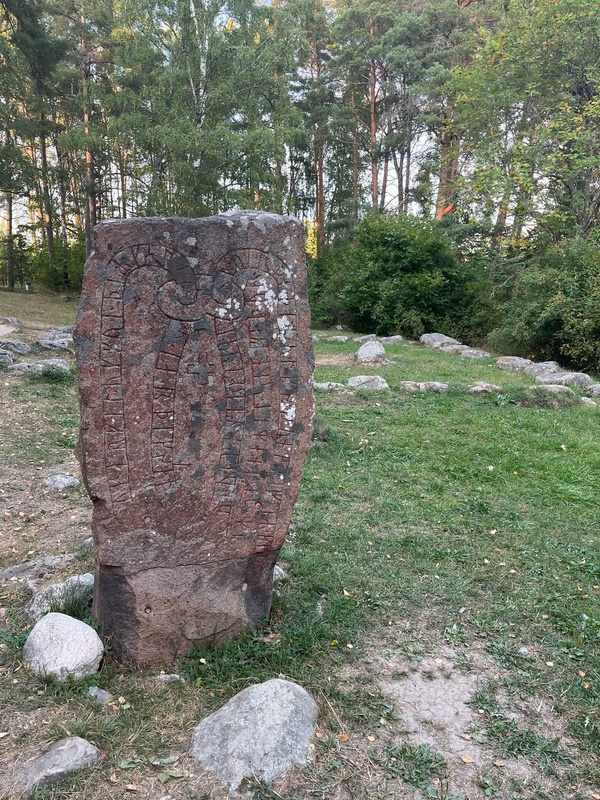
Runestone U226 found at Arkils Tingstad. Dating to approx. 1010-1050 CE. States the following in Swedish:
De reste stenar, och gjorde staven (?), också den höga, till hederstecken. även Gyrid älskade maken. Därför i tårar ska talas om honom. Gunnar högg stenen.
English translation:
They raised stones and made the staff (?), the tall one, too, into a memorial. Gyrid, too, loved her husband. Therefore, he shall be spoken of with tears. Gunnar carved the stone.
Forms a monument together with U 225.
Runestone U225 found at Arkils Tingstad ( . Dating to approx. 980–1015 AD. Features a cross and states the following in Swedish:
Ulvkel och Arnkel och Gye de gjorde här tingsplats... Ej skall en större minnesvård finnas än den Ulvs söner gjorde efter (honom), raska svenner, åt sin fader.
English translation:
Ulvkel and Arnkel and Gye made this to a thingwall. No greater memorial shall exist than the one Ulv’s sons—valiant youths—raised for their father.
Forms a monument together with U 226. Executed by the same carver who signed that stone: Gunnar.
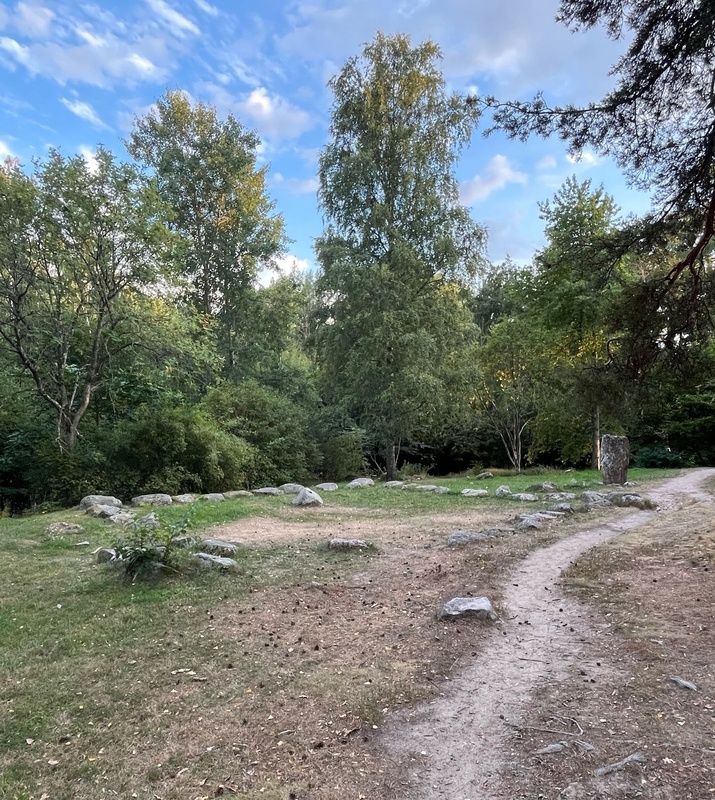
Arkils tingstad, a historical Viking Age assembly or meeting place (thing) located in Uppland, Sweden. It consists of a square stone setting with ten-meter sides and two of the Skålhamra family's runestones. The site was built by the Skålhamra clan in the 11th century to serve as a local judicial and political meeting place for the region. More information available here: https://www.vallentuna.se/runriket/runrikets-platser/arkils-tingstad/.
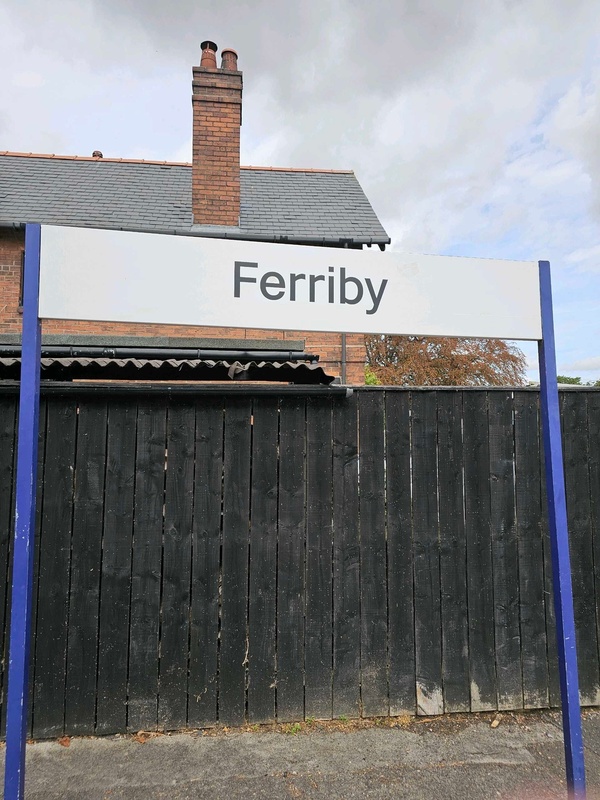
Ferriby comes from the Norse 'ferja bȳ', which means 'farm / homestead / settlement' by the ferry'. North and South Ferriby are on opposite banks of the Humber Estuary, an important raiding and trading route into Northern England.
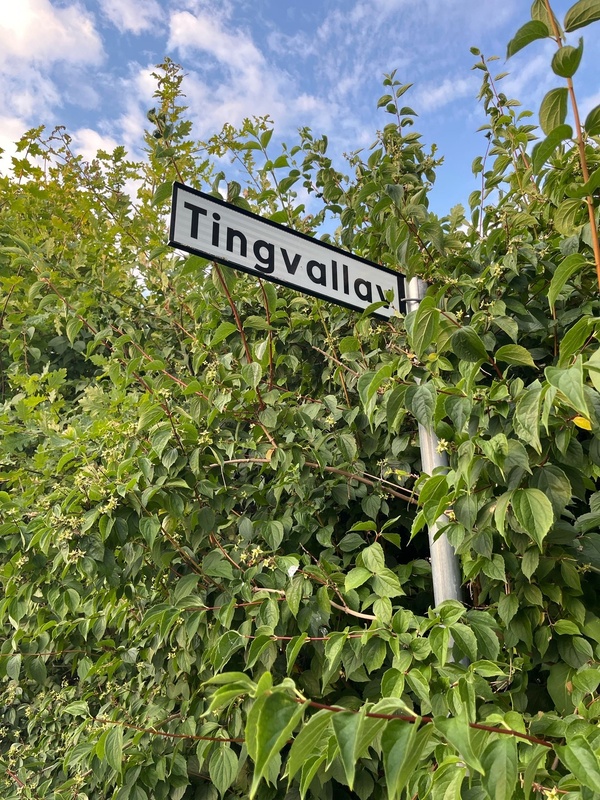
Tingvallav. street sign found in Sweden. Tingvalla translates to "the field of the assembly" or "meeting place of the thing" coming from Old Norse (þingvǫllr).
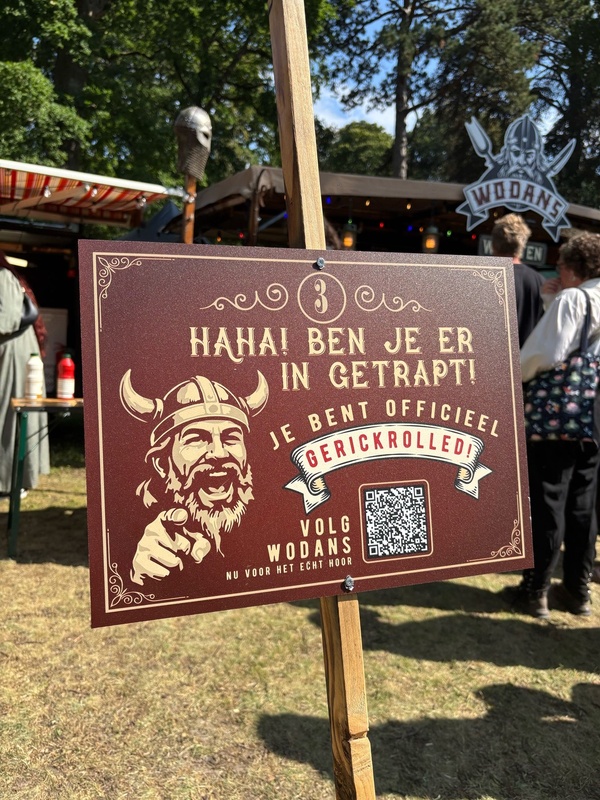
The sign features a humorous Dutch message that translates to: "Haha! You fell for it! You've officially been Rickrolled! Follow Wodans for real now."The Joke ("Gerickrolled") uses a Viking illustration paired with a playful spin on the famous internet prank ("Rickrolling"). This sign however is instead a promotional sign by Wodans (a Viking-themed food truck) and when scaning the QR code you are direct to their Facebook page (https://www.facebook.com/wodansvoedsel/).