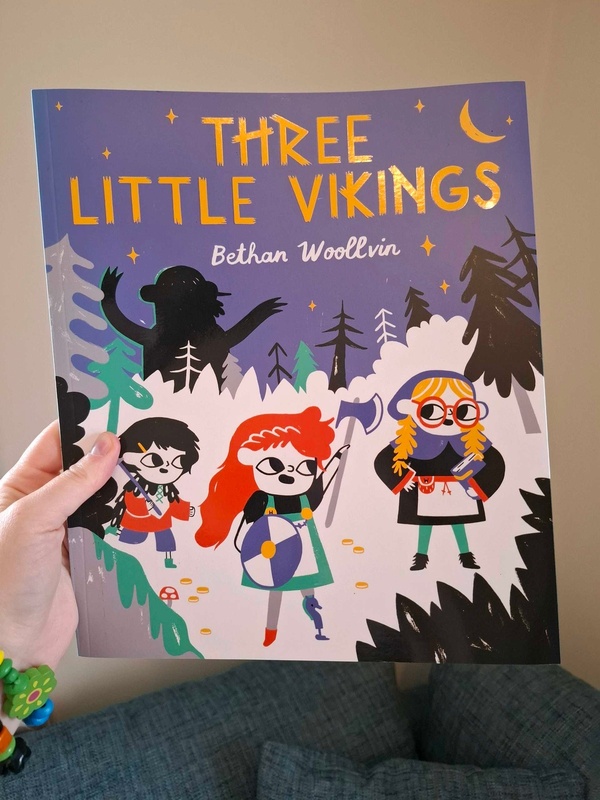
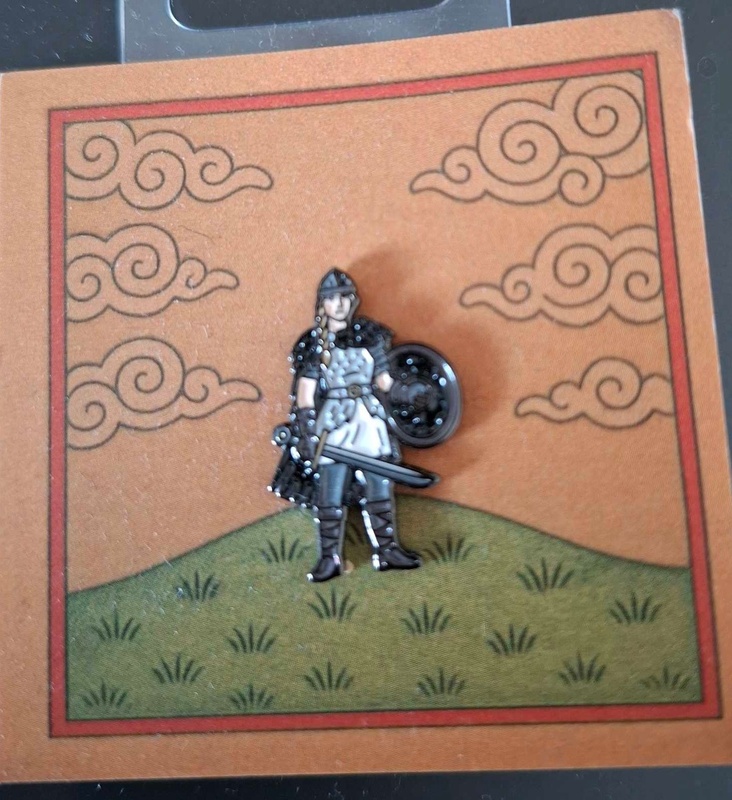
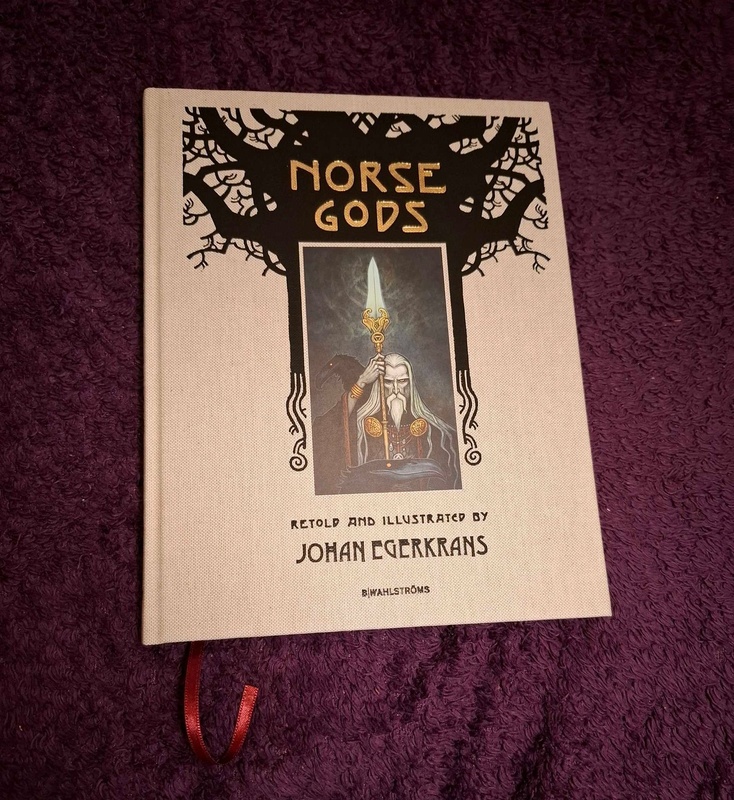
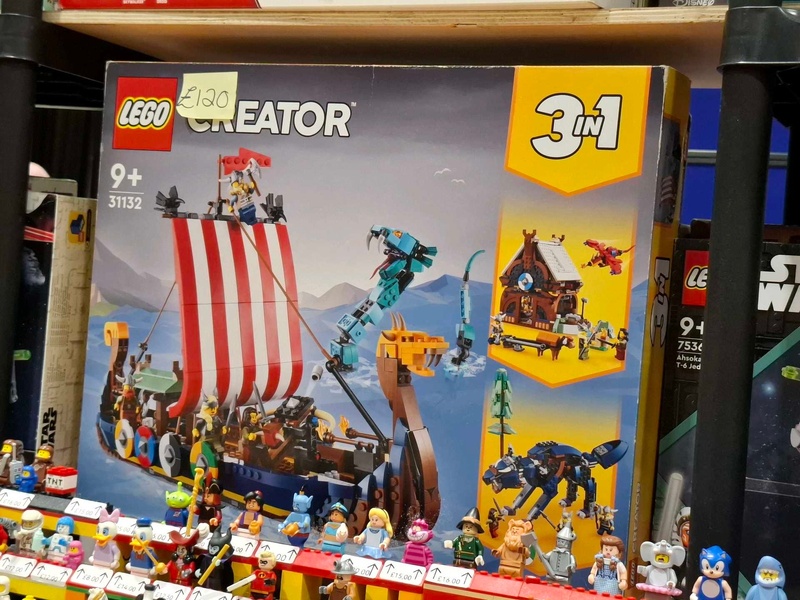
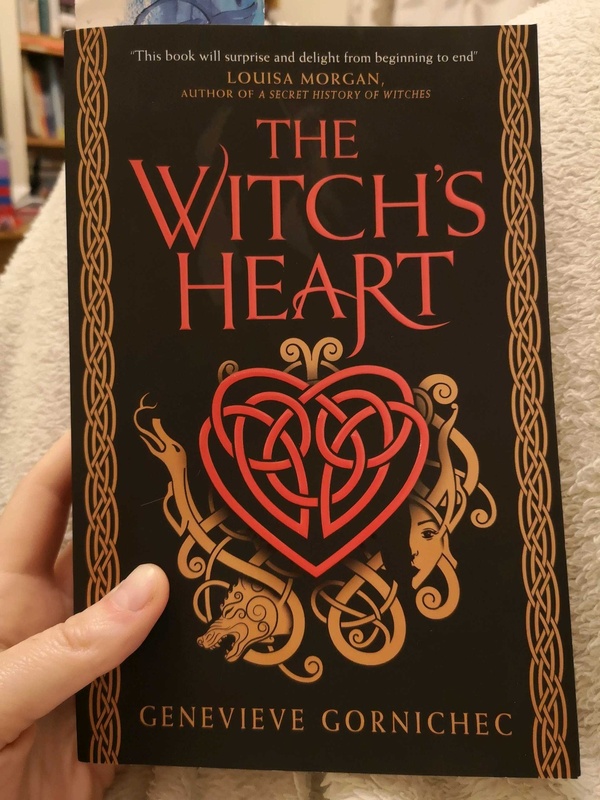
Three Little Vikings is a children’s picture book written and illustrated by Bethan Woollvin. It follows three young Viking girls, Ebba, Helga and Wren, who investigate mysterious disturbances in their village. Discovering that a troll is responsible, they work together to protect their community. The book combines Viking imagery and Scandinavian folklore with contemporary themes.
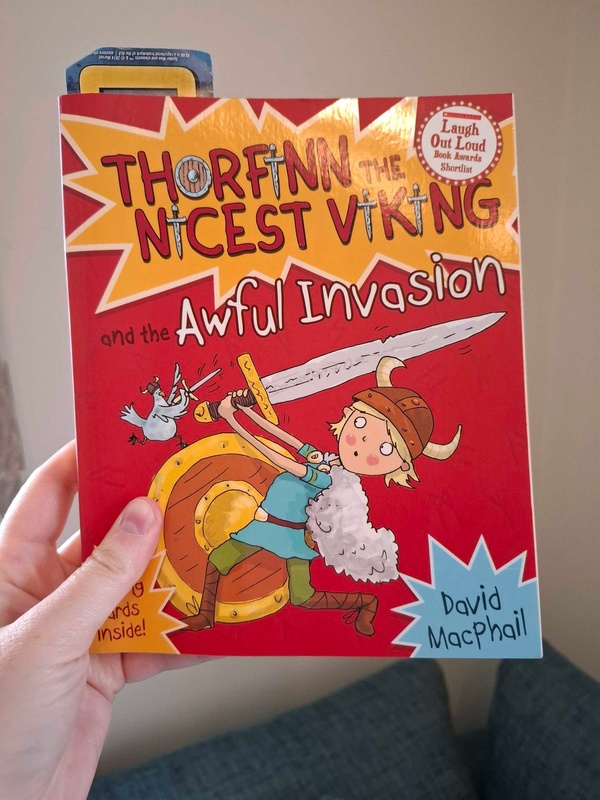
Humorous children’s novel about a gentle Viking boy sent on a raiding expedition to Scotland. Thorfinn is the son of Harald the Skull-Splitter, a fearsome Viking chief. Determined to toughen him up, Harald sends Thorfinn on a raiding expedition to Scotland, hoping that he will finally earn a suitably terrifying Viking nickname.
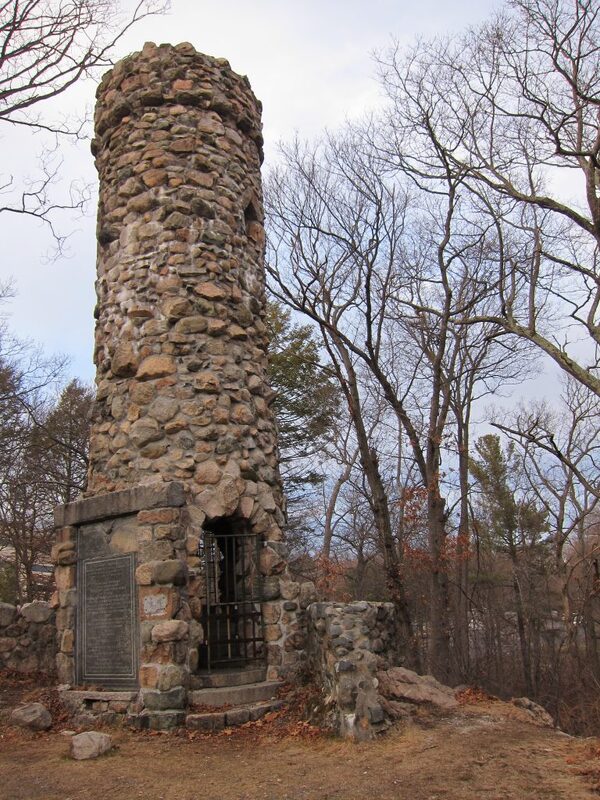
A stone tower erected by Eben Norton Horsford in 1889 in Weston, Massachussetts, allegedly commemorating Leif Erikson's landfall and subsequent settlement of Vinland. Horsford had no proof to substantiate any of his claims, among which was the belief that Norumbega was named after Norway. The plaque on the tower reads:
A.D. 1000 A.D. 1889
NORUMBEGA
CITY·COUNTRY·FORT·RIVER
NORUMBEGA = NOR MBEGA
INDIAN UTTERANGE OF NORBEGA THE ANCIENT FORM
OF NORVEGA·NORWAY·TO WHICH THE
REGION OF VINLAND WAS SUBJECT
CITY
AT, AND NEAR WATERTOWN
WHERE REMAIN TO-DAY
DOCKS·WHARVES·WALLS·DAMS·BASINS·
COUNTRY
EXTENDING FROM RHODE ISLAND TO THE ST. LAWRENCE
FIRST SEEN BY BJARNI HERJULFSON 985 A.D.
LANDFALL OF LEIF ERIKSON ON CAPE COD 1000 A.D.
NORSE CANALS·DAMS·WALLS·PAVEMENTS·
FORTS·TERRACED PLACES OF ASSEMBLY REMAIN TO-DAY
FORT
AT BASE OF TOWER AND REGION ABOUT
WAS OCCUPIED BY THE BRETON FRENCH IN THE
15TH 16TH AND 17TH CENTURIES
RIVER
THE CHARLES
DISCOVERED BY ··············
LEIF ERIKSON·1000 A.D.
EXPLORED BY ··············
THORWALD LEIF’S BROTHER·1003 A.D.
COLONIZED BY ··············
THORFINN KARLSEFNI·1007 A.D.
FIRST BISHOP ··············
ERIK GNUPSON·1121 A.D.
INDUSTRIES FOR 350 YEARS
MASUR·WOOD [BURRS]·FISH·FURS·AGRICULTURE·
LATEST NORSE SHIP RETURNED TO ICELAND IN 1347.
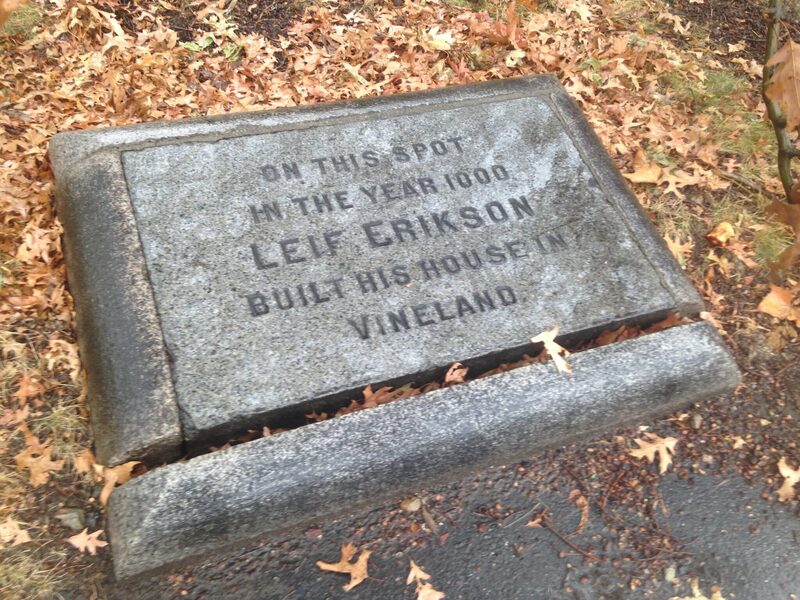
A stone plaque commemorating the alleged location of Leif Erikson's house in Cambridge, Massachussetts. The plaque reads: “On this spot in the year 1000 Leif Erikson built his house in Vineland.”
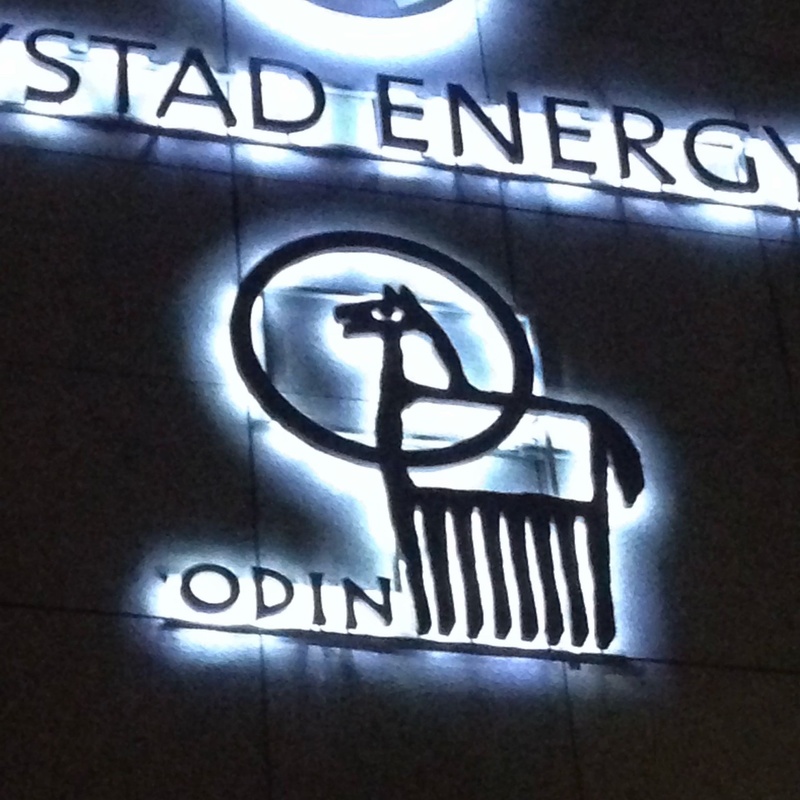
Contributor: Illuminated 'Odin' logo depicting the Norse god's eight-legged horse Sleipnir on the side of a building in Oslo. Apparently connected to the state energy company. 24 October 2014.
[The logo is of ODIN, a Norwegian fund manager headquartered in Oslo.]
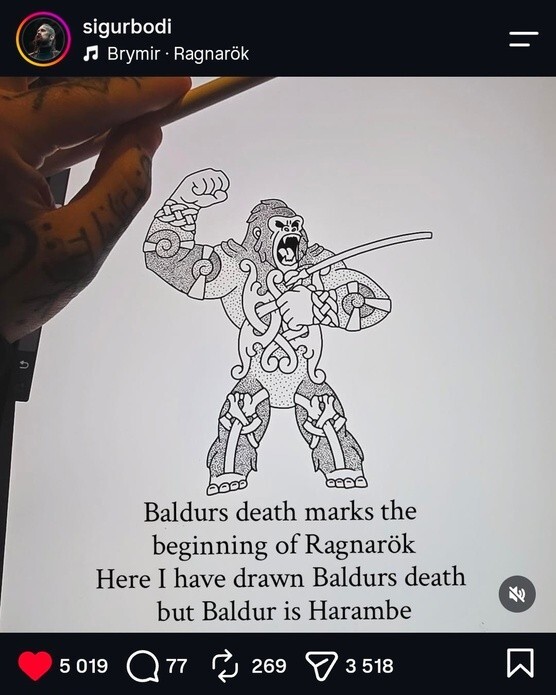
Balðr design offered by tattoo artist Sigurboði Grétarson (Reykjavík) on his instagram account (@sigurbodi). Here, Balðr is humorously styled after Harambe, the internet-famous western lowland gorilla who was shot in May 2016 after attacking a child at the Cincinnati Zoo (USA). The artist references a popular internet conspiracy theory according to which the death of Harambe heralds the end of the modern world, according to events that unfolded afterwards. It is unclear how serious this theory is taken by those who participate in the meme-culture surrounding Harambe, such as the White House of the USA (who released an elegiac statement on the 10th year anniversary of Harambe's death).
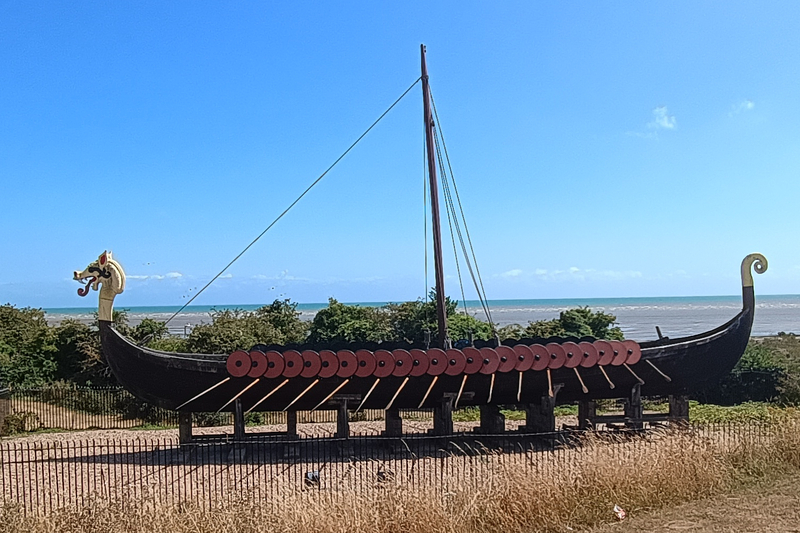
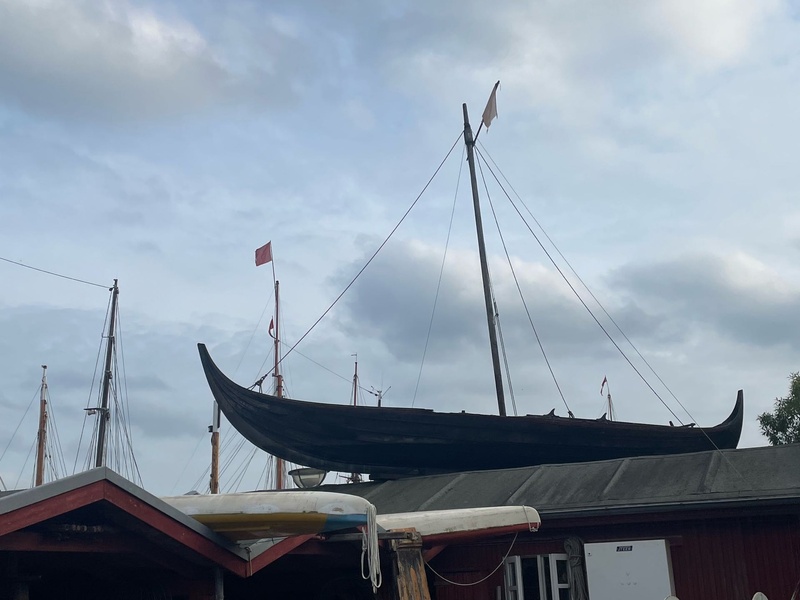
A replica Viking longship built and sailed from Denmark to the nearby Viking Bay (Broadstairs, Kent) in 1949 to commemorate the 1500th arrival of the two Saxon chieftains Hengist and Horsa to Ebbsfleet.
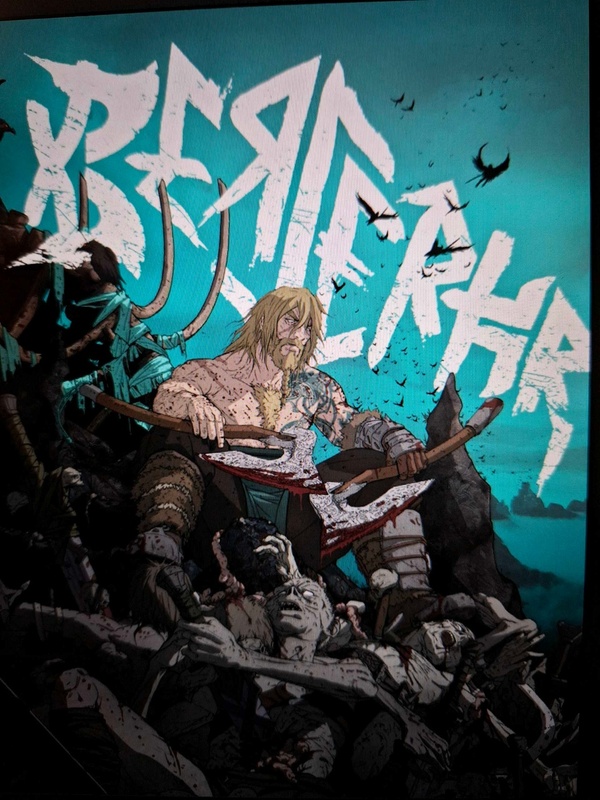
Berserkr is a role play game setting created by Slightly Reckless Games and uses Mork Borg table top role play rules. It was successfully funded on Kickstarter and is strongly influenced by Norse mythology.
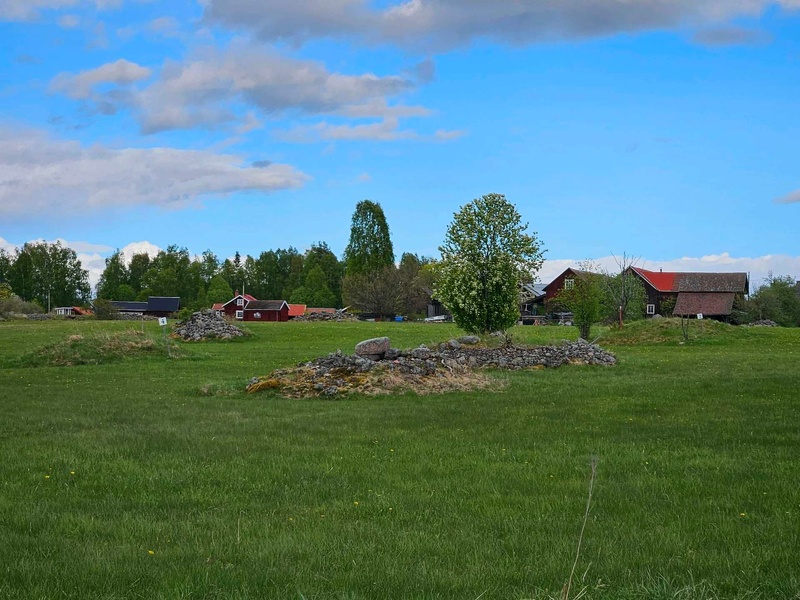
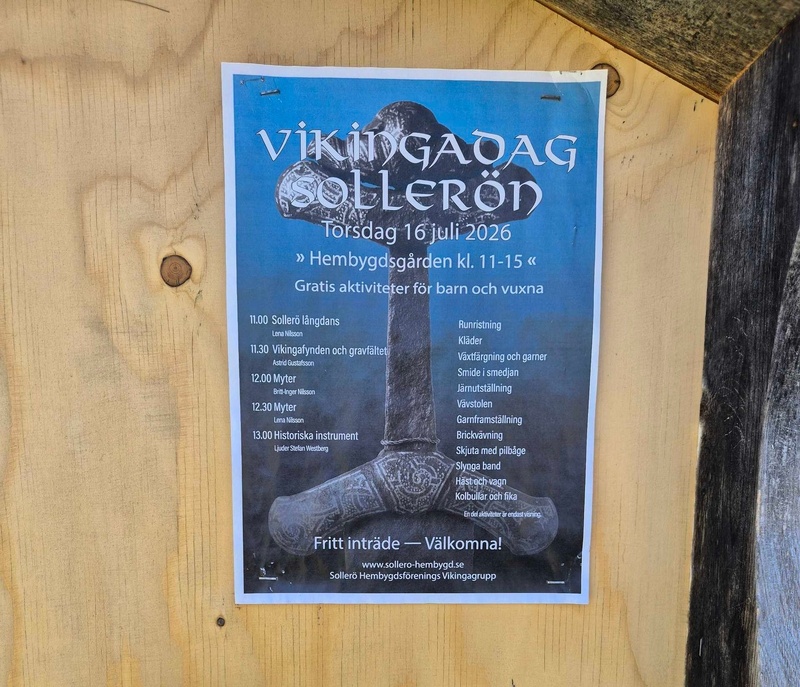
Advertisement for Sollerön Viking Day, held 16 July 2026 on the island of Sollerön, Sweden, by the Bengtsarv grave field site. The poster features a Viking sword.
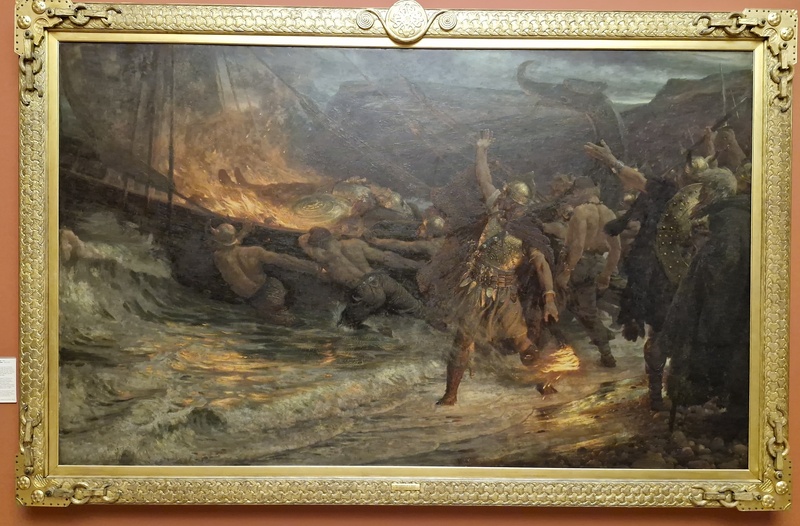
'The Funeral of a Viking' by Frank Dicksee (1893) in Manchester Art Gallery. Shows a Viking being set ablaze on a ship and pushed out to sea. The gallery text says that the image may have been inspired by the Old English poem 'Beowulf'.
There is also a note about the frame: 'decorated with a running chain pattern which is one of the features of the Viking Borre style of ornament in the 9th and 10th centuries'
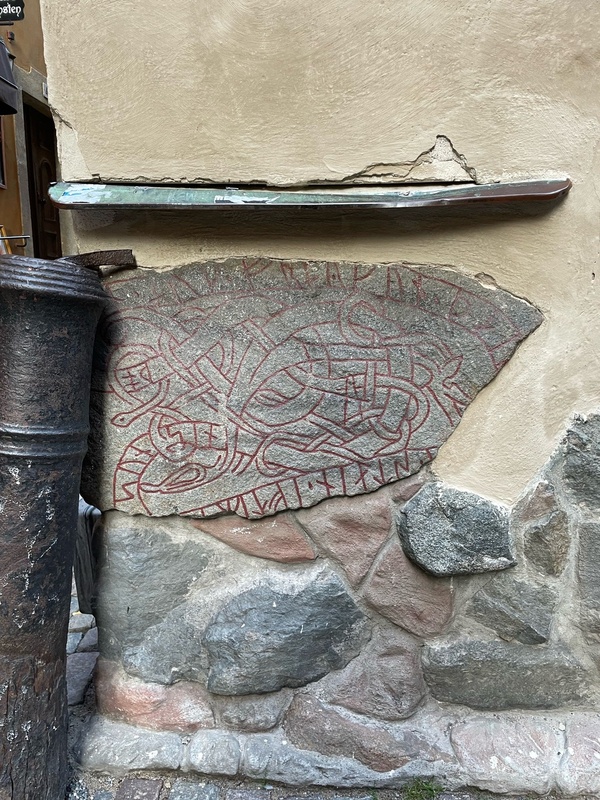
Runestone in Gamla Stan, Stockholm. This runestone is embedded in the wall of a building in Sweden, it features an outer band with an inscription and the inside is decorated with a snake motif.
The inscription reads:
Rune text transliteration: þor--ain · auk · fraykun ' þau …- · stain ' iftiʀ -… sun sin
Old Norse: Þor[st]einn ok Freygunnr þau … stein eptir …, son sinn.
English: Þorsteinn and Freygunnr, they … stone in memory of … their son.
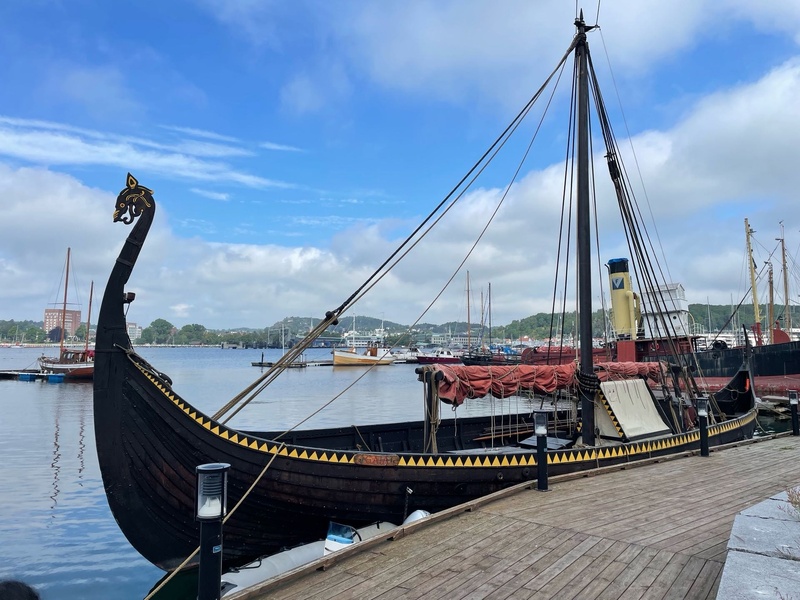
The Gaïa ship was built in the winter 1989-1990 by Jacob Bjørkedal in Norway as replica of the Gokstad ship. It was initially called Hav-Cella, but the then President of Iceland, Vigdís Finnbogadóttir, renamed it Gaïa when the ship made port in Iceland. This was during its maiden voyage to North America to mark the 1000th anniversary of Leif Eriksson's founding of the Norse settlement of Vinland.
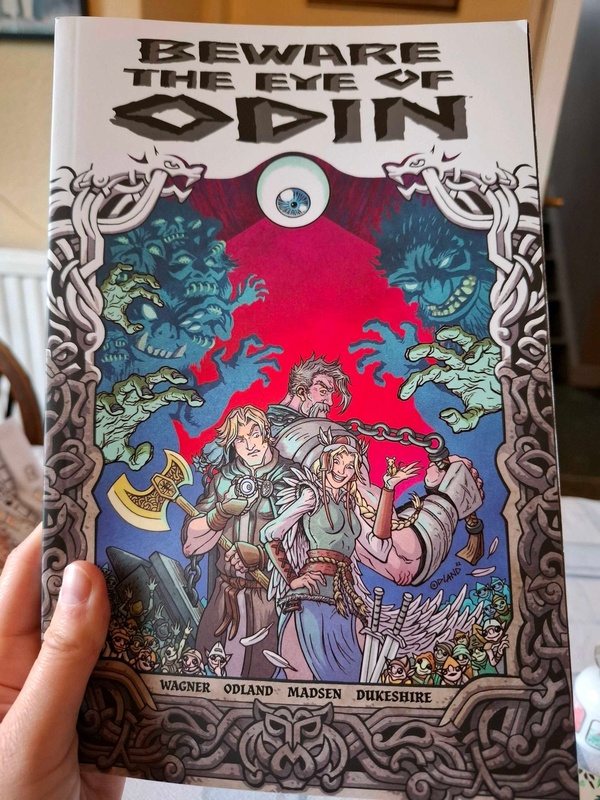
The first in a series of four volumes under the same title. Written by Doug Wagner, Illustrated by Tim Odland and Michelle Madsen. The cover art features two male Viking warriors and a female warrior convinced she is a Valkyrie, they are holding weapons and are surrounded by supernatural beings. The eponymous eye of Odin is looking down at them from the top of the page. The cover is framed by Norse inspired stonework.
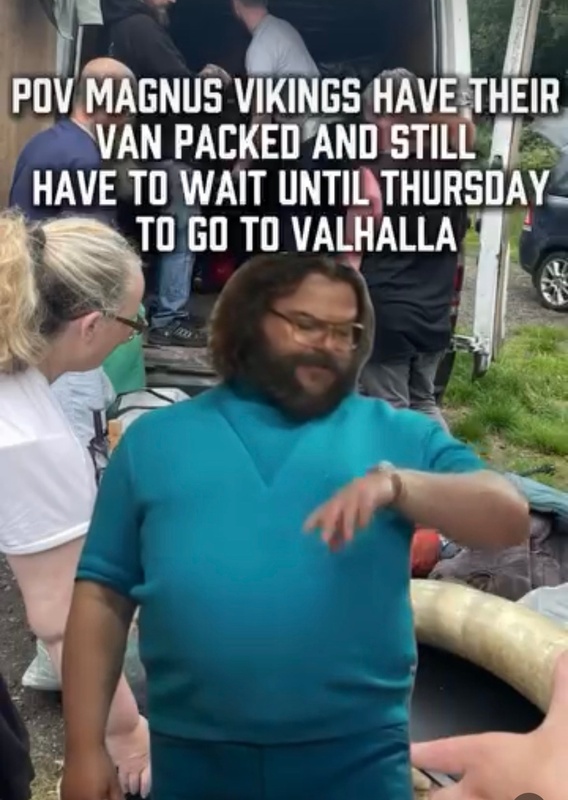
The image shows a humorous meme featuring a person wearing a blue shirt and glasses standing in front of a packed van with overlay text about waiting to go to Valhalla.
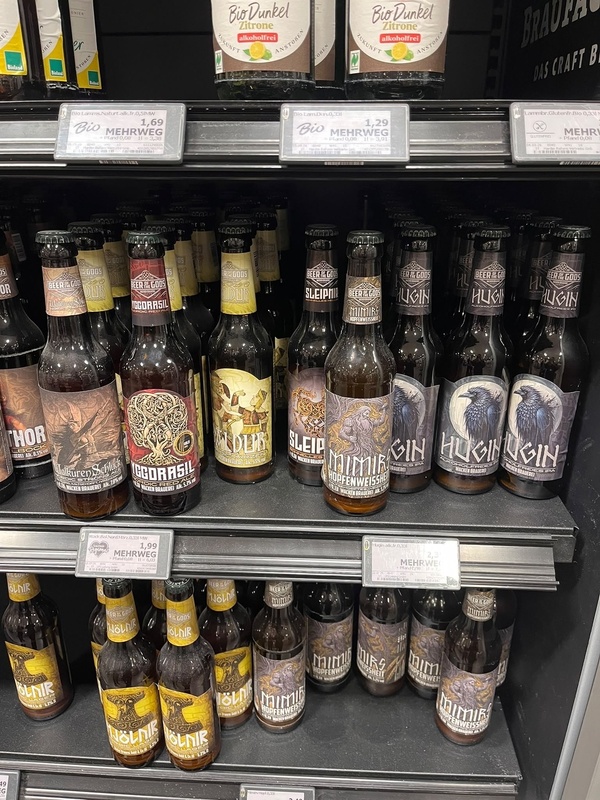
A store shelf displaying bottles of Wacken Brauerei "Beer of the Gods" craft beers from Germany. Hugin, Mumin, Yggdrasil, Mjölnir, Walkürenschluck (Valkyries Gulp) and Thor are some shown here.
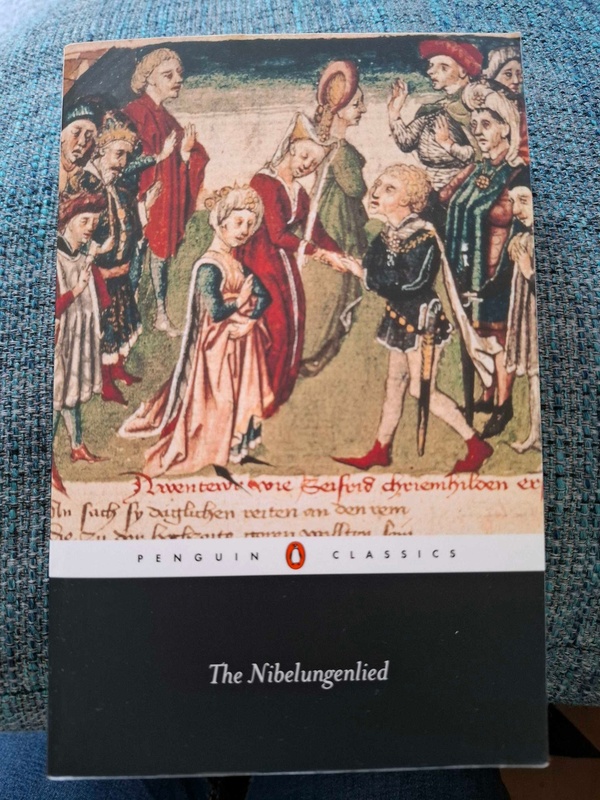
Penguin Classics paperback edition of The Nibelungenlied: Prose Translation translated by A.T. Hatto. Written around 1200 in Middle High German, The Nibelungenlied is a heroic epic closely linked to Old Norse mythology. It tells a version of the same pan-Germanic legend preserved in the Icelandic Poetic Edda and Völsunga saga. In the Norse tradition, the hero Siegfried is known as Sigurd, while Kriemhild appears as Gudrun.
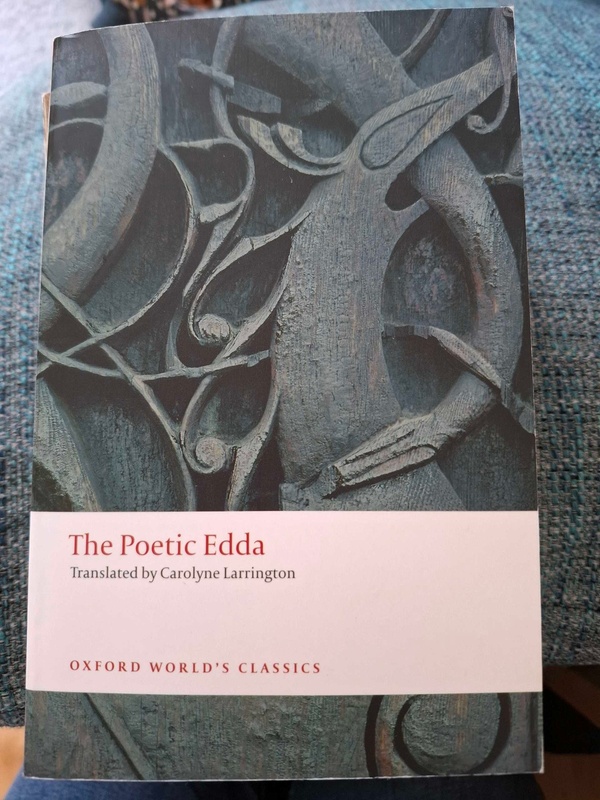
The Poetic Edda translated by Carolyne Larrington and published as part of the Oxford World's Classics series. Recounts the creation of the world, the exploits of gods like Odin and Thor, and the destruction and rebirth of the world at Ragnarok.
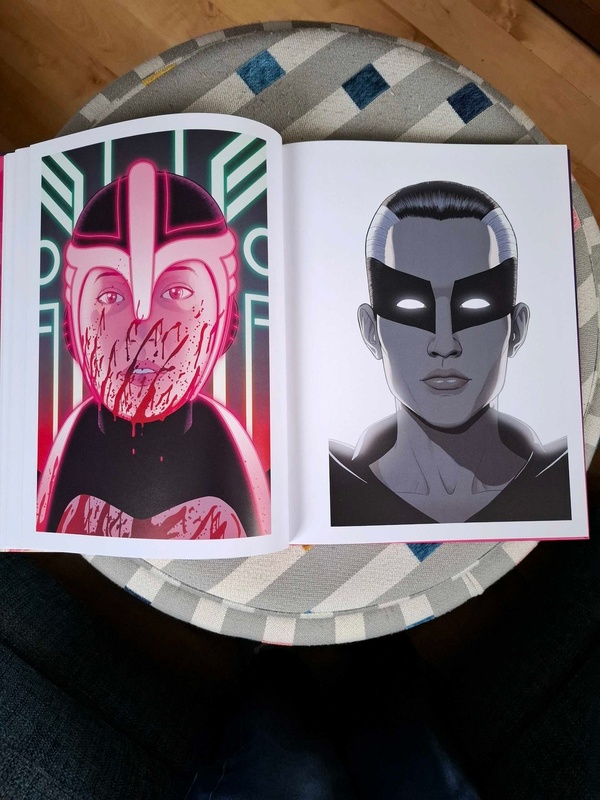
Illustrations from the comic book series "The Wicked + The Divine". These are the face pages of the characters of a Valkyrie (left) and a Norn (right) from the comic series.
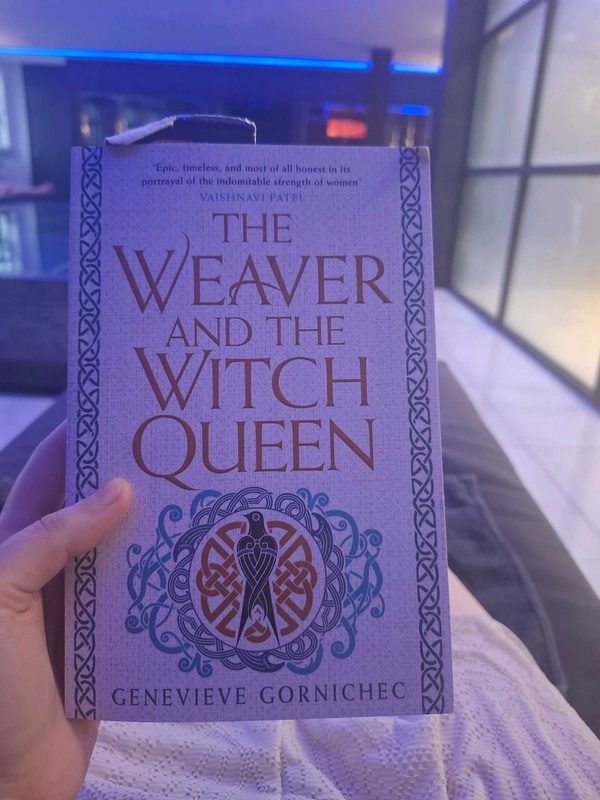
Fantasy novel "The Weaver and the Witch Queen". A historical setting with norse fantasy elements such as seidr magic, set in the time of Eric Bloodaxe and how he met his wife Gunnhild (10th Century Norway).
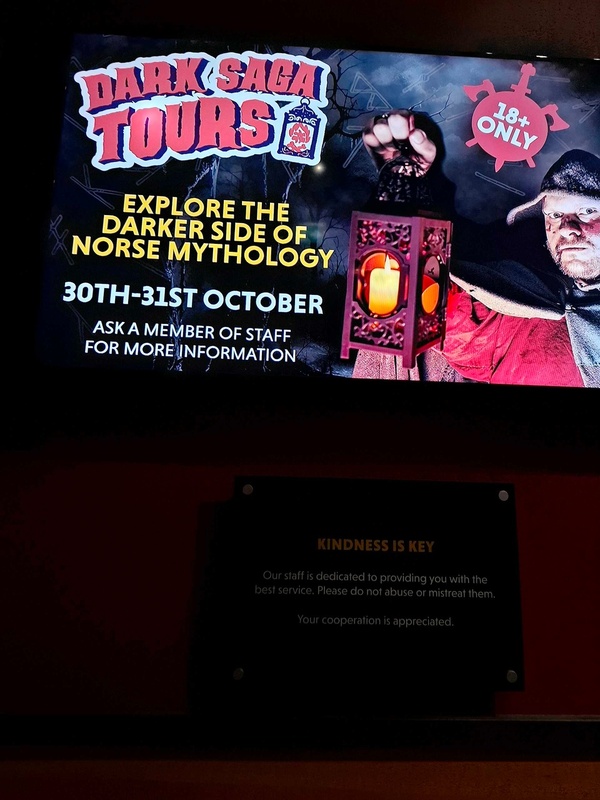
A special halloween/scary themed tour and experience of the Jorvik Viking Centre. Small groups were walked through the viking village and witnessed a norse story brought to life involving gods, curses and undead. Took place in 2024.
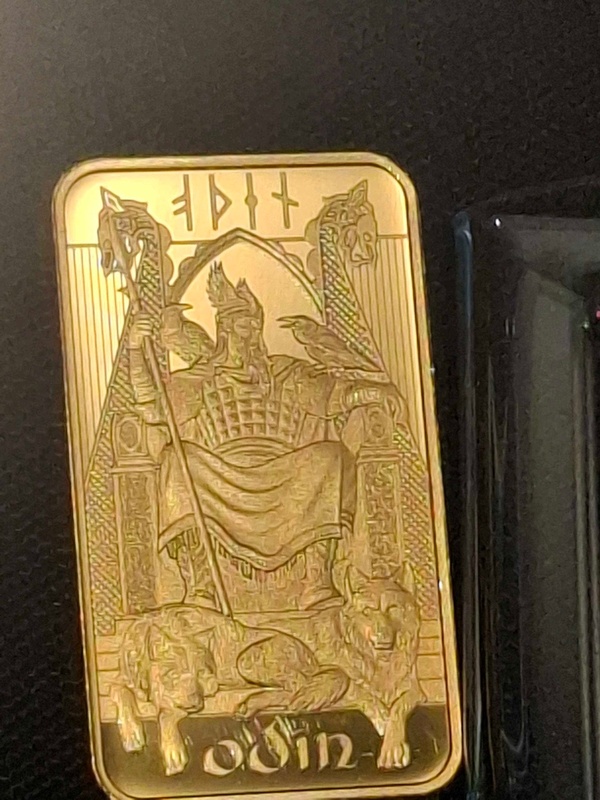
A special edition Gold Bullion bar made by the British Mint in 2024 featuring the norse god Odin. They also produced one for Loki and Thor. This piece was on display in the Jorvik Viking Museum, York, England.
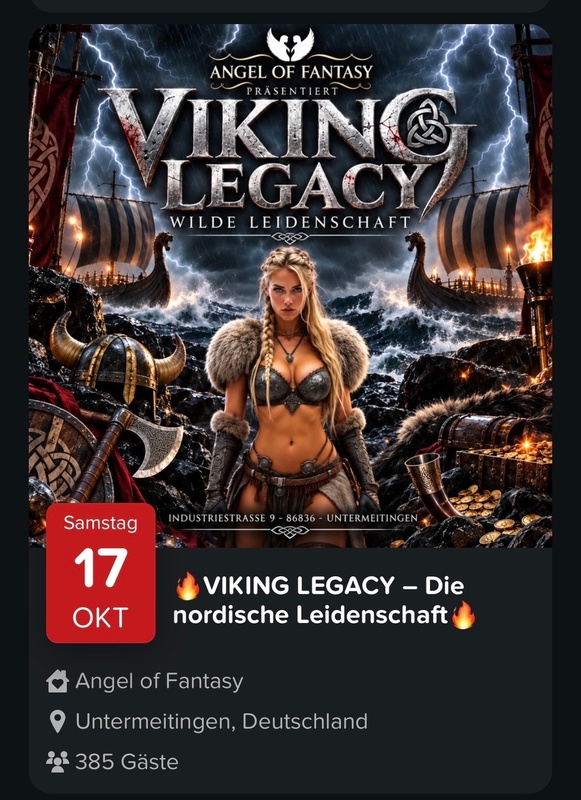
Advert for Viking Swinger Party in rural Bavaria, Germany. It features an AI generated depiction of a barely dressed female "Viking" warrior, horned helmets, beer horns, Viking ships and torches (the usual stock of images).
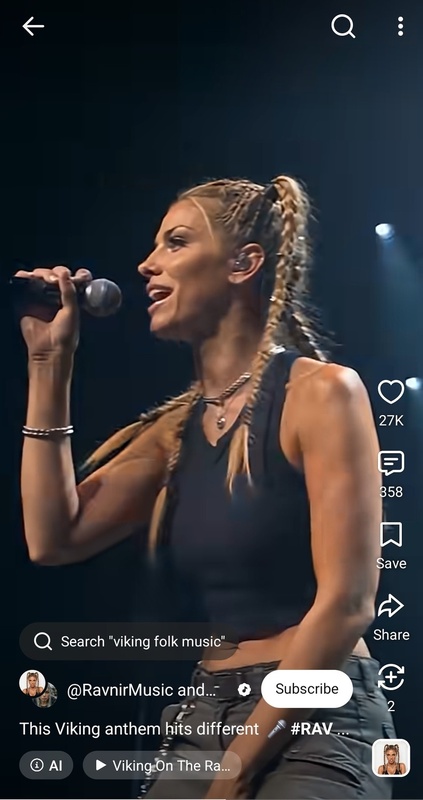
RAVNIR is a Swiss-based Nordic cinematic music project that uses artificial intelligence for its sounds, vocals, visuals, and characters. This image is from a YouTube short "Viking on the Radio". Text says "This Viking anthem hits differently ".
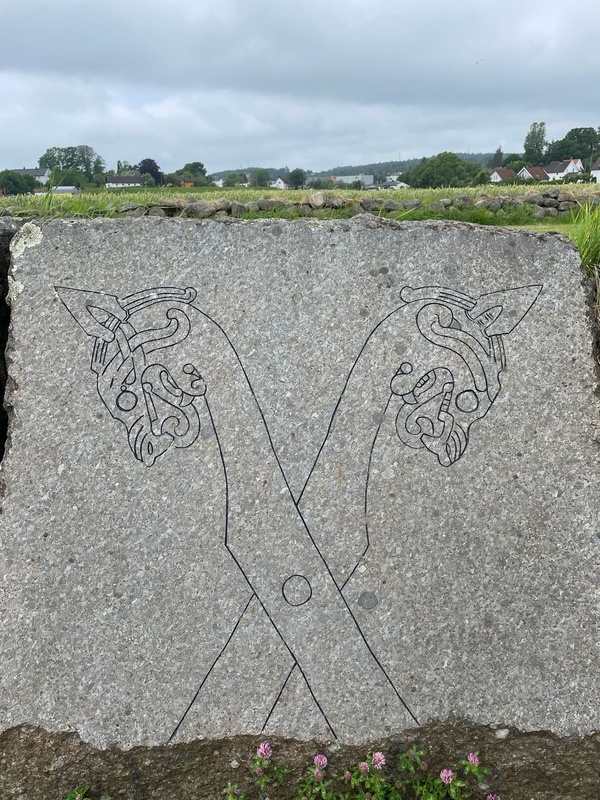
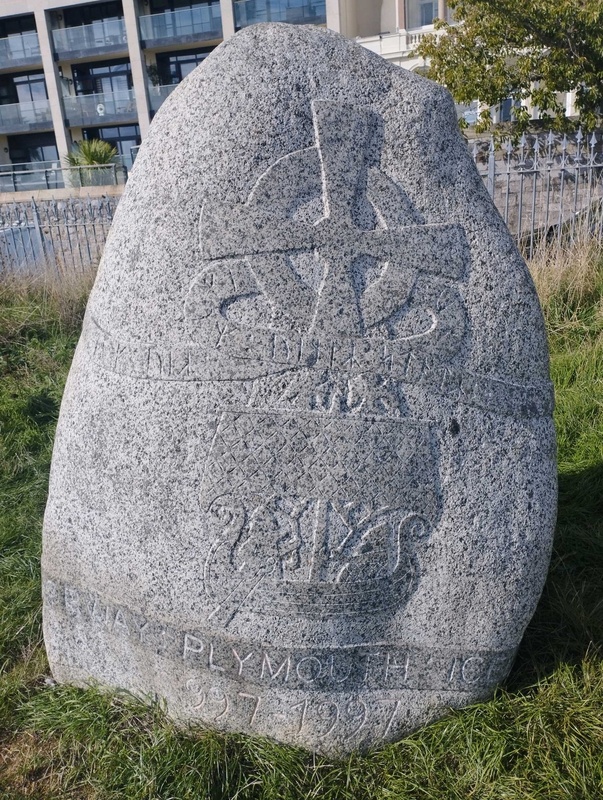
A commemorative carved stone placed in the public park on Plymouth Hoe. Presented as a gift and symbol of friendship from 5 Scandinavian countries in 1997. It marks 1000 years since the final recorded viking raid up the River Tamar in Devon.
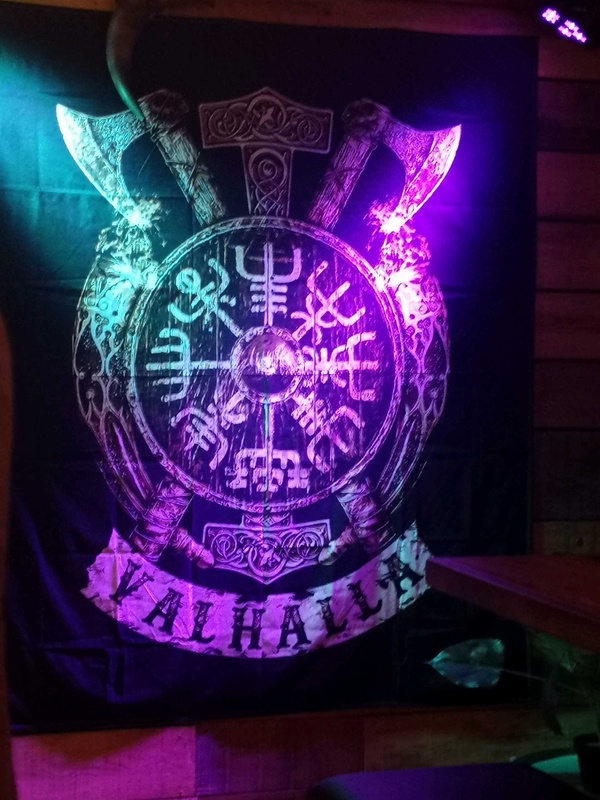
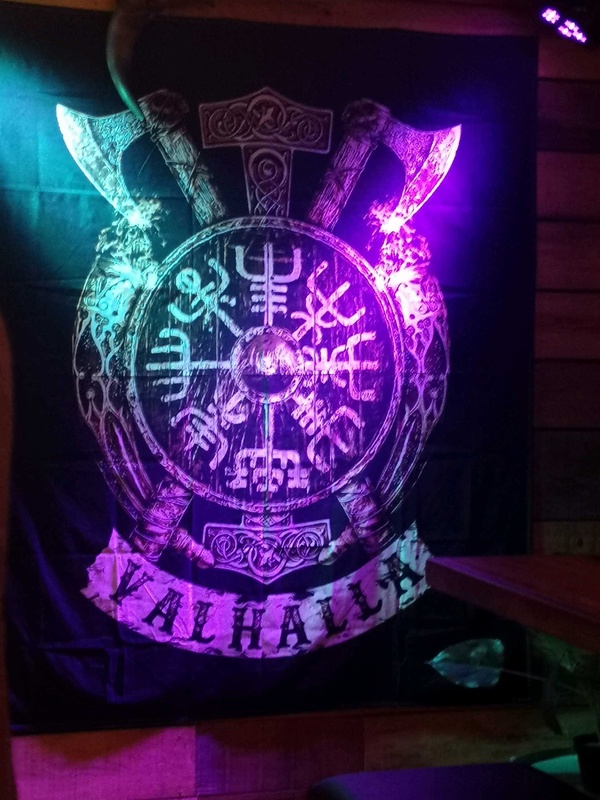
Banner hanging in Valhalla Bar in Stavanger. The artwork features the vegvísir, a symbol often associated with the Viking Age but whose first attestation dates to 1860, as well as drinking horns, Mjölnir, and two axes. The bar's name, Valhalla, is written in a font most commonly associated with the Wild West in movies and TV-series, as well as biker content.
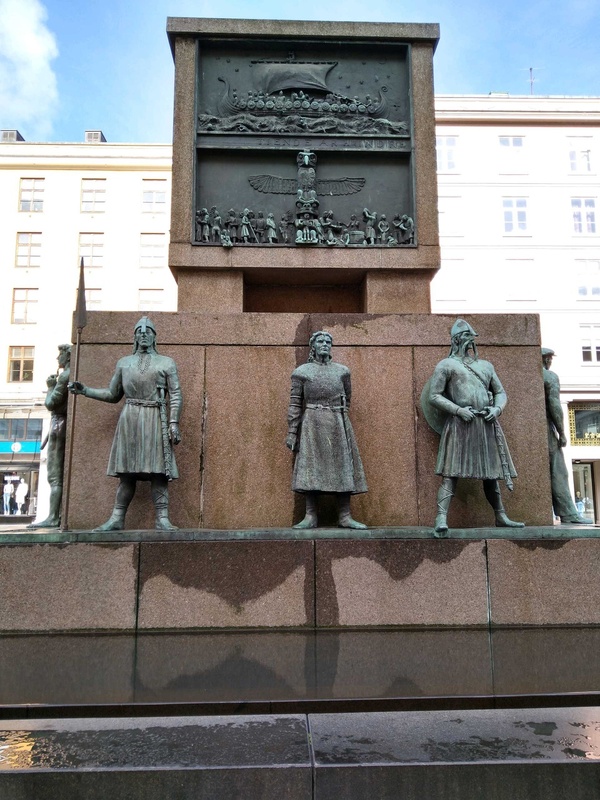
Sjømannsmonumentet (The Seafarer's monument) on Torgalmenningen in Bergen, made in 1939-1945 by Dyre Vaa and unveiled in 1950. The four sides of this monument depict Norway's seafaring history from Viking Age to present-day. The side dedicated to the 10th century depicts the discovery of Vinland, with a meeting between Norsemen and Native Americans, where a Viking ship features prominently. Underneath stand three men, respectively representing a warrior, a skald, and a berserker.
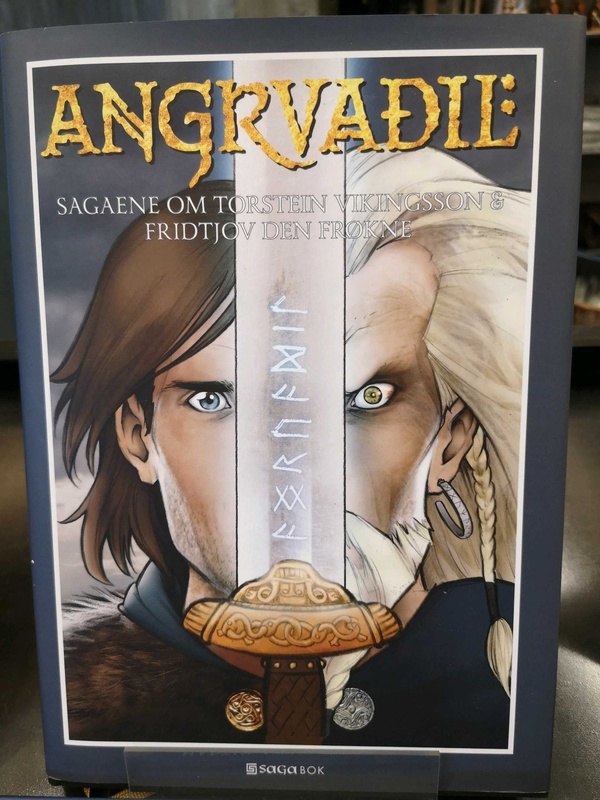
"Angrvadil: Sagaene om Torstein Vikingsson og Fridtjov den frøkne" (Angrvadil: The Saga of Thorstein Viking's son and Frithiof's Saga). Illustrated version of these two sagas, published in 2012 by Saga bok. Art by Erik Evensen, translation to Norwegian by Edvard Eikill.
Banner hanging in Valhalla Bar in Stavanger. The artwork features the vegvísir, a symbol often associated with the Viking Age but whose first attestation dates to 1860, as well as drinking horns, Mjölnir, and two axes. The bar's name, Valhalla, is written in a font most commonly associated with the Wild West in movies and TV-series, as well as biker content.
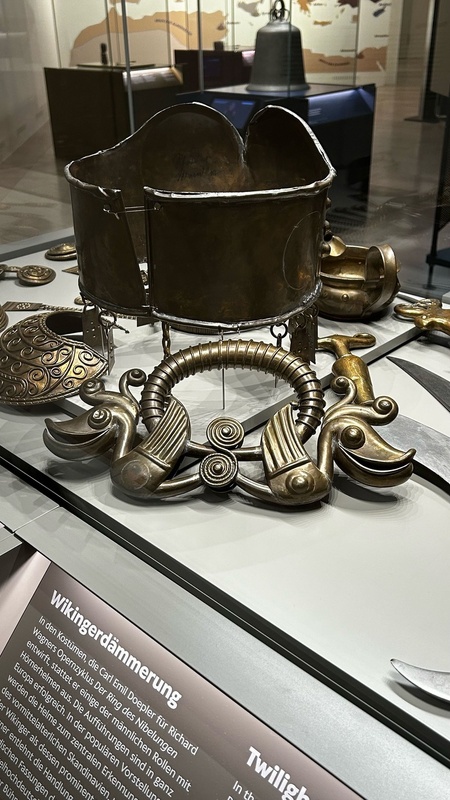
Original stage props from Twilight of the Gods ( Der Ring des Nibelungen) by Richard Wagner - part of the special exhibition Twilight of the Vikings at Schloss Gottorf, Schleswig, Germany. This opera holds a unique position in history it is one of the most influential event in creating the modern myth of how Vikings are visualized such as having horns on helmets.
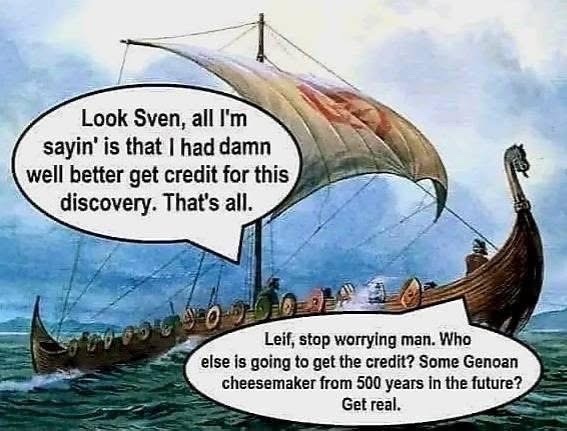
This meme jokes about Leif Erikson and Christopher Columbus, highlighting how history often credits Columbus for discovering the Americas even though the Norse explorer arrived centuries earlier.
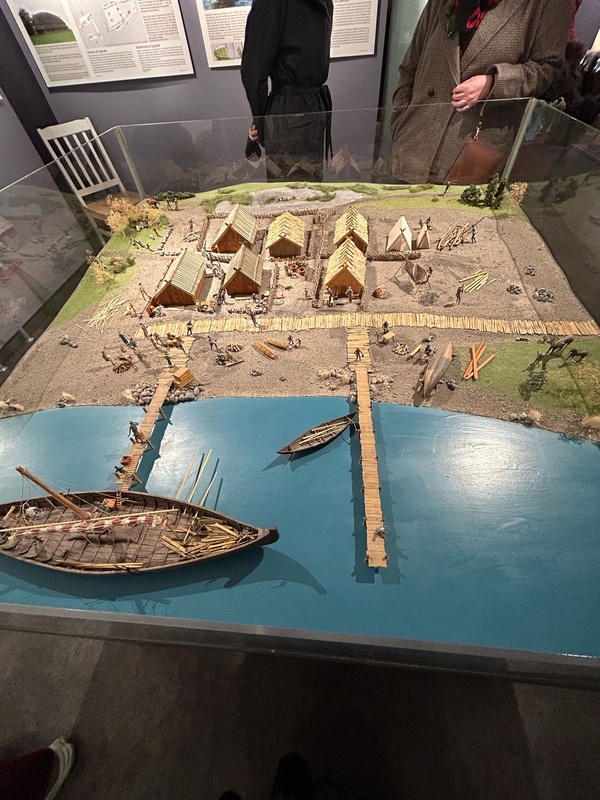
Model of Kaupangr in the Kaupang museum / Kaupang Viking town, Larvik, Norway. Kaupang was an important trading centre in the Viking Age, and is sometimes called Norway's first town.
Annagassan is a small irish Fishing village which you drive through in a blink but in Viking time Ireland, it was an important settlement and trading port, which established Viking presence in Ireland before Dublin became the main Viking hub.
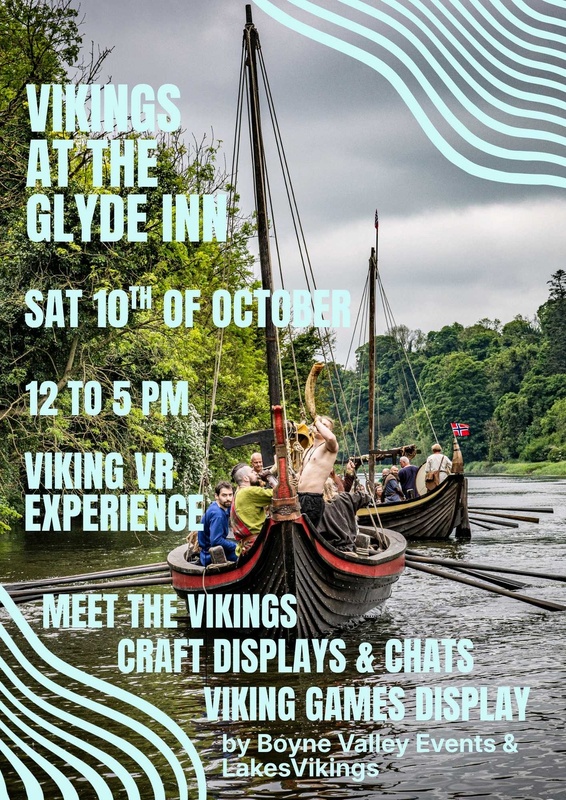
The Glyde Inn in Annagassan is trying to keep the history alive. In his pub restaurant you can dine at a Viking longboat table and enjoy a VR show telling you all about Viking age Annagassin.
On the 10th of October LakesVikings reenactment group supported him in a Viking themed open day.
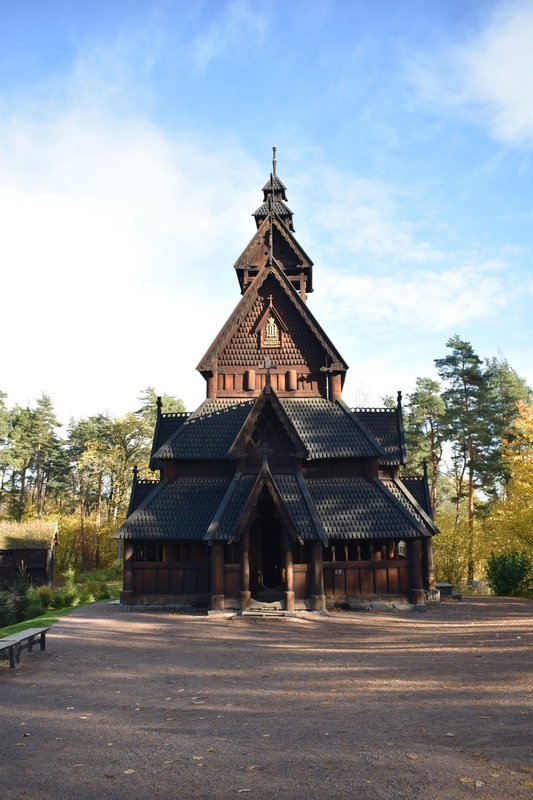
Photo of Gol Stave Church - front view. Eleventh-century stave church, originally located in Gol; dismantled and moved to the Norwegian Museum of Cultural History in Oslo. Exterior is largely nineteenth-century reconstruction, but interior preserves original.
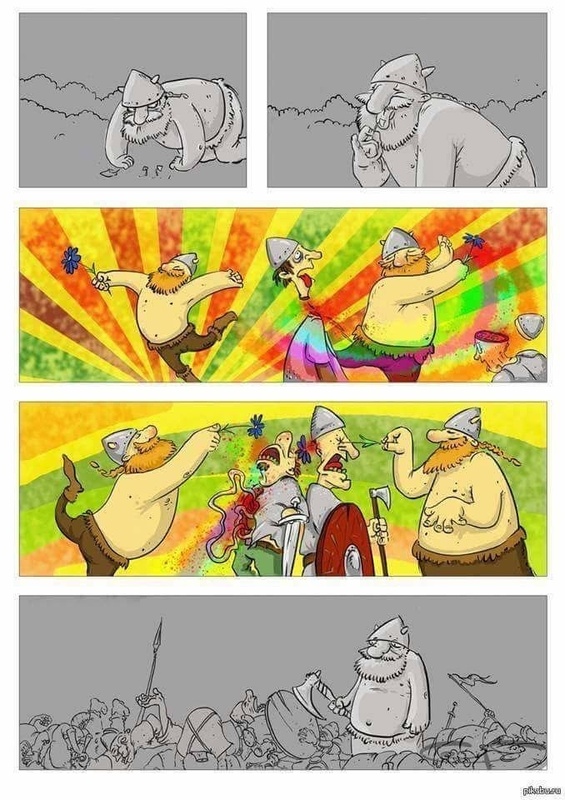
This comic illustrates a popular theory about Viking berserkers—warriors who entered a trance-like fury in battle, historically speculated to be induced by hallucinogenic mushrooms.
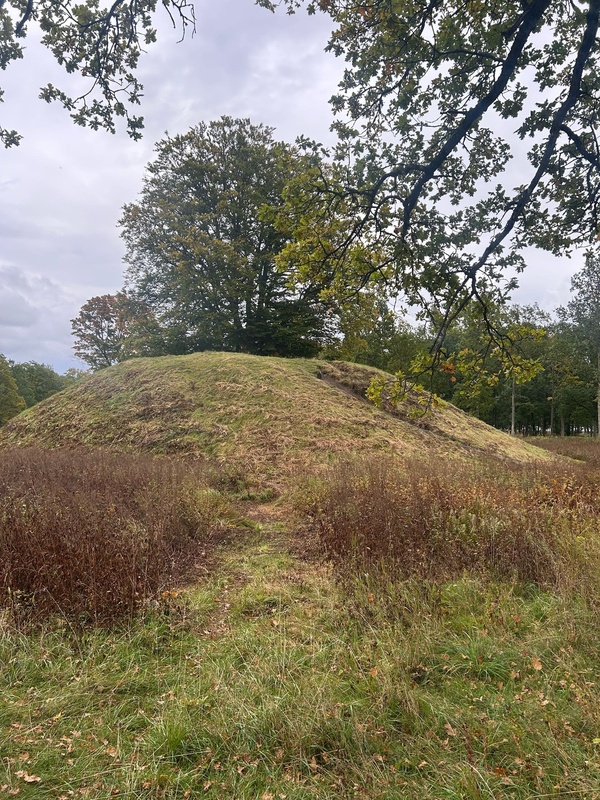
One of the burial mounds at Borre, Vestfold (Norway). Borre was a royal centre in the Viking Age, and there are 7 large and 21 burial mounds at the site.
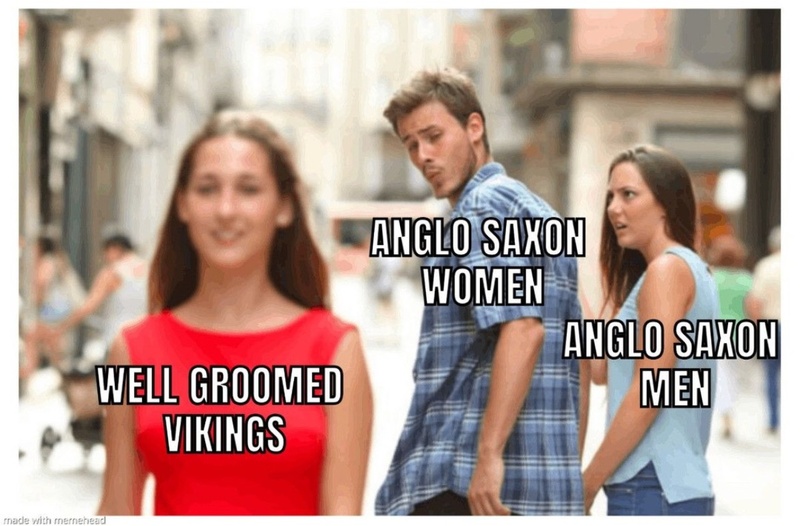
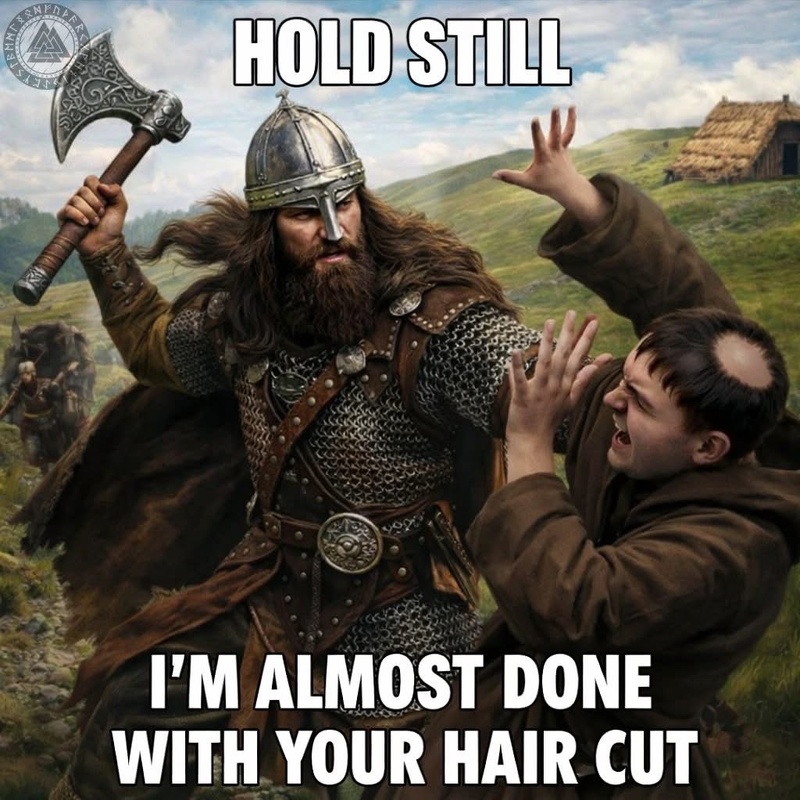
Meme about Vikings "doing" haircuts on monks. Text says "Hold still, I'm almost done with your haircut". This may be a reference to the raids Vikings did across Europe and at times on monasteries. Image appears to be AI generated
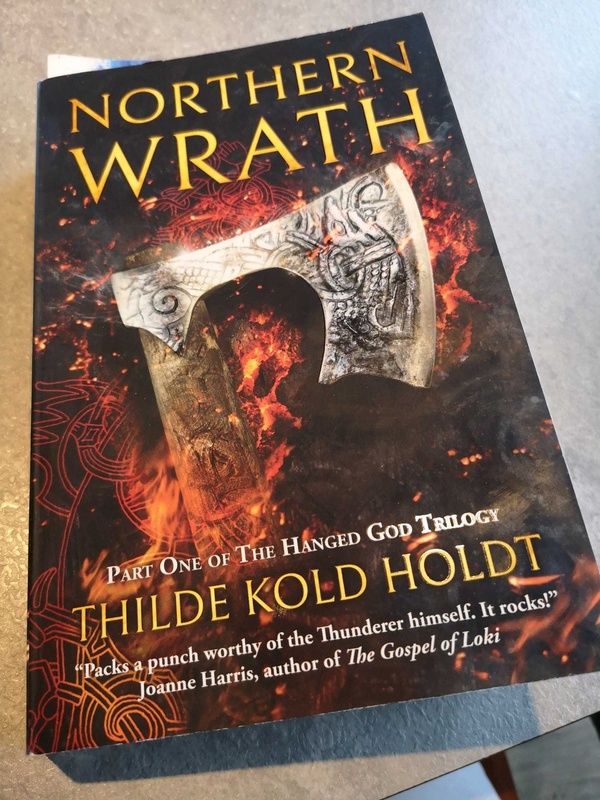
Northern Wrath by Thilde Kold Holdt, which is part one of The Hanged God Trilogy. A book in the sub genre of norse fantasy set in the historical past but where giants, dwarves and gods exist.
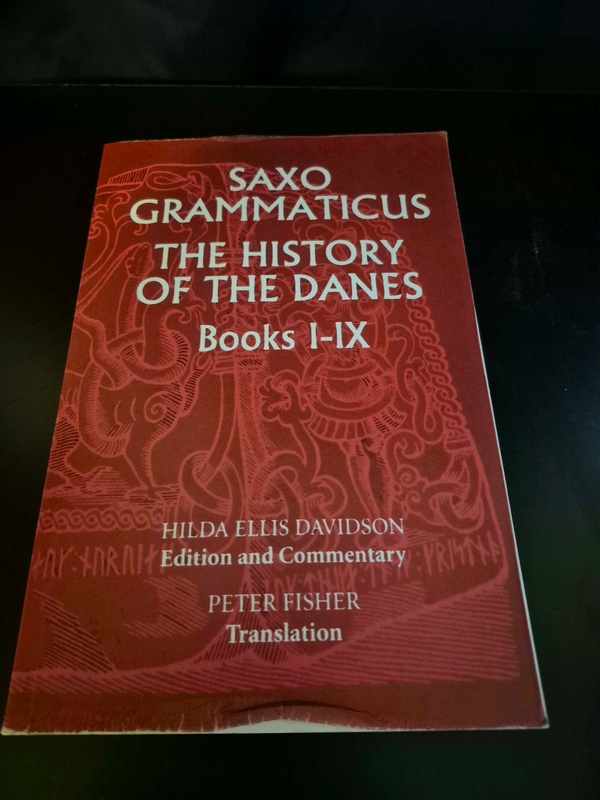
The History of the Danes, Books I–IX by the 12th-century chronicler Saxo Grammaticus. This is a translation by Peter Fisher features an edition and commentary by the specialist in Scandinavian mythology, Hilda Ellis Davidson. The first nine books, contained in this edition, cover the country's legendary "pre-history" and Norse mythology before the official arrival of Christianity.
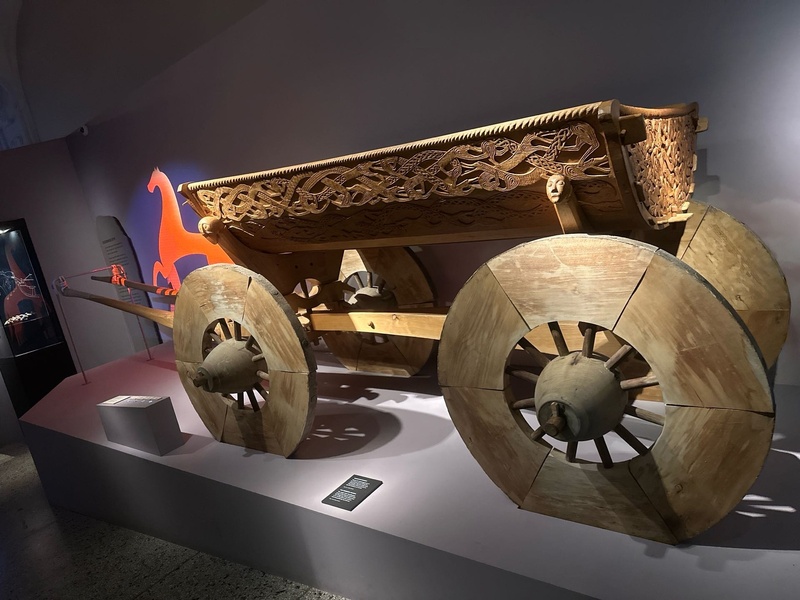
Oseberg Wagon, an ornately carved wooden wagon from the early 9th century found in the famous Oseberg ship burial in Norway. Unearthed in 1904 from a burial mound near Tønsberg, Norway.
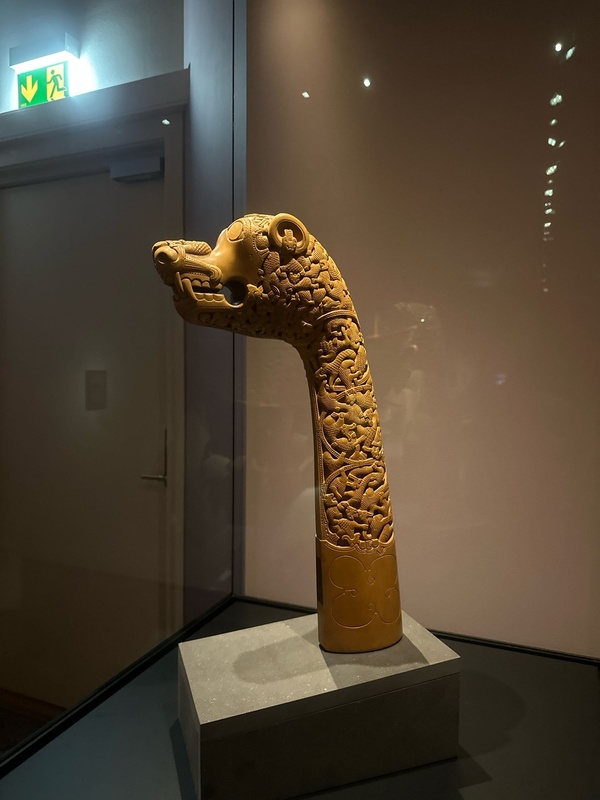
Carved wooden animal head post; one of the artifacts recovered from the 9th-century Oseberg ship burial in Norway. Discovered in the Oseberg mound near Tønsberg, Norway, dating back to around 834 CE.