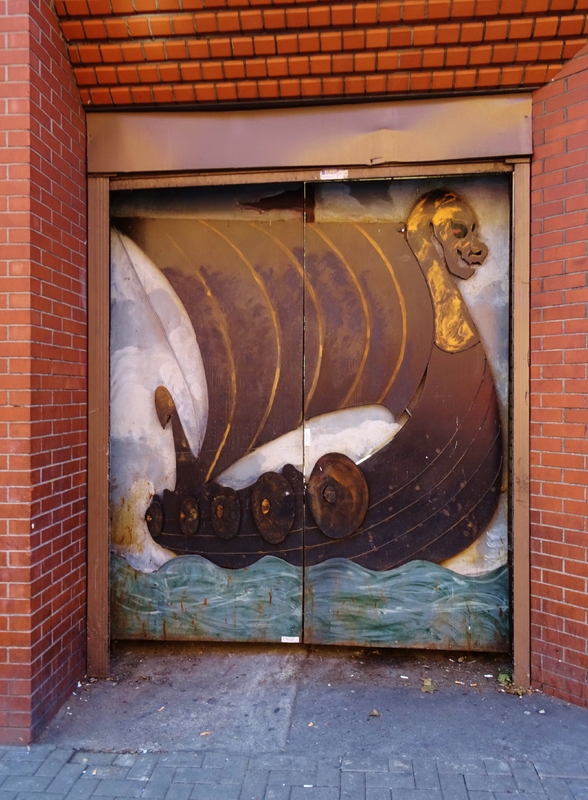
A Viking Ship mural and model on the Home Response House on Lord Edward Street in Dublin. The building is probably Viking-themed due to its location in the former area of Viking settlement within the city, near to Fishamble St and Wood Quay.
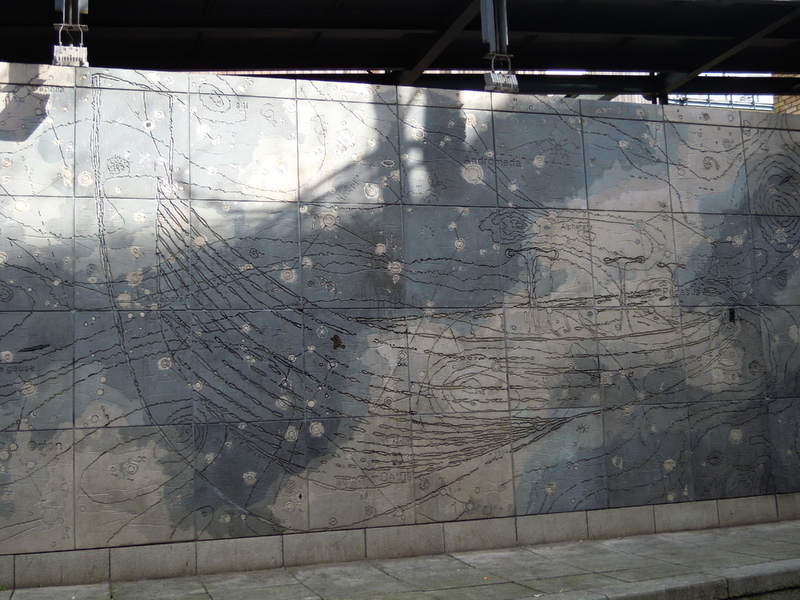
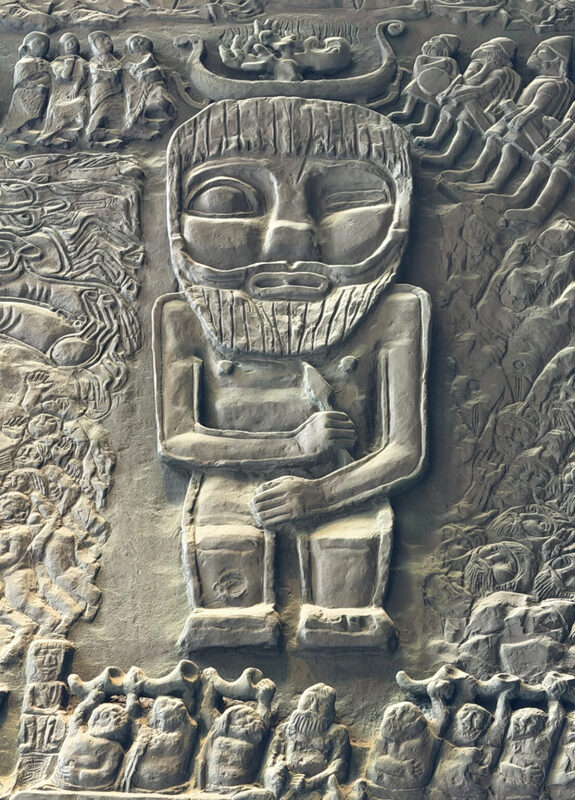
A mural in concrete on the Viking Centre, Essex Street, in the Temple Bar area of Dublin, depicting a Viking ship. The Centre was completed in 1997, and the mural was commissioned from artist by artist Grace Weir. It is a nod to the Viking heritage of this area of the city.
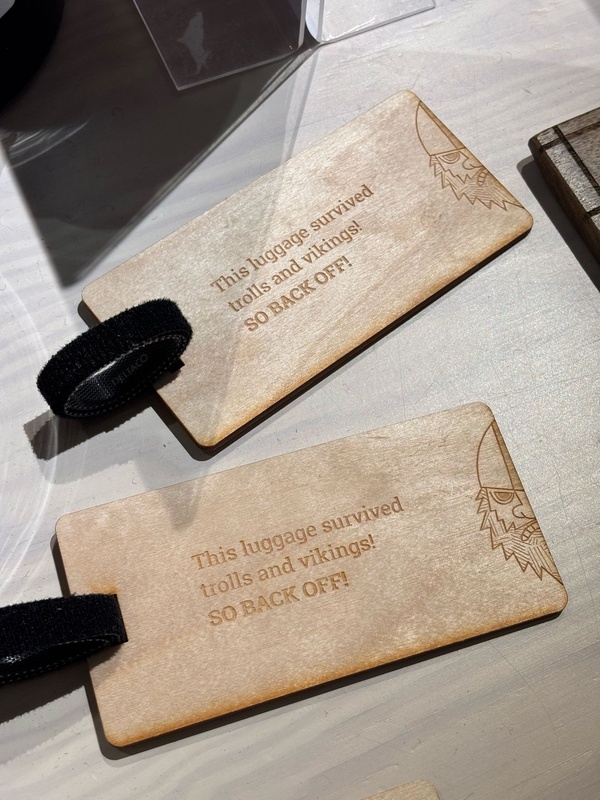
Wooden luggage tag for sale at Bryggens Museum, Bergen. The tag reads "This luggage survived trolls and vikings! SO BACK OFF!" and it has an angry looking Viking with helmet and beard on the side.
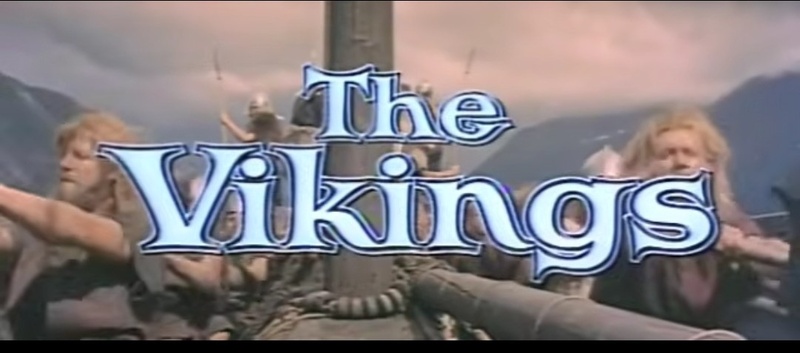
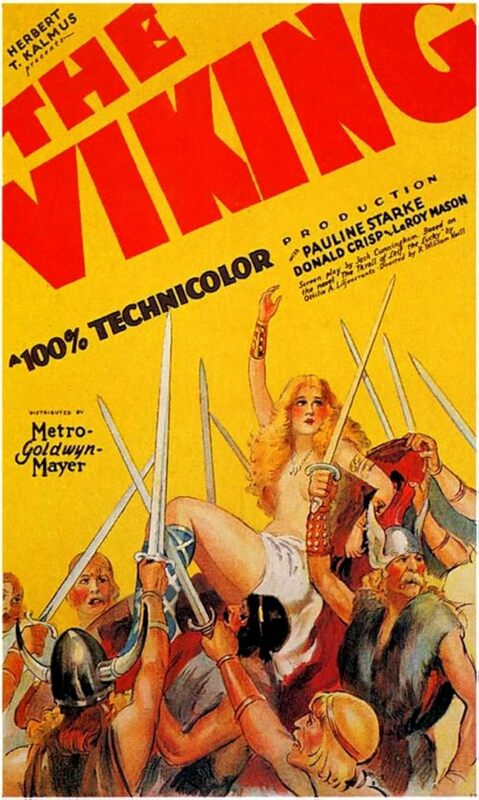
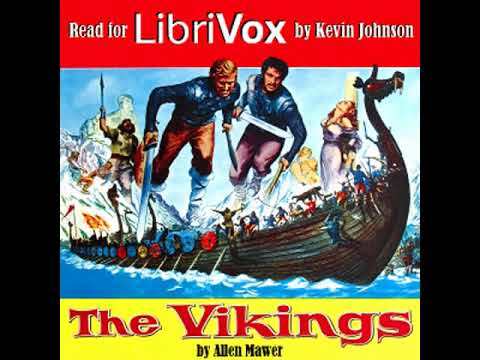
"The Vikings" is a 1958 historical epic directed by Richard Fleischer and produced by Jerry Bresler alongside Kirk Douglas through his independent company, Bryna Productions (Brynaprod), in partnership with Curtleigh Productions. Distributed by United Artists, the film was shot between June and October 1957 on a $3.5 million budget. It celebrated its world premiere in New York City on June 11, 1958, before expanding to a wide theatrical release in the United States on June 28, 1958.
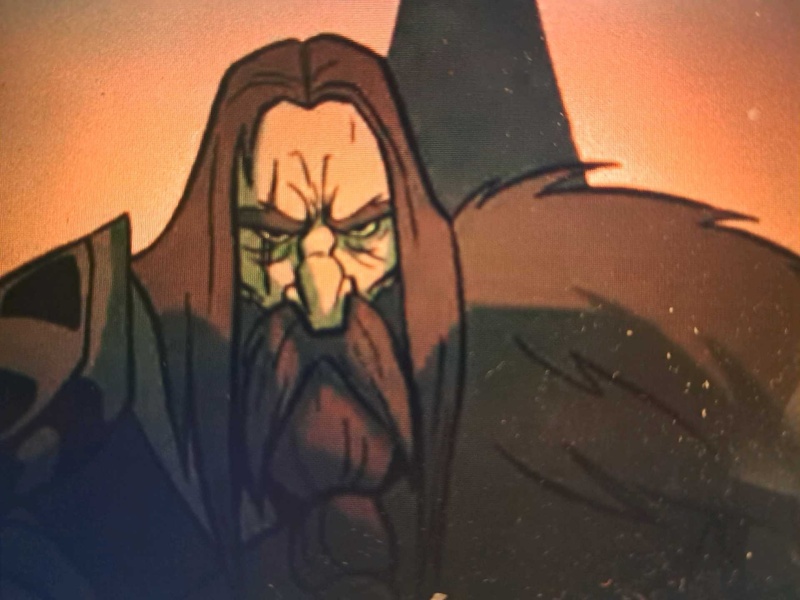
Viking Chieftain from Genndy Tartovsky's 'Primal'. "Vidarr" is Season 2, Episode 6 of Genndy Tartakovsky's animated series Primal, named after the Norse god of vengeance (Viðarr).
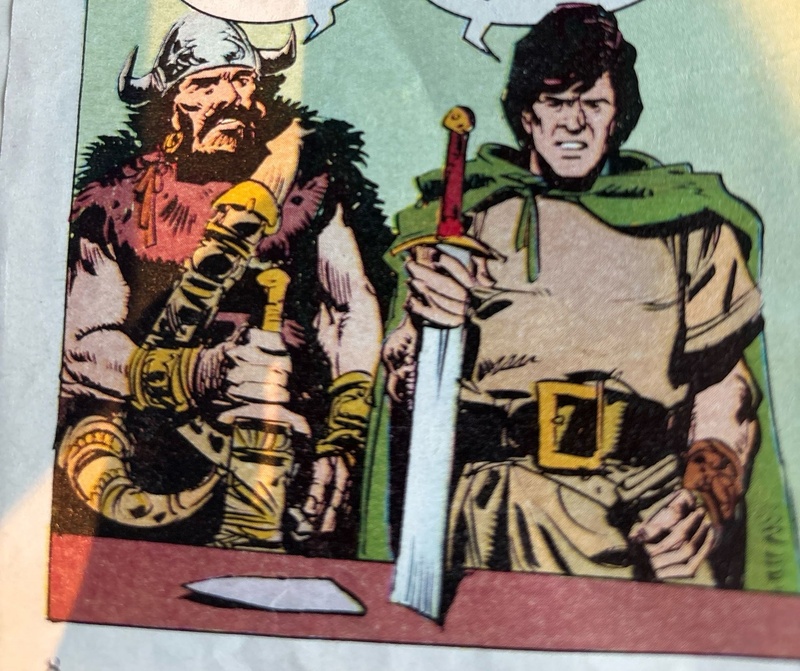
Boromir (on the left) is depicted in clothing reminiscent of cliché „Nordic“ medieval clothing. It is a panel from page 8 of the 1980 Lord of the Rings comic "Föruneyti Hringsins: Níu fótgangendur”.
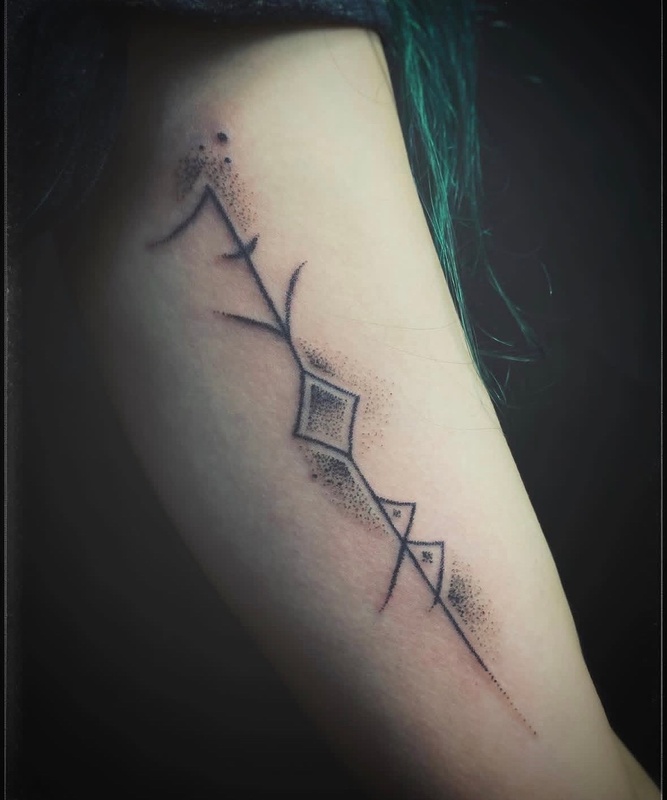
Bind rune tattooed by Hrafnhildur (Habba Nero Handpoke) in Reykjavik in Summer 2021.
Bindrunes are popular choices for tattoos, and often have meanings that are very individual to the wearer.
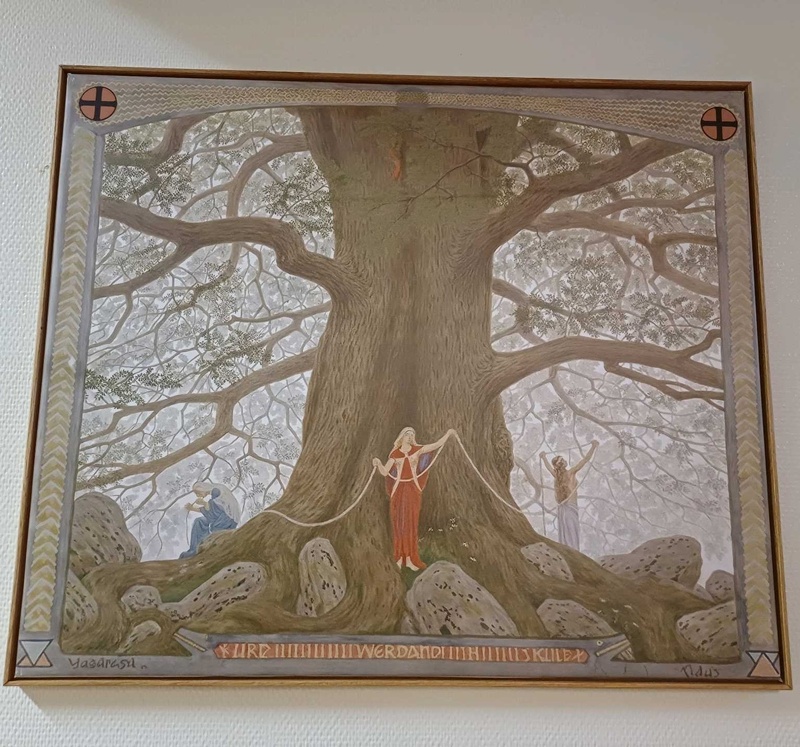
Copy of Hugo Höppener's "Yggdrasil" painting, depicting the World Tree and the Norns, whose names (Urd, Verdandi, Skuld) are written at the bottom in a red ribbon. Hugo Höppener was a German painter and esoteric who felt that the "blood and soil" (Blut und Boden) idea in Nazism fit with his own ideas around the human spirit and veneration of nature, and thus joined the party. The original painting had swastikas in the top corners.
Modern monument commemorating Magnus III Olafsson of Norway, known as Magnus Barefoot (Magnús berfœttr), who was killed in battle in County Down in 1103. Magnus died while campaigning in Ireland, following an alliance with the Irish king Muirchertach Ua Briain. Medieval sources place his death and burial in Ulster, in the area around modern Downpatrick and Strangford Lough.
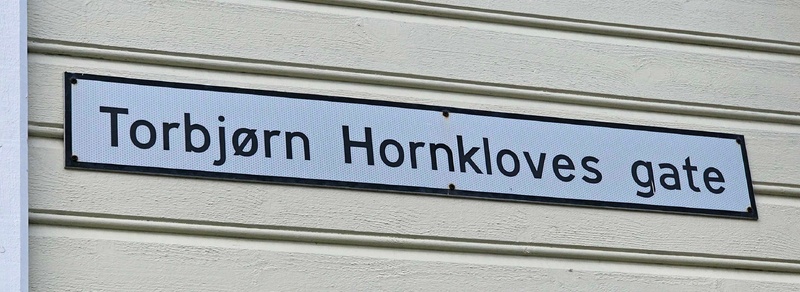
Street sign for Torbjørn Hornkloves gate in Stavanger, Norway. The street is named after Þorbjǫrn hornklofi (Torbjørn Hornklove), a ninth-century Norwegian skald traditionally associated with the court of King Harald Fairhair (Haraldr hárfagri). Poetry attributed to Þorbjǫrn includes material celebrating Harald and his victories, including the Battle of Hafrsfjord, traditionally associated with the unification of Norway.
1976 AA publication Touring guide to Ireland - Fanum House Basingstoke Hampshire England. Publications like this were popular pre Google maps and typically guided tourists and visitors to drives of historical interest including monastic sites raided by the Vikings who did not need AA maps or Google maps to find them.
Memorial of the Danish king Eric the Good (1056-1103) (Erik Ejegod) who died on a pilgrimage in Cyprus. The stone was raised in 1905 by Thor Lange and carved by Carl Numelin. Erected in June 1915. Features the runic-style text: "Vildfarne rejste liden sten, efter Erik Konning sin, der sydpå døde" ("Wayfarers raised a little stone, after Erik their King, who died in the south"), with the added text at the bottom: "Fjernt fra sit kære Fædreland" ("Far from his dear native land").
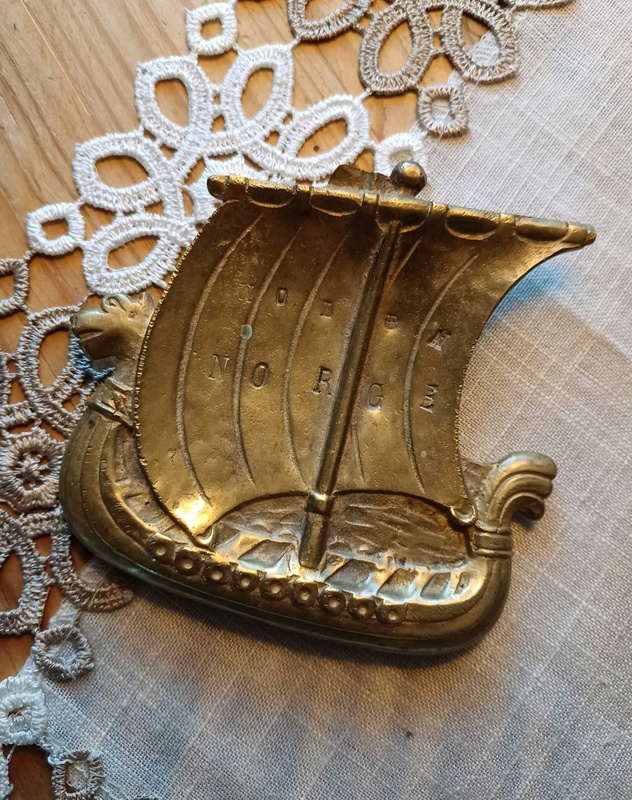
Vintage brass Viking longship souvenir model from Norway, featuring a dragon head at the bow and the word "NORGE" cast onto the sail. This item was mass-produced in the mid-20th-century by various Scandinavian foundries.
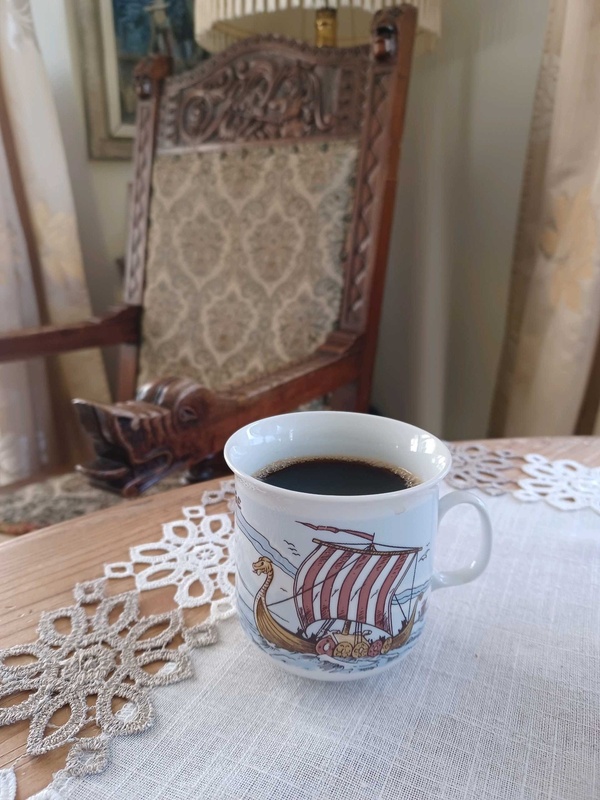
Erling Krage Norge Viking ship porcelain mug, here with coffee in it. Made between 1960 and 1980. Erling Krage A/S was a well-known glass, ceramics, and souvenir store and distributor based in Bergen, Norway, which originally opened in 1934.
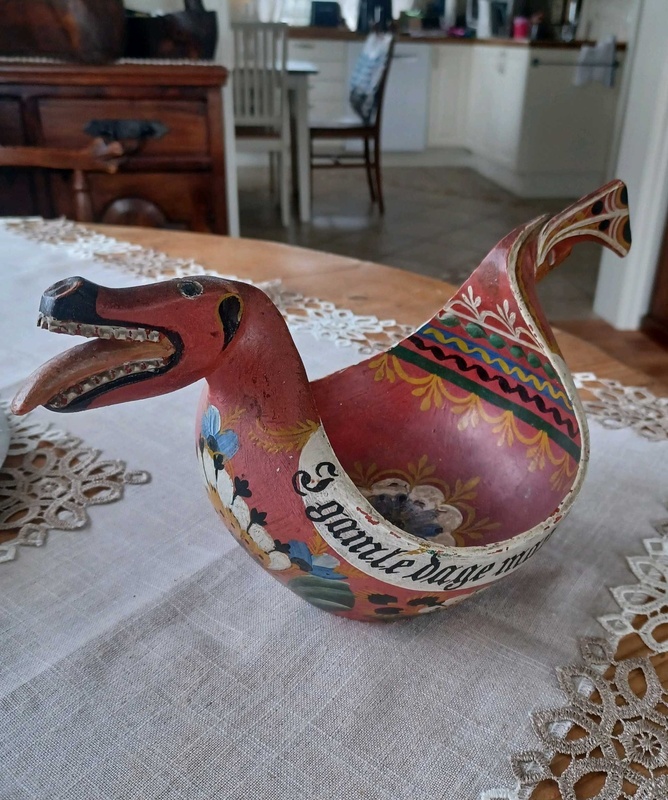
Hand-carved and hand-painted Norwegian wooden ale bowl known as a kjenge (or dragon-headed drinking bowl), featuring traditional rosemaling floral painting and a carved dragon or horse-like head with an extended tongue. The text banner painted along the side reads "I gamle dage...", which translates from Norwegian to "In the old days...". It's design resembles a Viking longship in some aspects, but is not directly connected to Vikings.
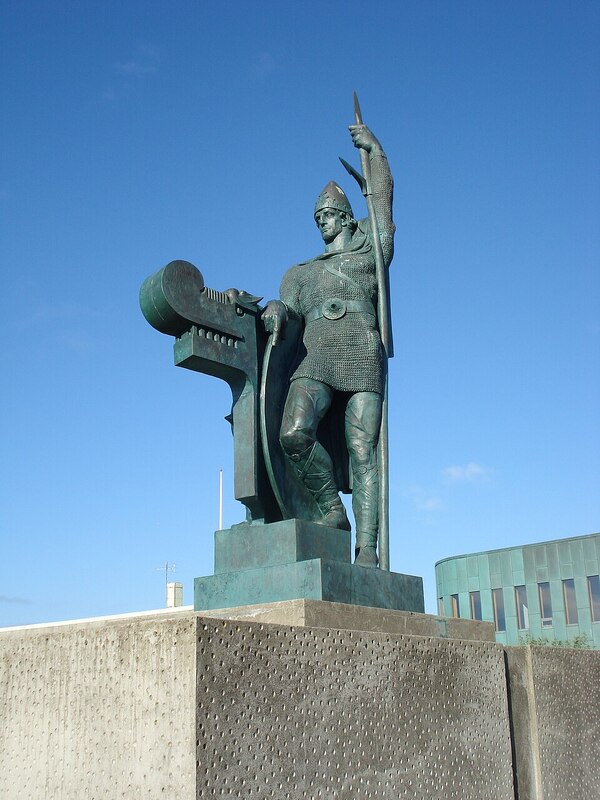
Standing atop Arnarhóll in Reykjavík, this bronze monument commemorates Ingólfur Arnarson, traditionally recognised as Reykjavík’s first settler. His arrival in Iceland is conventionally dated to 874 CE. Created by Icelandic sculptor Einar Jónsson, the monument was unveiled on 24 February 1924.
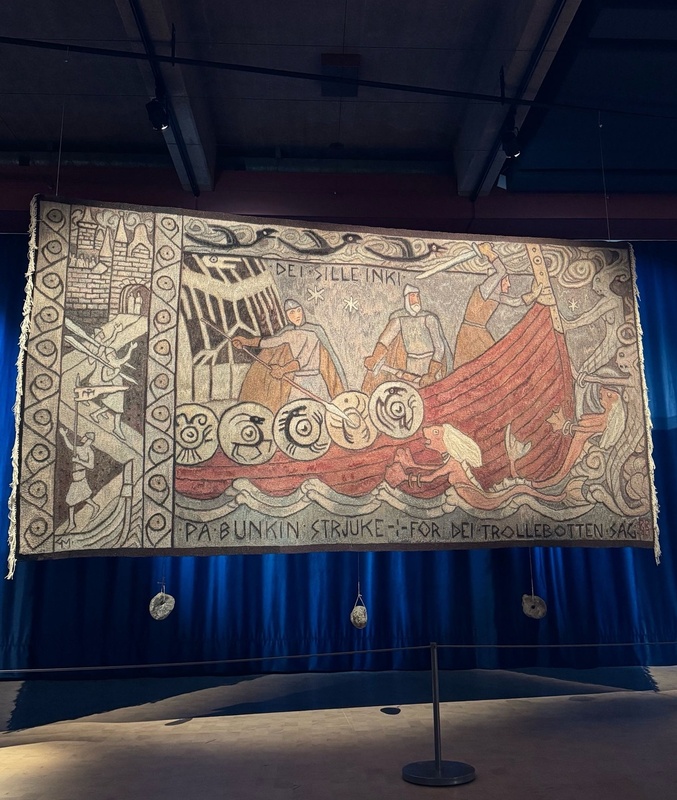
Tapestry currently in the Bryggen Museum, inspired by the ballad of Åsmund Fregdegjeva found in approximately 90 variants. The ballad can be traced back to the Middle Ages, and may have originated from a saga. In this tapestry, Åsmund and his brothers leave the court of the Irish king and set sail for Trollebotten, the mountain under which trolls live and keep the kidnapped Irish princess. This is tapestry number two in a series of ten that were made by the Norwegian textile artist and political activist Ragna Breivik. Ragna dyed her wool herself and wove the ten tapestries over several years. The original design is based on Watercolours by her friend and himself celebrated artist Gerhard Munthe.
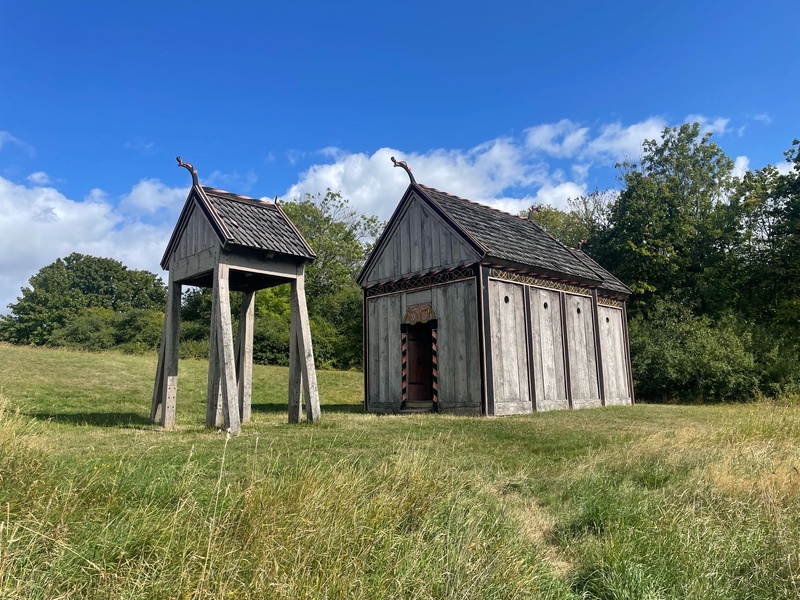
Reconstruction of a late Viking-Age wooden church dating to around AD 1060. The original church was excavated at Hørning, near Randers, Denmark. The reconstruction at Moesgaard includes a separate wooden bell frame and decorative elements based on archaeological evidence from Hørning.
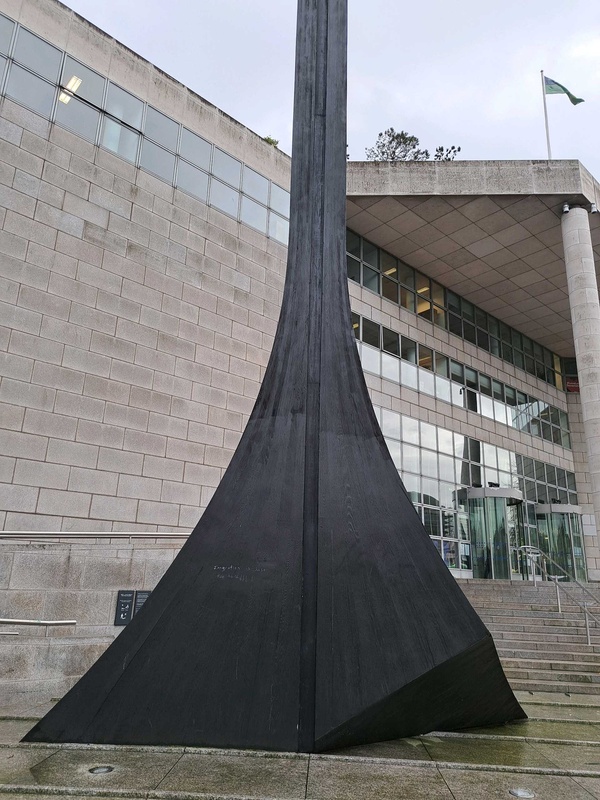
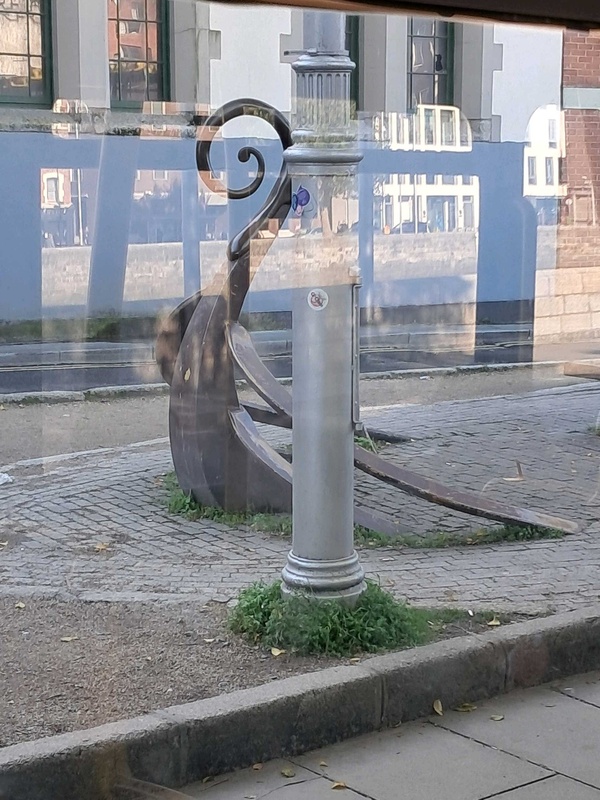
Viking longboat sculpture outside Smock Alley Theatre in Dublin city. Made by artist Betty Newman’s and called Báite (1988). Colloquially known as 'the boat that don't float'.
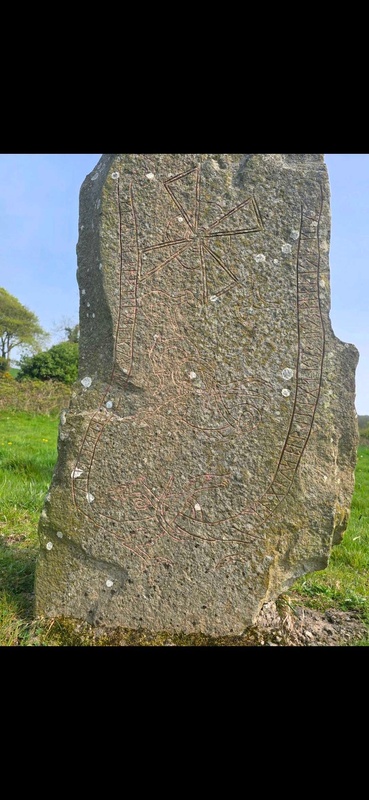
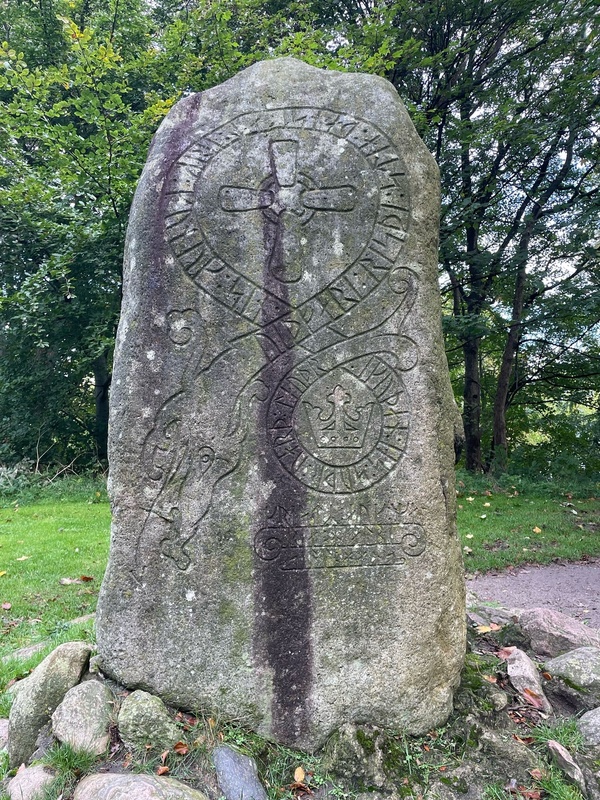
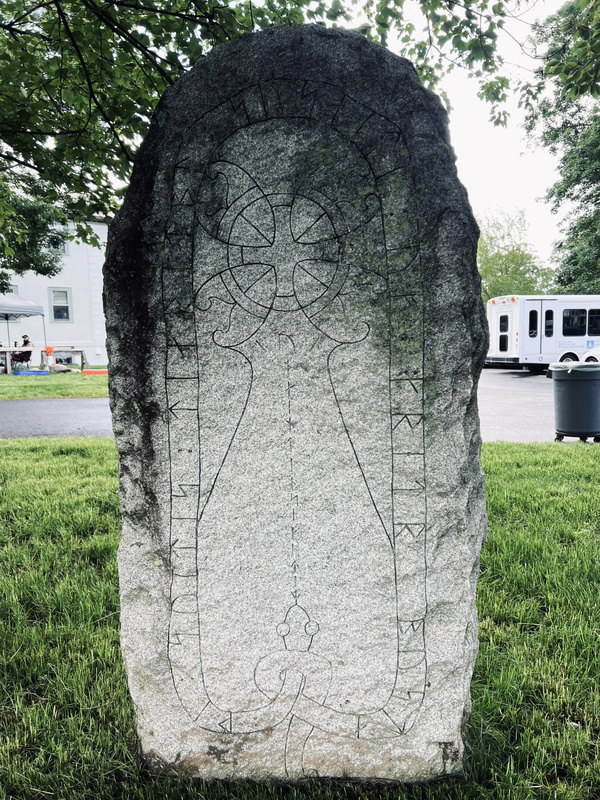
Replica runestone donated in 1960 to the Scandinavian Living Center in Newton from the Swedish Charitable Society of Greater Boston. The runic inscription is in English, but most of it is not legible.
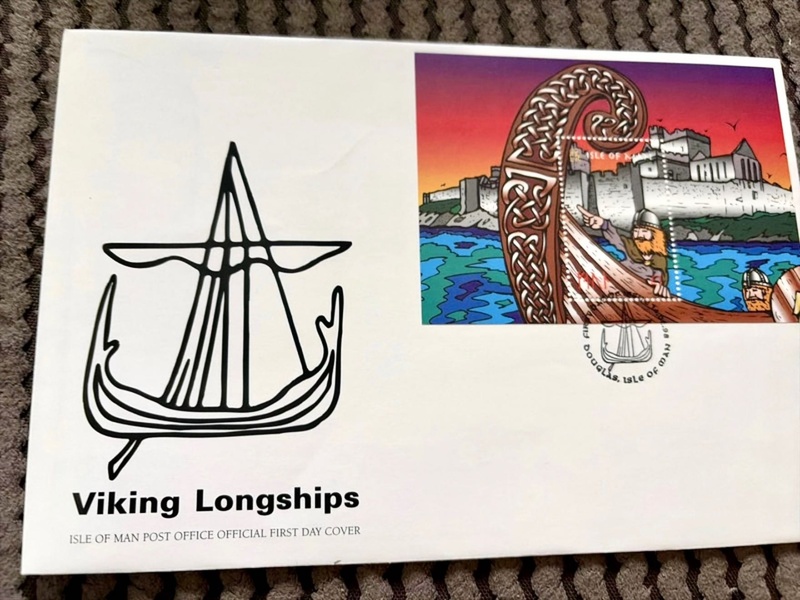
Viking Longships Stamp - Isle of Man Post Office First Day Cover 1998. Features a bearded Viking pointing to the horizon onboard a Viking ship, with Peel Castle in the background.
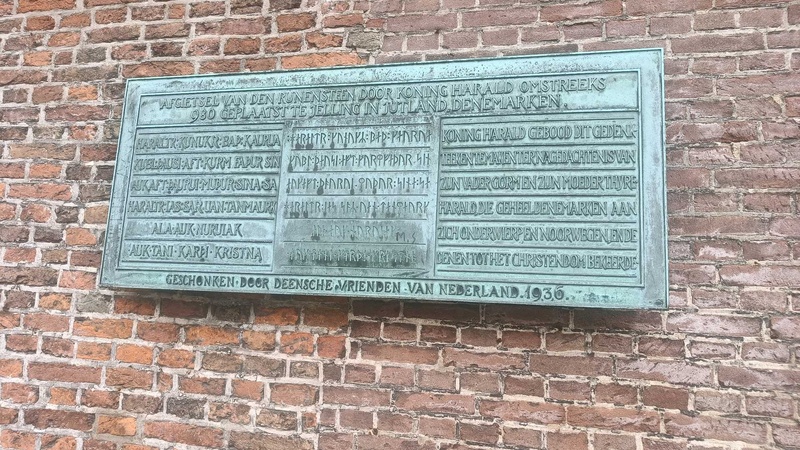
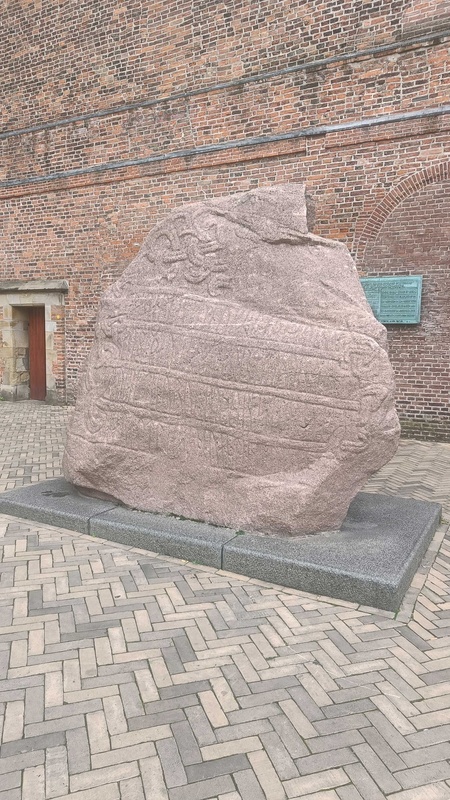
Description plate for the runestone copy of the jutland runestone at the domkirke in Utrecht, gifted by the Danish friends of the Netherlands. Presented as a gift to Utrecht University on its 300th anniversary by Danish friends in 1936.
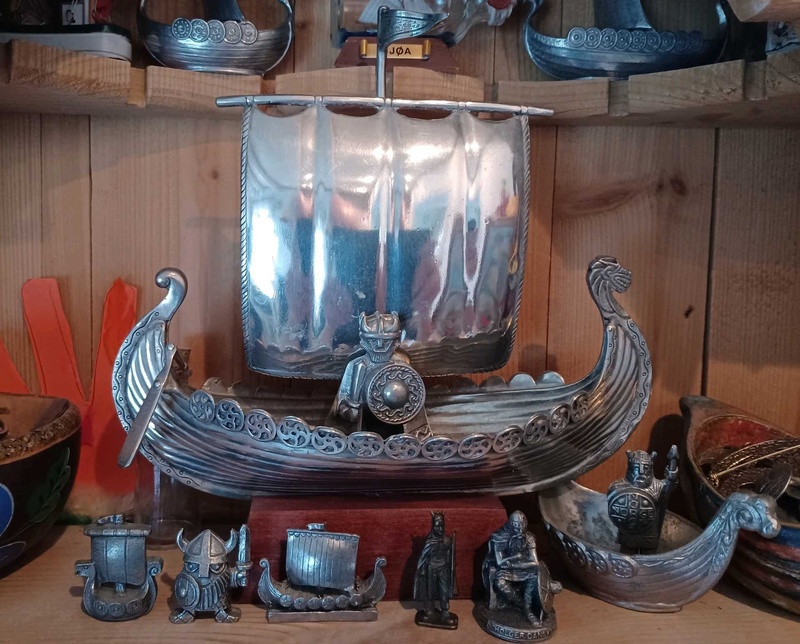
Decorative pewter Viking ship and other assorted pewter decorations, including: ships, shields, Vikings with horned helmets and swords, and Ogier the Dane (Holger Danske).
A copy of the Jutland runestone at Utrecht Domkirken, donated by the Danish friends. Erected 1936 by Deensche Vrienden van Nederland. Accompanied by an information panel. Top horizontal panel: A casting of the rune stone by King Harald placed in Jelling in Jutland, Denmark, about 980 A.D. The left-middle vertical panel is a transliteration of the runes. The mid-middle vertical panel is the actual rune text that is found on three sides of the stone. The right-middle vertical panel is a translation of the runes into Dutch.
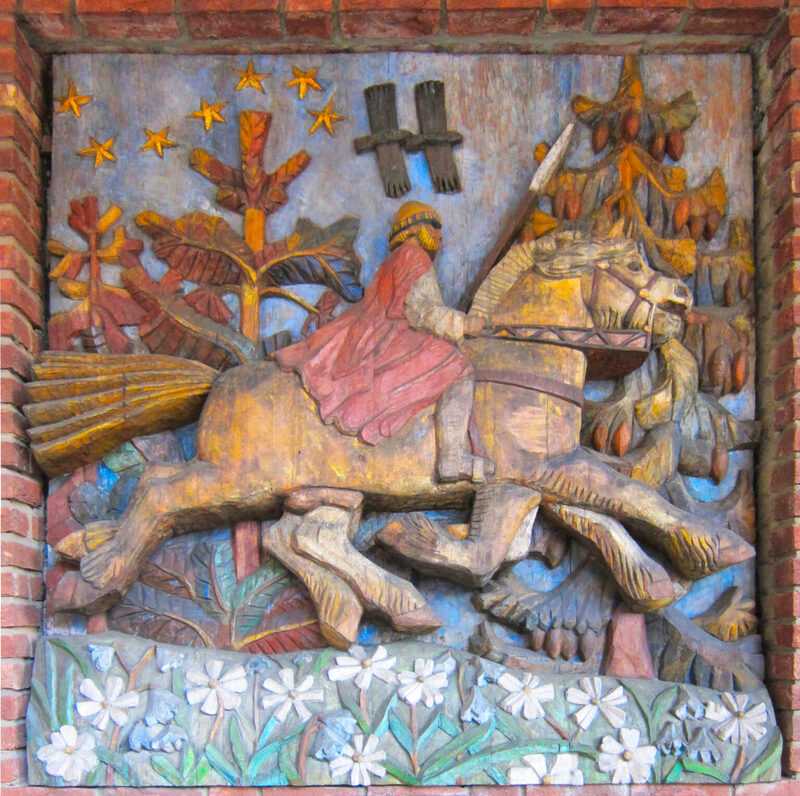
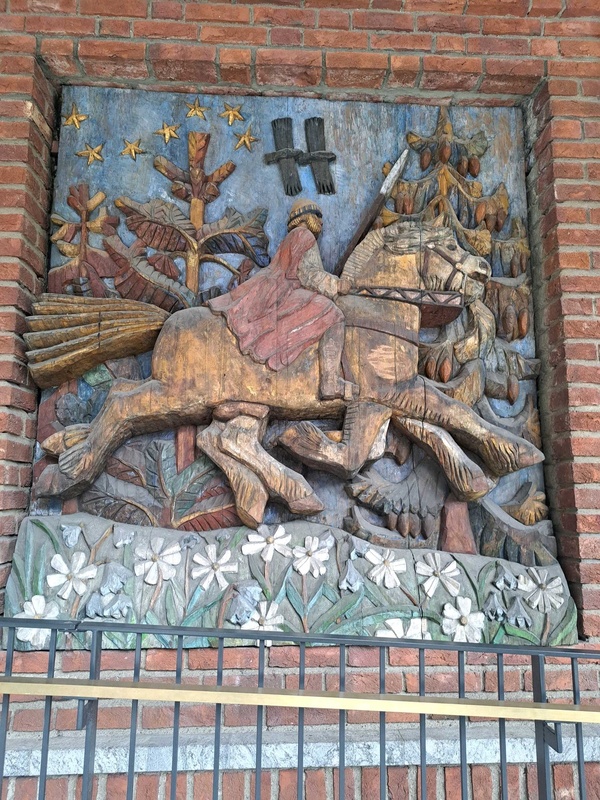
One of 16 wooden reliefs depicting scenes of Norse mythology created by Dagfin Werenskiold arrayed in the exterior courtyard of Oslo City Hall; this one shows Odin on Sleipnir, Hugin and Munin are flying overhead.
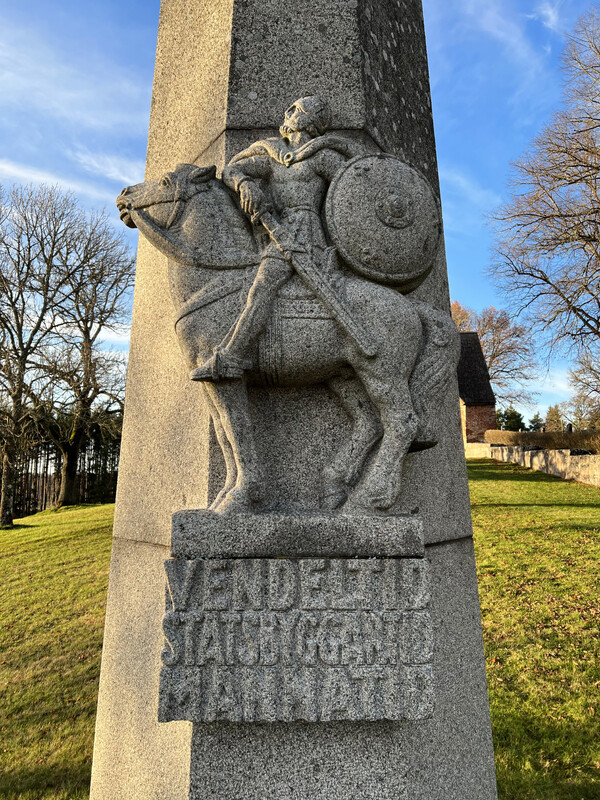
Obelisk created by John Lundqvist after the designs by Anders Tollstén. The obelisk commemorates Vendel, site of the famous graves from pre-Viking Age and Viking Age. On the obelisk is a man on a horse, and the words "Vendeltid. Statsbyggartid. Mannatid" (Vendel Age. Nation building Age. Man Age)
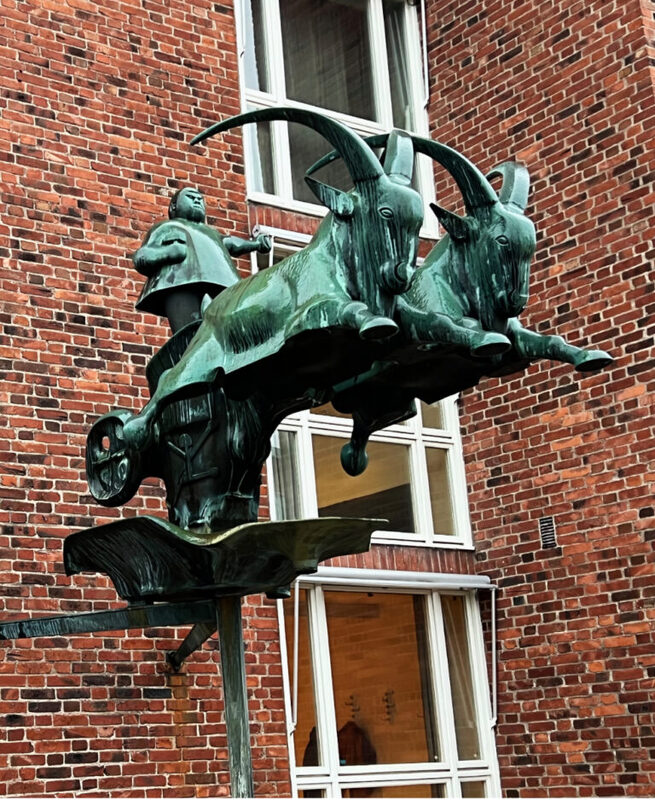
Sculpture of Thor and his goats at Kungliga Tekniska Högskolan, Stockholm, created by Stig Blomberg. Thor is seen holding Mjolnir and riding his chariot, pulled by his two goats
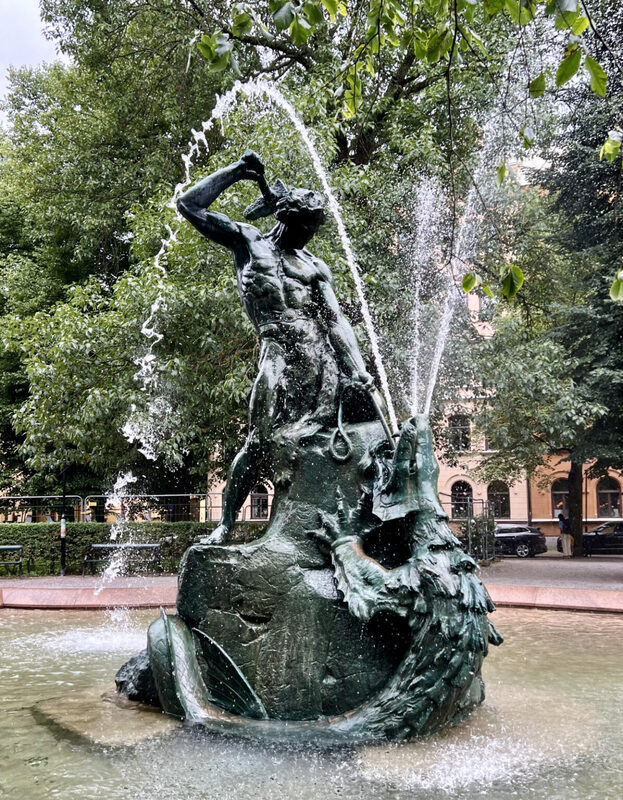
Statue of Thor battling the world serpent Jörmungandr created by Anders Wissler. The statue is part of a water fountain in Mariatorget, Stockholm, Sweden.
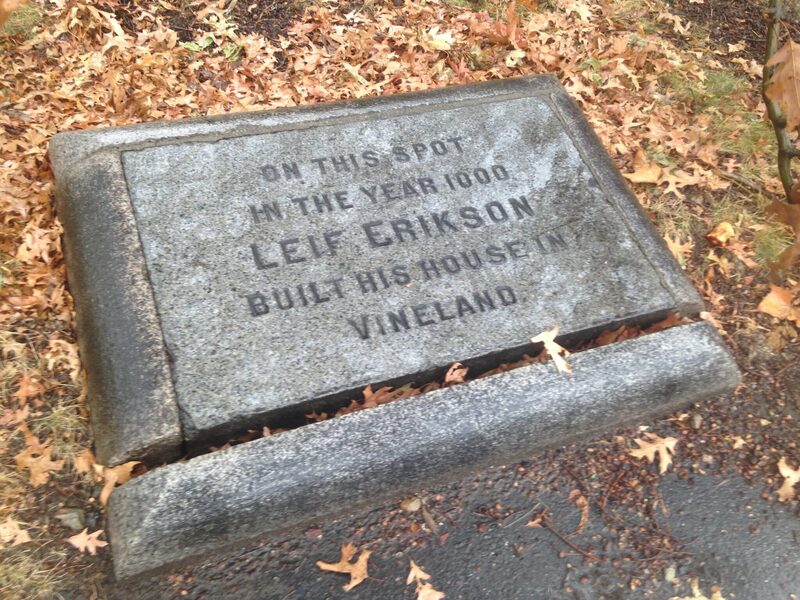
A stone plaque commemorating the alleged location of Leif Erikson's house in Cambridge, Massachussetts. The plaque reads: “On this spot in the year 1000 Leif Erikson built his house in Vineland.”
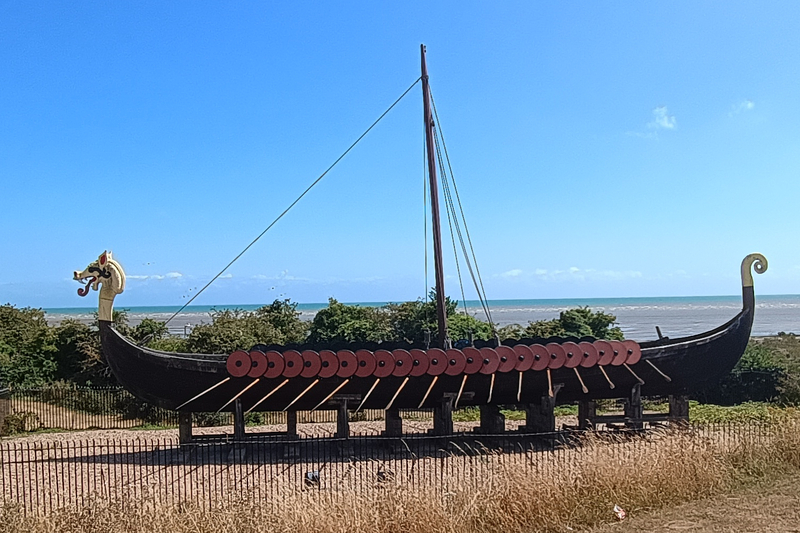
A replica Viking longship built and sailed from Denmark to the nearby Viking Bay (Broadstairs, Kent) in 1949 to commemorate the 1500th arrival of the two Saxon chieftains Hengist and Horsa to Ebbsfleet.
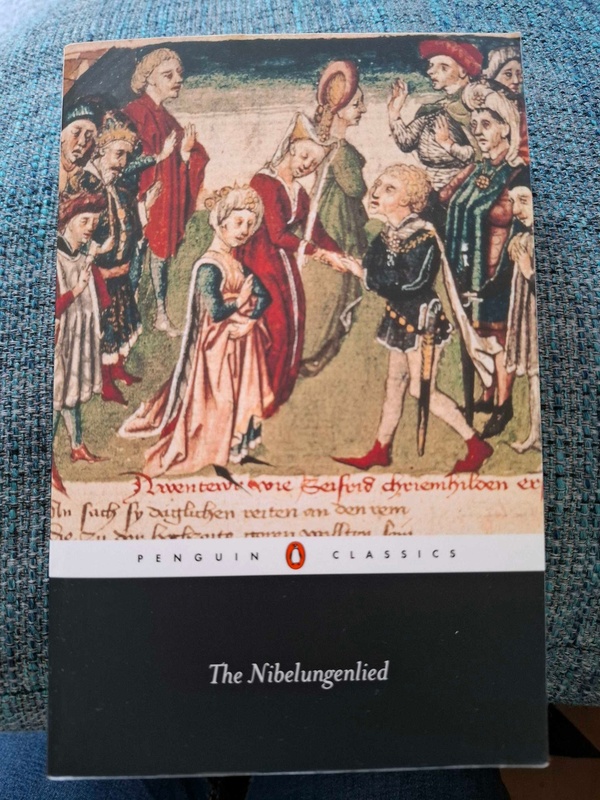
Penguin Classics paperback edition of The Nibelungenlied: Prose Translation translated by A.T. Hatto. Written around 1200 in Middle High German, The Nibelungenlied is a heroic epic closely linked to Old Norse mythology. It tells a version of the same pan-Germanic legend preserved in the Icelandic Poetic Edda and Völsunga saga. In the Norse tradition, the hero Siegfried is known as Sigurd, while Kriemhild appears as Gudrun.
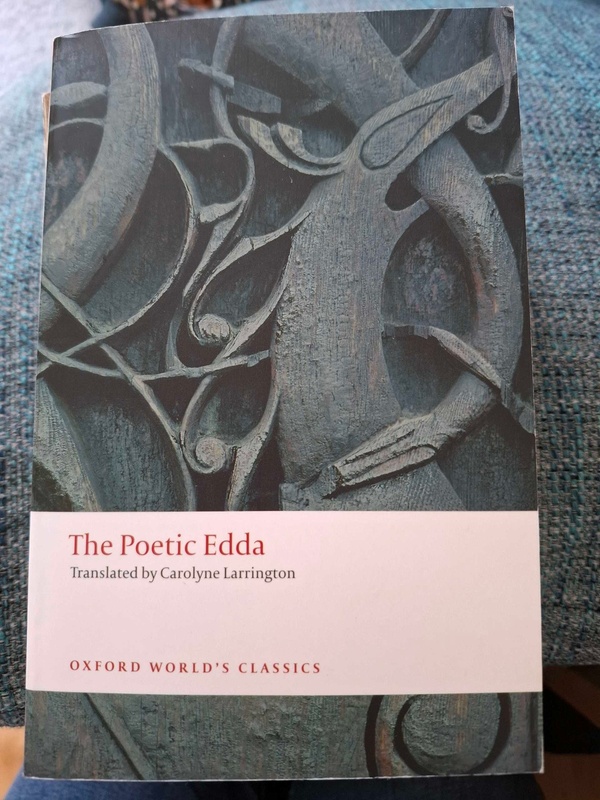
The Poetic Edda translated by Carolyne Larrington and published as part of the Oxford World's Classics series. Recounts the creation of the world, the exploits of gods like Odin and Thor, and the destruction and rebirth of the world at Ragnarok.
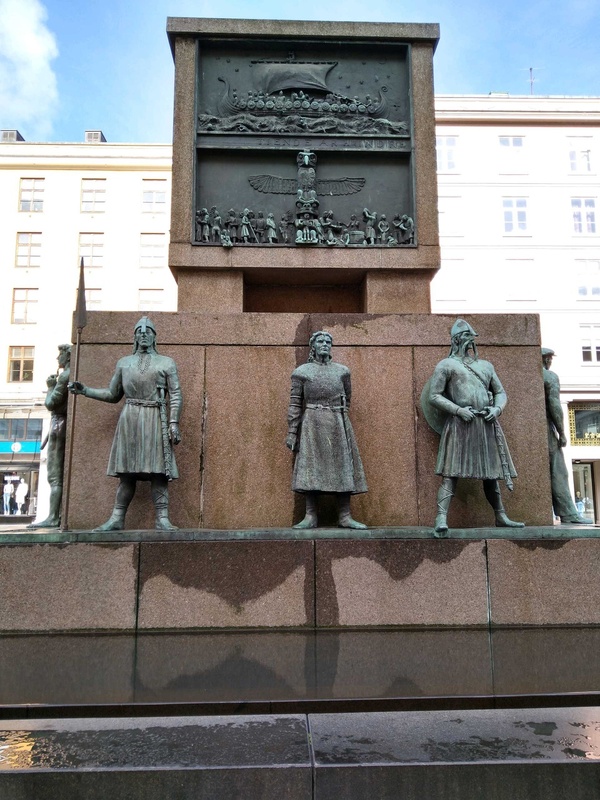
Sjømannsmonumentet (The Seafarer's monument) on Torgalmenningen in Bergen, made in 1939-1945 by Dyre Vaa and unveiled in 1950. The four sides of this monument depict Norway's seafaring history from Viking Age to present-day. The side dedicated to the 10th century depicts the discovery of Vinland, with a meeting between Norsemen and Native Americans, where a Viking ship features prominently. Underneath stand three men, respectively representing a warrior, a skald, and a berserker.
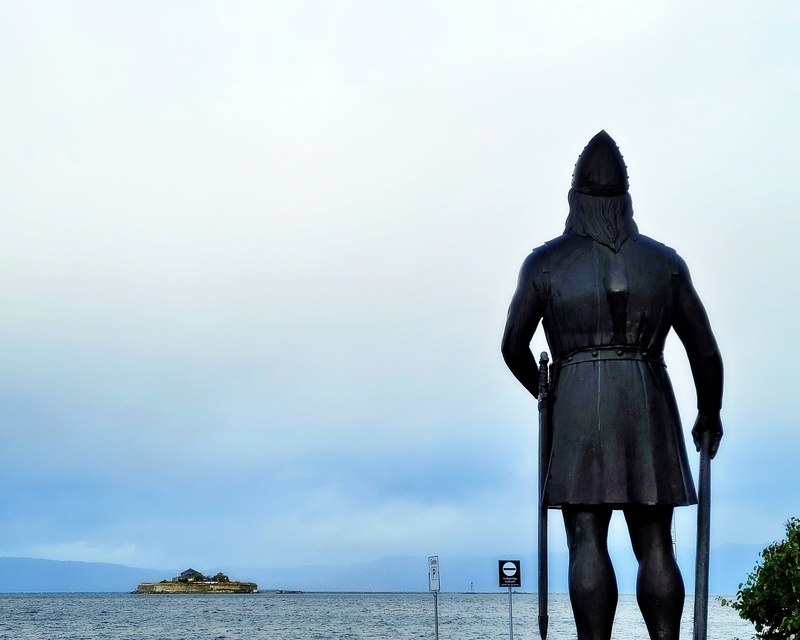
Monument to Leif Erikson in Trondheim, Norway by artist August Werner: a copy of the original 1962 Seattle World's Fair monument given to Trondheim by the Leif Ericson Society of Seattle, and unveiled in 1997.
The Bluetooth symbol is a bind rune combining two Younger Futhark runes representing the initials "H" and "B" of 10th-century Viking King Harald Bluetooth.
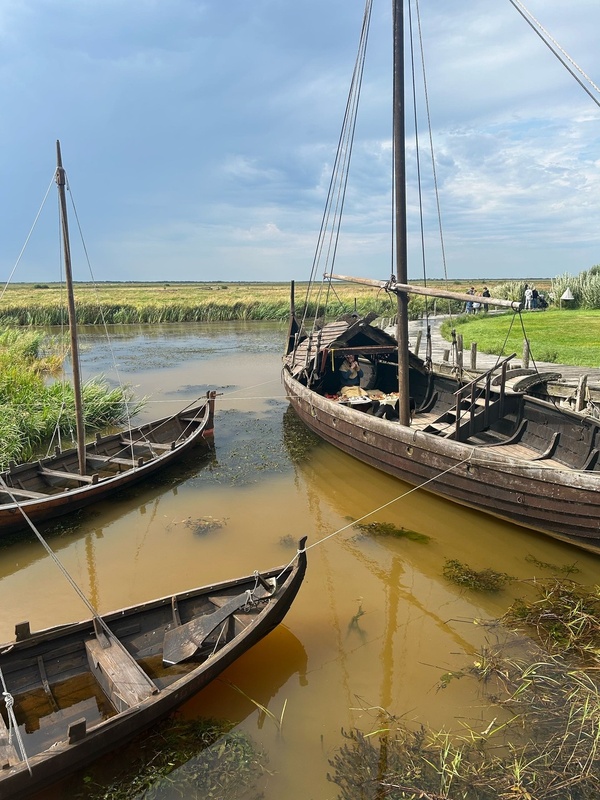
The image shows the reconstructed Viking ships moored at the water's edge in Bork Viking Harbour (Vikingehavn), an open-air museum located by Ringkøbing Fjord in West Jutland, Denmark.
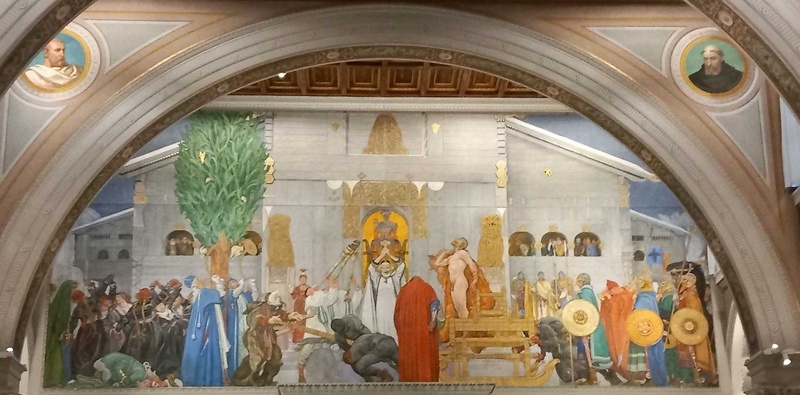
Midvinterblot (Swedish for "Midwinter sacrifice") is a painting by the Swedish painter Carl Larsson, created in 1915 for the hall of the central staircase in Nationalmuseum in Stockholm.
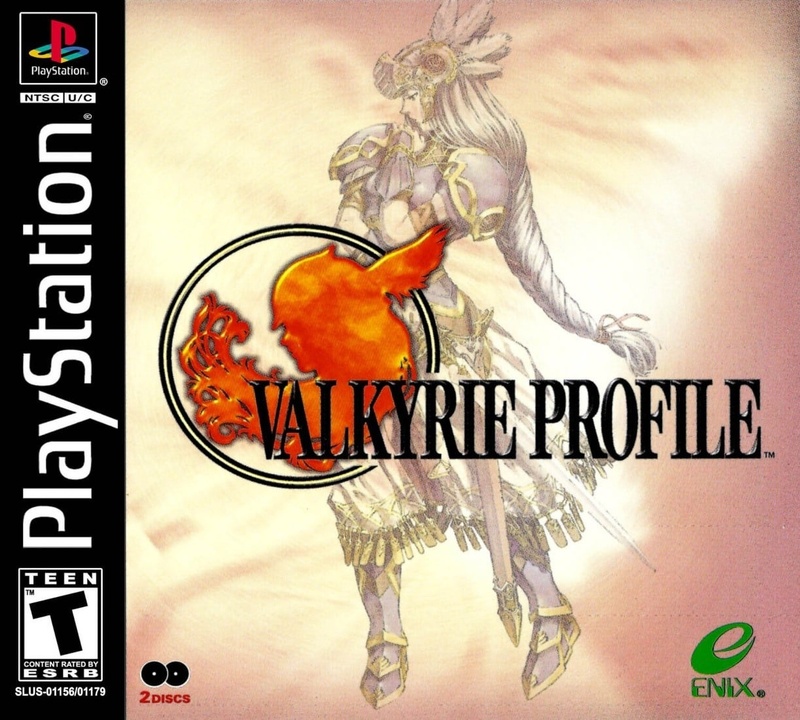
Valkyrie Profile for PlayStation 1. Contributor supplied context: JRPG video game following the journey of the valkyrie Lenneth, who has a mission to collect souls for Odin in preparation for Ragnarok. The game published by Enix for the PlayStation 1, released in 1999.
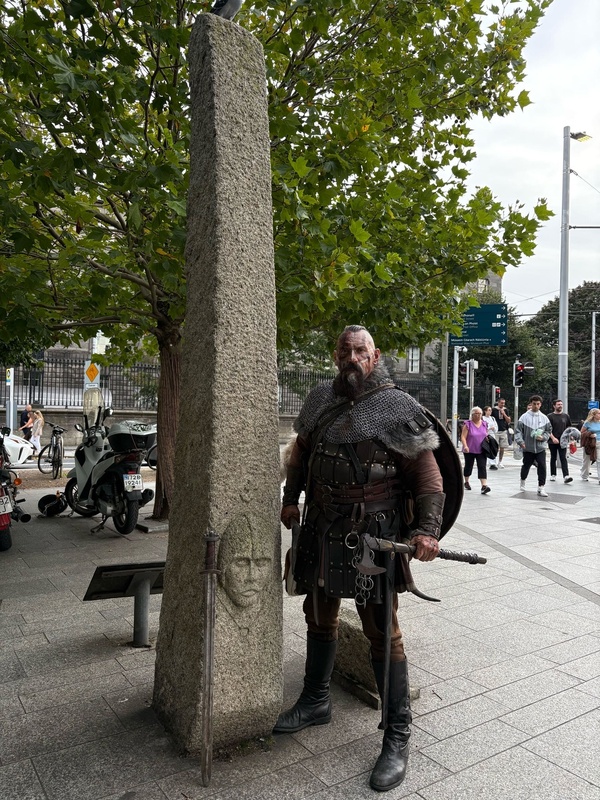
The Dubh Linn Viking from Viking Legacy Trails standing beside the Long Stone replica, an 11 foot tall sculptural pillar made of granite and situated in the proximity of the Crampton Memorial. The pillar was designed by Cliodhna Cussen and placed in its present location in 1986, ideologically replacing the original Viking standing stone of around 849 CE. It features the effigy of Ivar the Boneless.
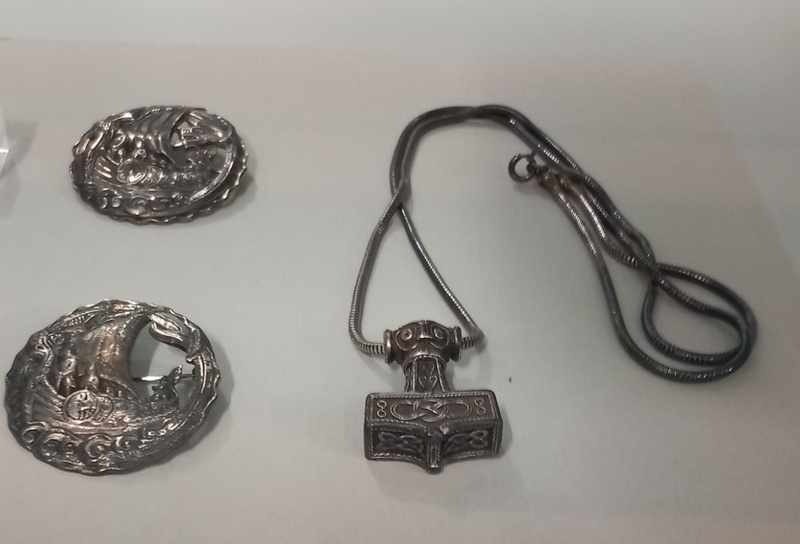
Contributor provided: A 2nd world war SS issued copy of the Thor's hammer found in Ödeshög, Sweden and some vikingship badges. These are on display in the Wewelsburg 1933 – 1945 Memorial Museum, as part of the “Ideology and Terror of the SS” expo.
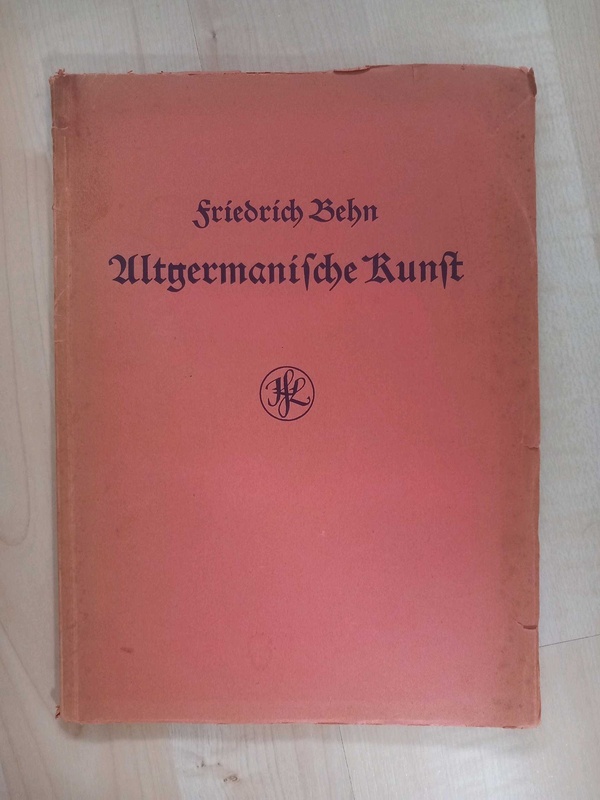
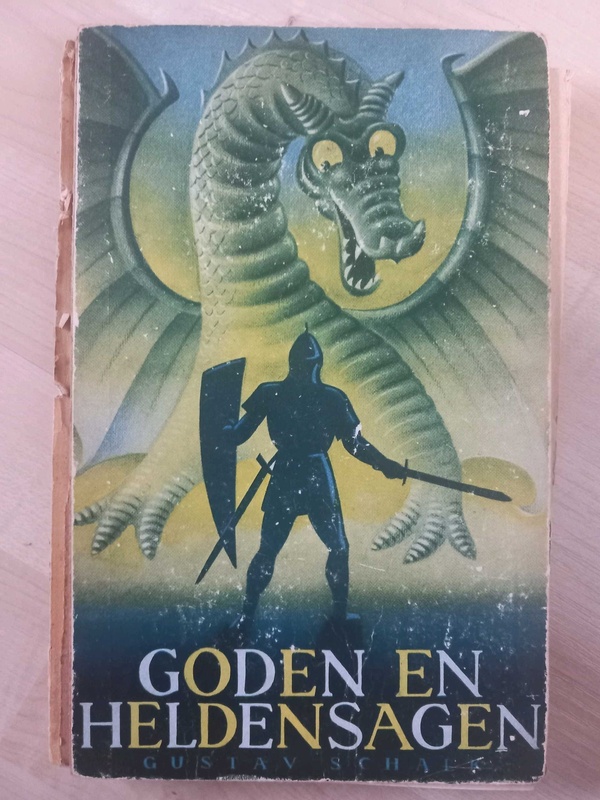
"Altgermanische Kunst" (Old Germanic Art) by Friedrich Behn is a nationalistic account of Germanic sources of art, written by a prehistorian who later joined various National Socialist organisations.
Description from contributor: Altgermanische Kunst by Friedrich Behn. A book with art from different periods including the viking age. The book has a chapter on good reads as it is put in the book on NS-ideology and the likes.
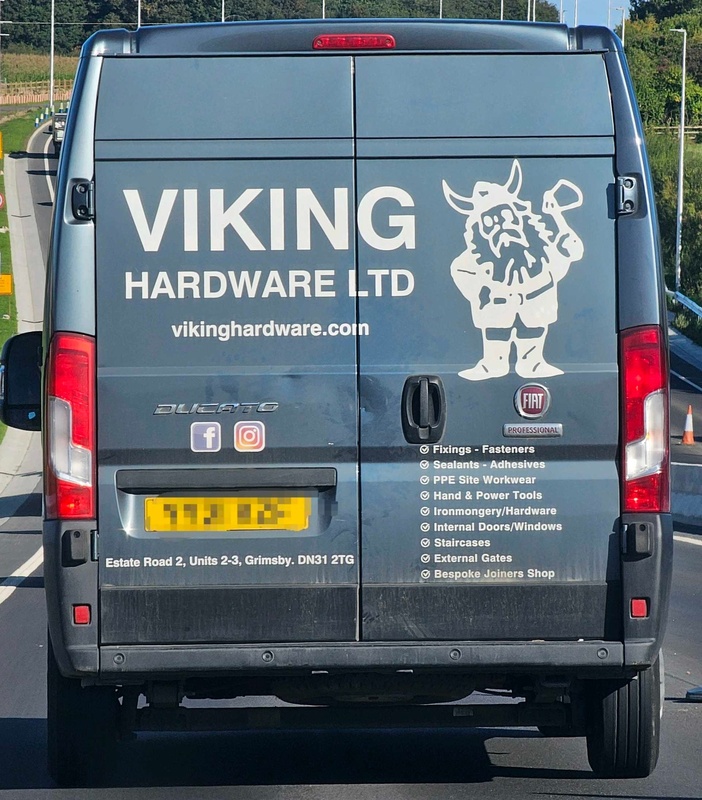
Viking Hardware company van. The logo is stylised Viking with beard, horned helmet and axe. The company offers architectural ironmongery and industrial and building supplies.
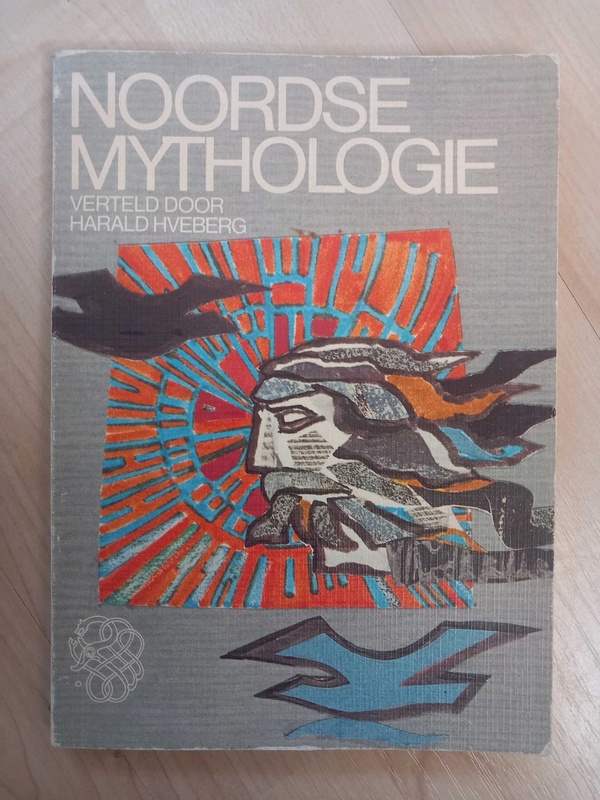
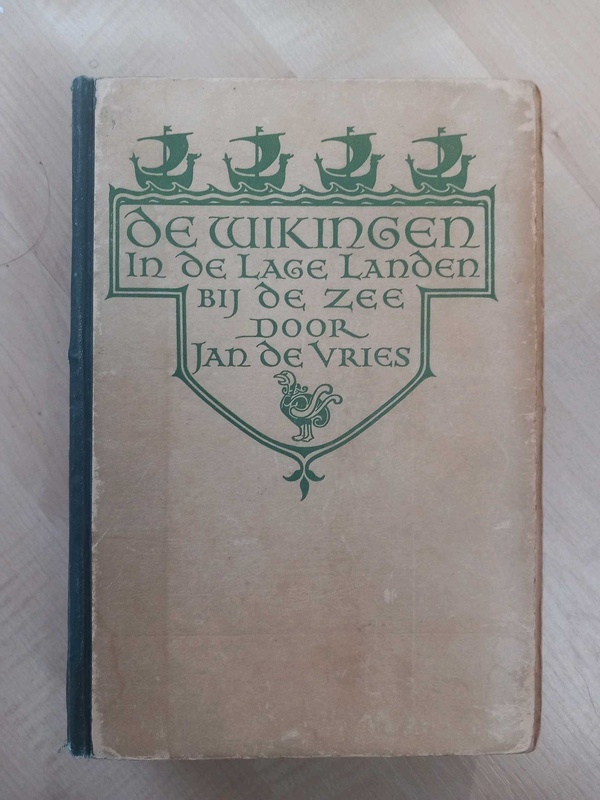
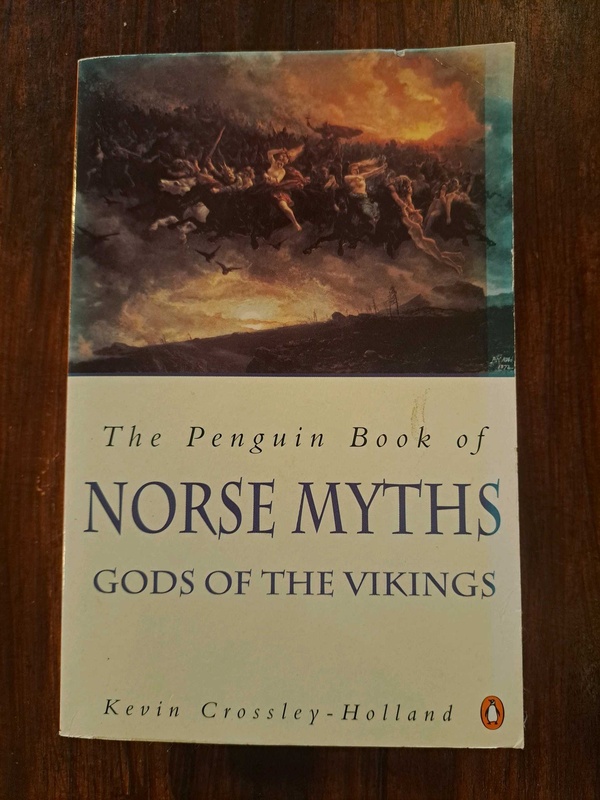
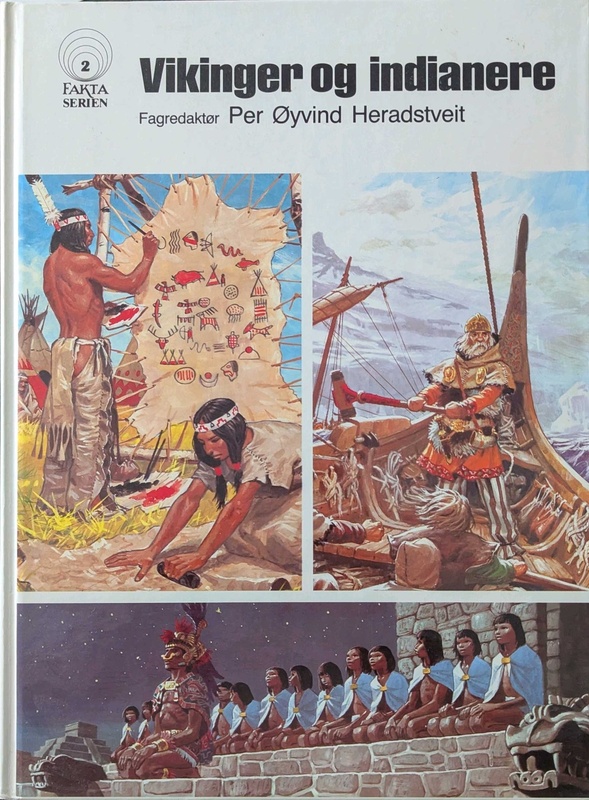
Dutch edition of the book Noordse Mythologie (originally published in English as Of Gods and Giants: Norse Mythology) Book originally published in Norwegian.
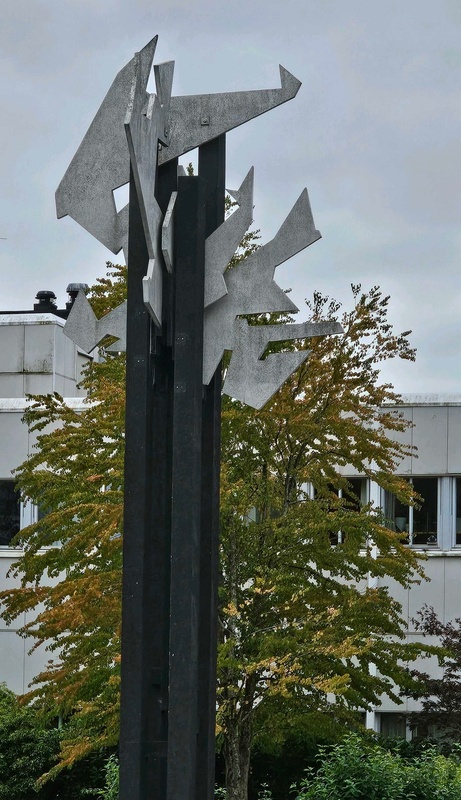
The sculpture 'Frigjøring' (1972), liberation in English, by Agnes Houg had the working title 'Hugin and Munin'. The sculpture has strong undertones of Odin's two ravens in flight, meant to symbolise the constant search for knowledge which unites the Norse god to the students of the University of Stavanger, where the sculpture is located.
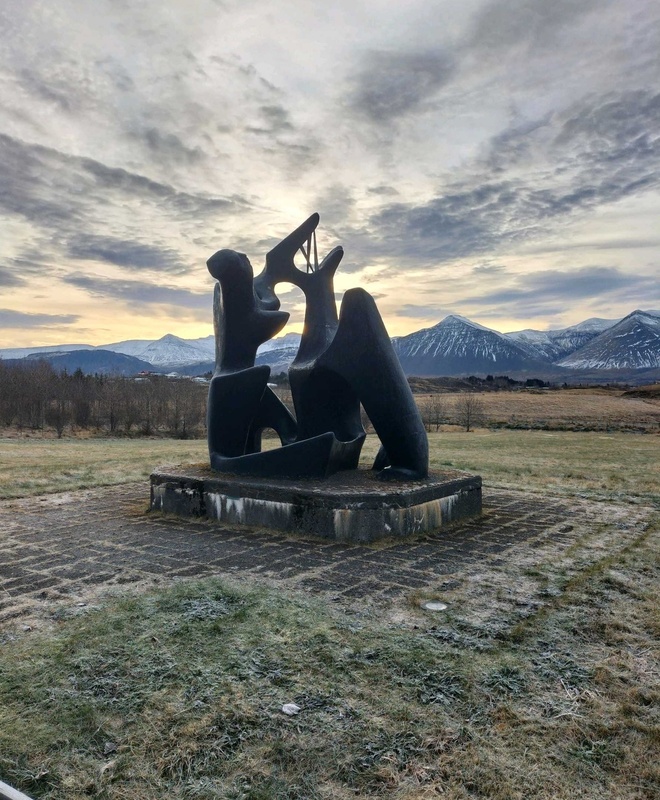
Ásmundur Sveinsson's "Sonatorrek" (a tribute to Egill Skallagrímsson's poem about the loss of his sons) depicting the moment when Egill is given a harp and encouraged to turn his grief into a poem.
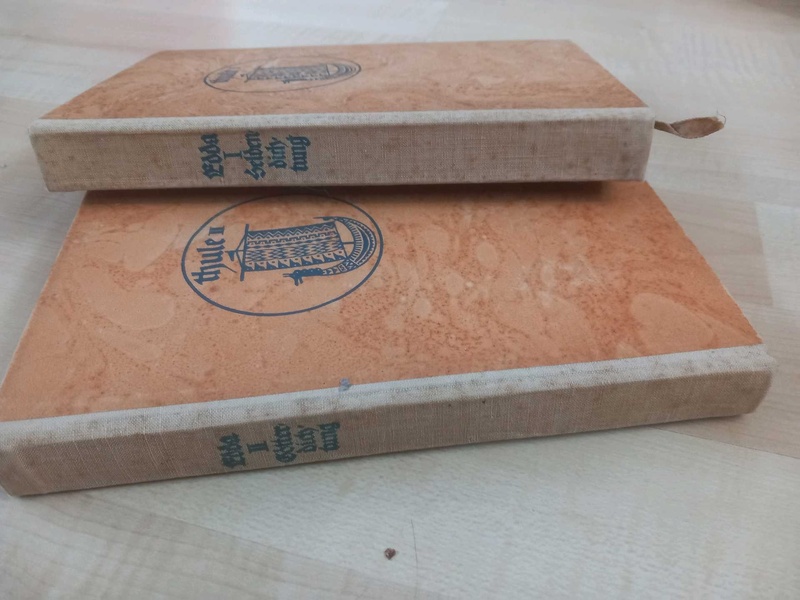
1912 German edition of the Poetic Edda in two volumes: Edda I, Heldendichtung & Edda II, Götterdichtung. This edition was curated by Felix Genzmer,a German scholar specialising in law and philology. Genzmer joined the NSDAP in 1937 and actively supported it.
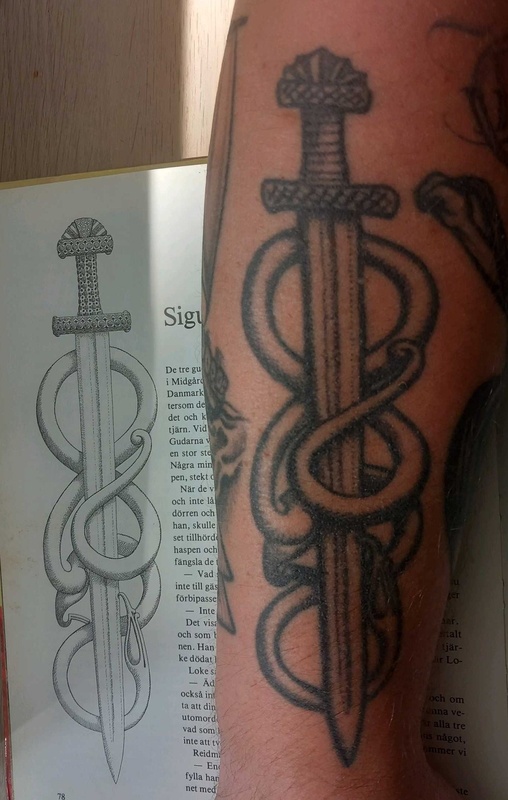
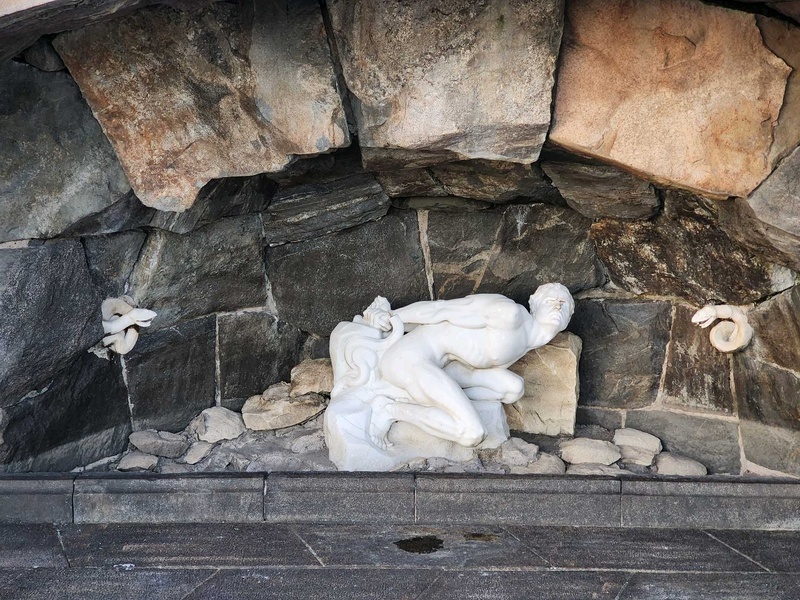
Loki's Punishment: Depicts Loki being bound to a rock with venomous snakes on either side of him. Located in a grotto near Stockholm City Hall in Sweden.
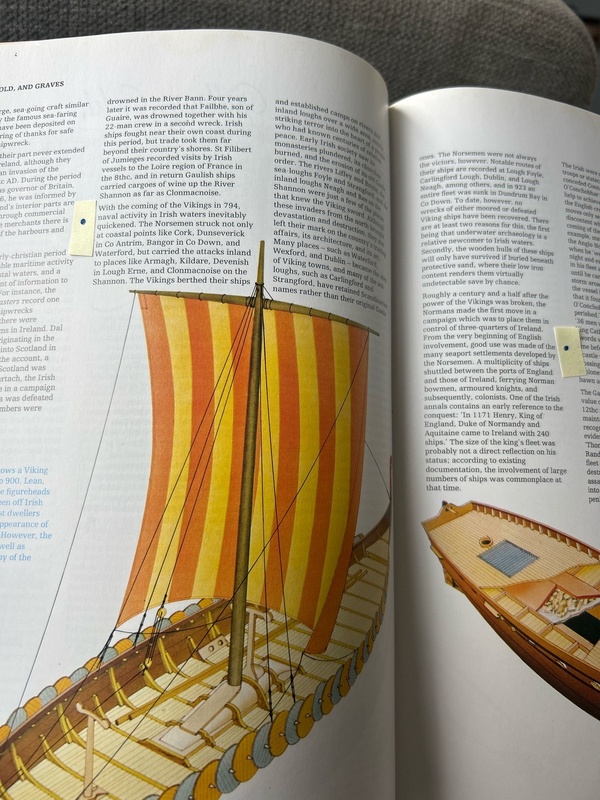
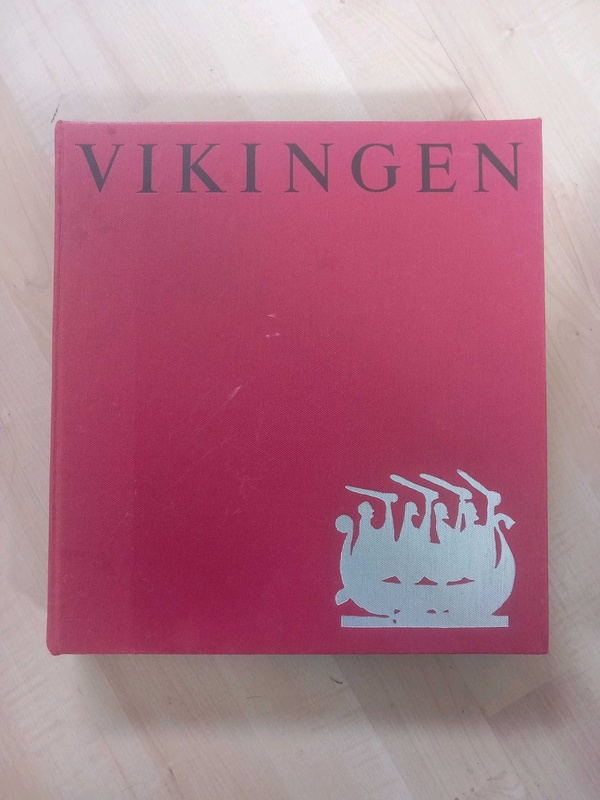
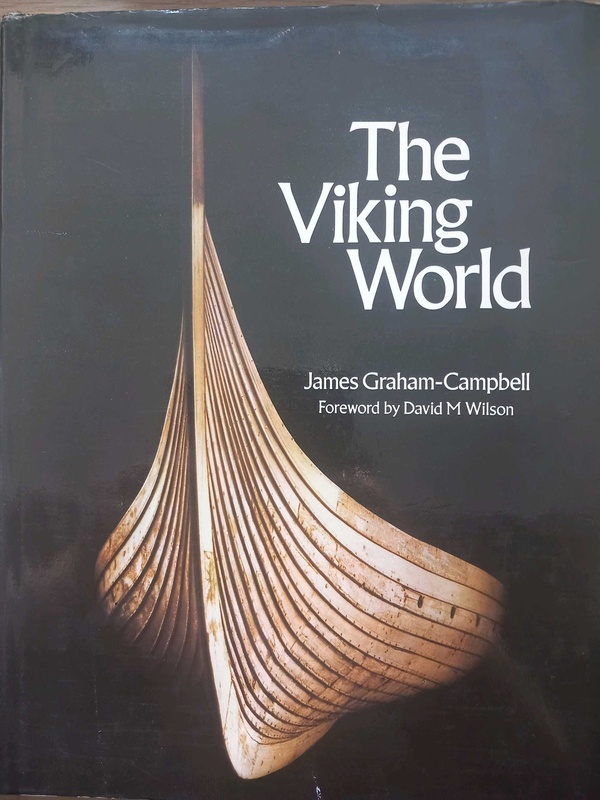
"The Viking World" by James Graham-Campbell, 1980.
Title
The Viking World
Author
Graham-Campbell, James
Publisher
Ticknor and Fields
Publication year
1980
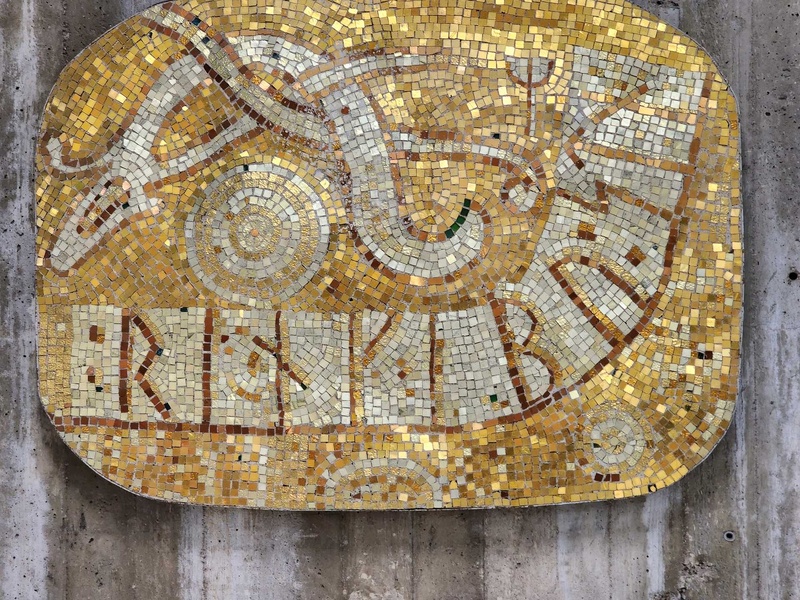
Nisse Zetterberg's artistic design is based on the archaeological finds from the Viking Age that have been discovered in the area. These small finds have been enlarged into golden mosaics set on the rust-red rock walls. At Rinkeby metro station in Stockholm, passengers descend into a rust-red cave lined with gleaming gold mosaics depicting Viking Age artefacts excavated from the surrounding area. Nisse Zetterberg designed and executed these mosaics together with two colleagues, and they were inaugurated in 1975.
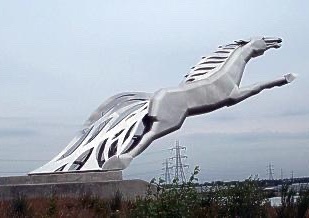
Statue of Sleipnir. Location: Wednesbury, West Midlands, England (overlooking the Great Western Street Metro stop).Artist: Sculpted by Steven Field.Dimensions: Approximately 18 to 21 feet high and 45 feet long.Significance: A tribute to the area's Anglo-Saxon and pagan history, reflecting the town's name (Wednesbury meaning Woden's fort or hill).
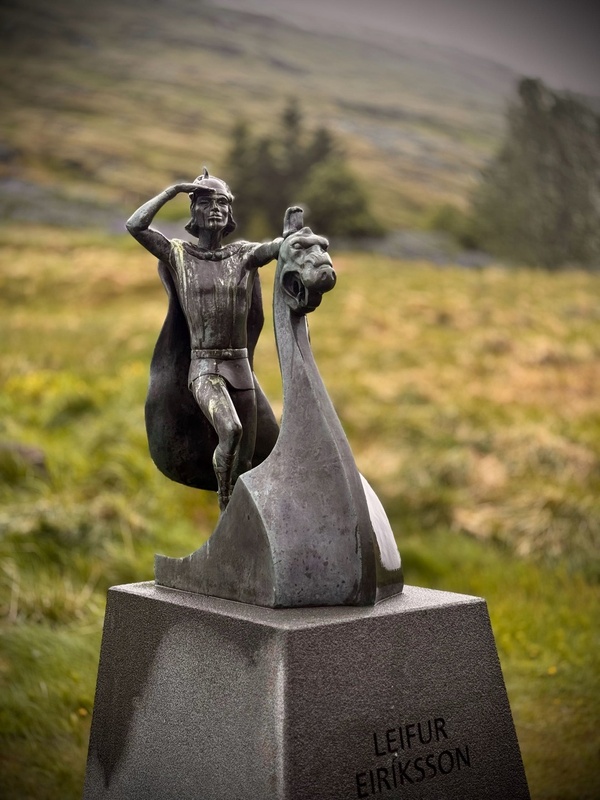
This is a bronze statue of the Norse explorer Leifur Eiríksson, created by Icelandic sculptor Nína Sæmundsson. Sculpted in 1930. Placed near Eiríksstaðir in Haukadalur, Dalabyggð, Iceland. This is a small-scale monument. The bronze sculpture portion itself is relatively compact, standing roughly 1 meter (approx. 3.3 feet) tall. It sits atop a tapered, square granite pedestal that adds roughly another meter of height, making the total installation around 2 meters (approx. 6.5 feet) high from the ground level to the top of the figure's helmet.
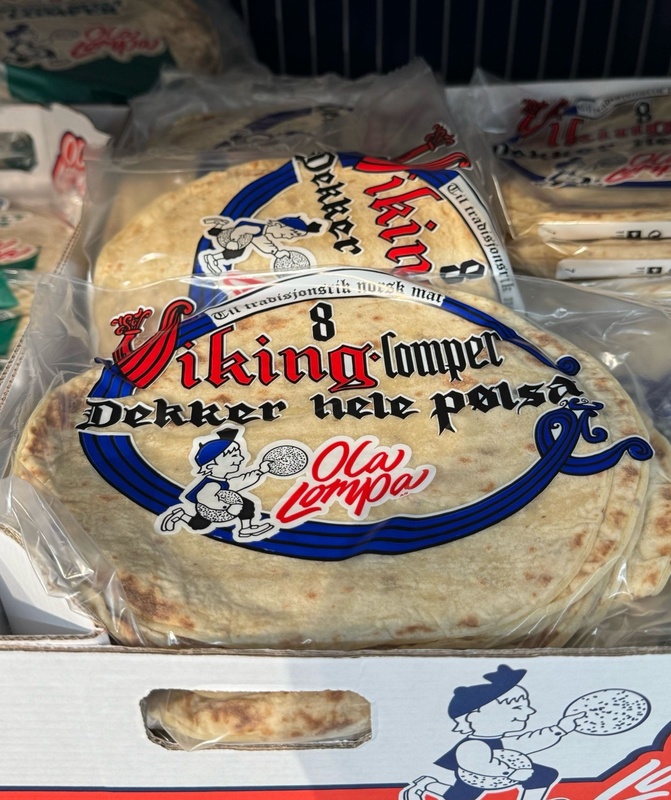
Lomper by the brand Ola Lompa, from their Viking line. Lomper are a Norwegian potato flatbread which nowadays is typically used for hot dogs, but which traditionally would go with both sweet and savoury fillings. The logo features a Viking ship as the "V" in "Viking" and uses a gothic font. The same font is used for both slogans. The first "Til tradisjonsrik norsk mat" means "For traditional Norwegian food", the second "Dekker hele pølsa" means "It covers the full sausage". This last one references the modern tradition of eating hot dogs in lomper instead of hot dog buns.
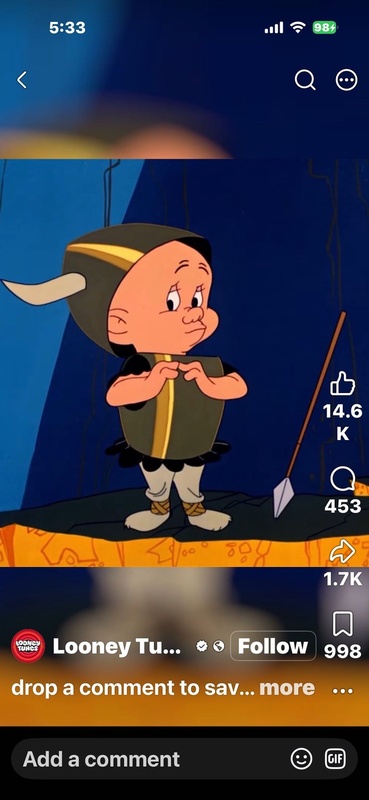
Social media screenshot of the Loony Toons character Elmer Fudd dressed as a Viking hunting Bugs Bunny or “wabbits.” Notably, he is wearing a horned helmet.
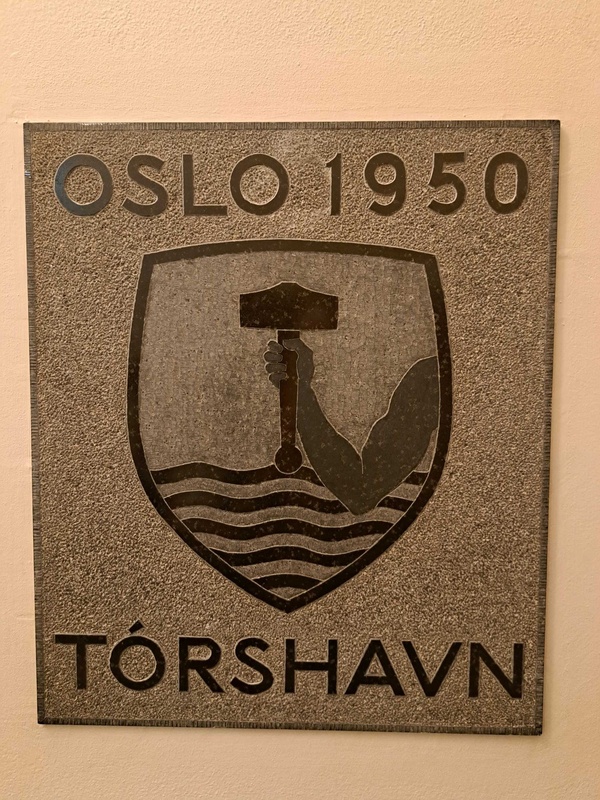
Plaque celebrating the opening of Oslo City Hall in 1950, and depicting the coat of arms of Tórshavn, featuring a Thor's hammer (and relating to its name meaning 'Thor's harbour').
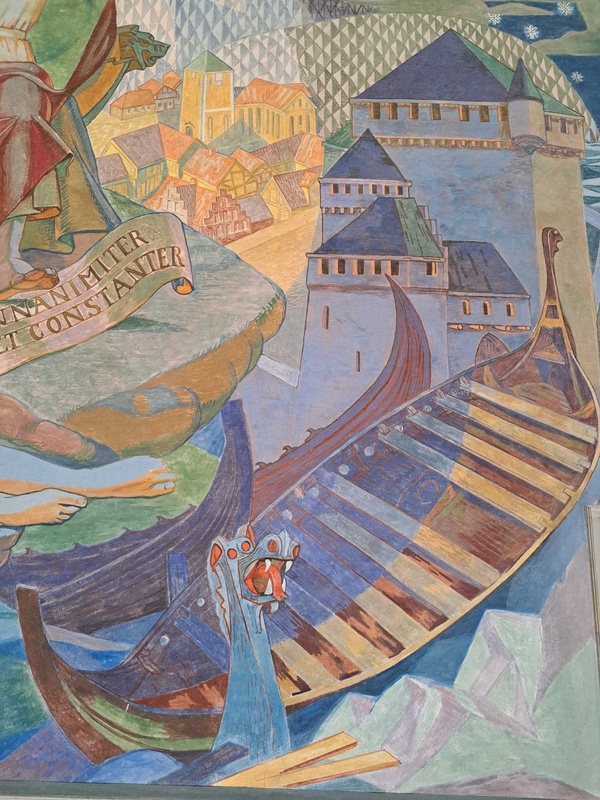
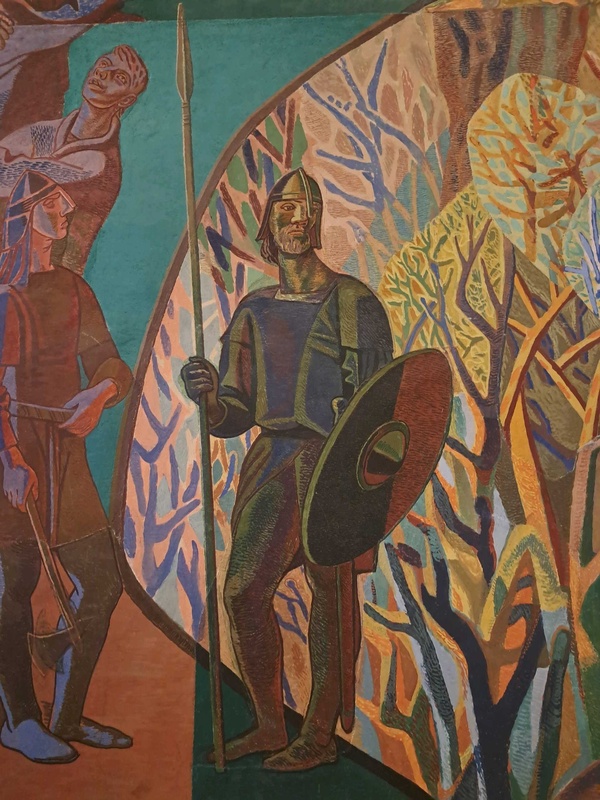
One of a series of wooden reliefs on the outside of Oslo Rådhuset (City Hall) - the Yggdrasilfrisen - produced by Norwegian artist Dagfin Werenskiold in 1950.
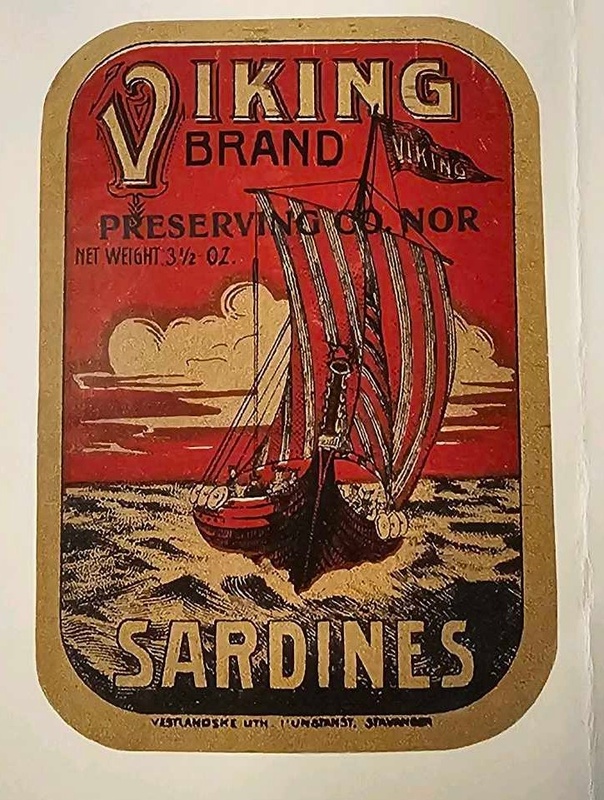
Viking Brand Sardine label from Stavanger, Norway.The label art features a traditional Viking ship sailing on the sea. Brand is no longer being produced
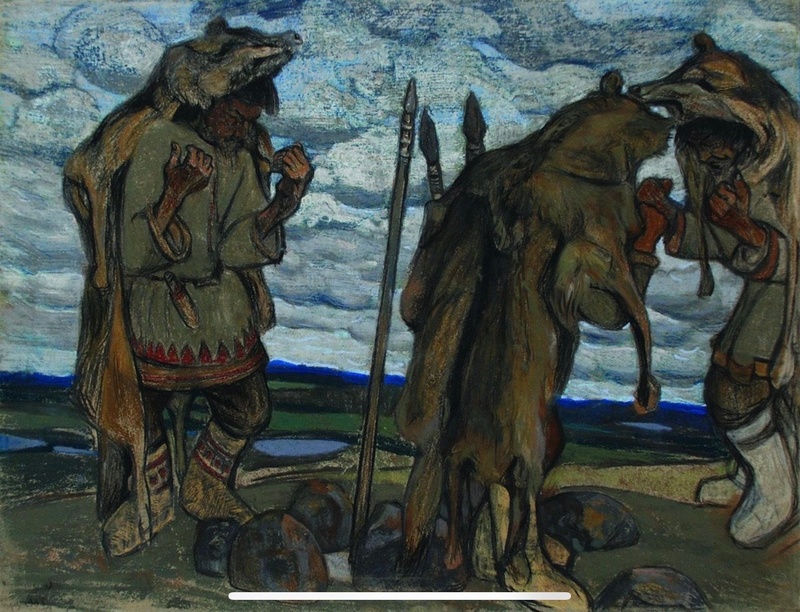
This Art Nouveau painting by Nicholas Roerich by the title "Sorcerers" (1905) depicts three male figures in animal pelts, with spears and shields on site. It has been speculated that it may be a portrayal of a specific type of berserkers known as ulfheðnar.
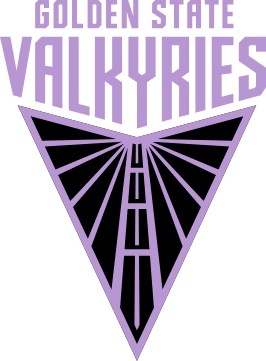
Logo of the WNBA team Golden State Valkyries, based in the San Francisco Bay Area. The logo can be read two ways: it depicts the Bay Bridge through the use of a pillar and cables, though the pillar doubles as a sword and the cables as wings for the Valkyries the team is named after.
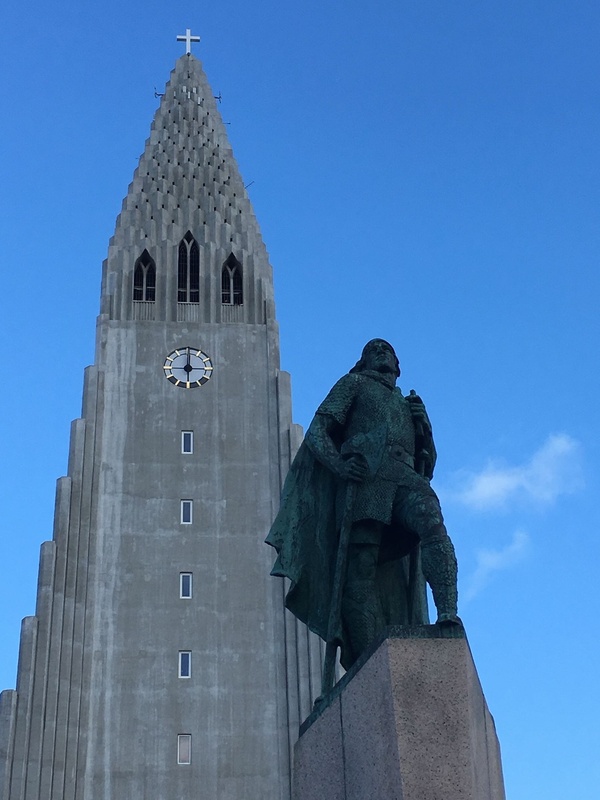
Contributor supplied: The statue of Leif Erikson, Norse explorer son of the (in)famous Erik the Red, was a gift to Iceland from the United States of America in occasion of the 1000th anniversary of the Icelandic Althing. This statue was made by Alexander Stirling Calder and unveiled in 1932 in Reykjavík. A second casting of the statue was made in 1939 and stands in Newport News, Virginia.
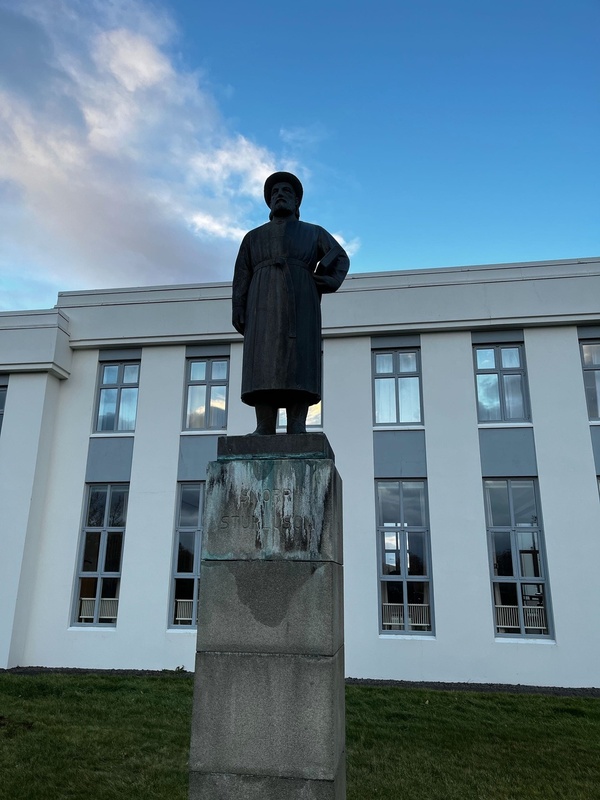
Statue of Snorri Sturluson by Norwegian sculptor Gustav Vigeland in Reykholt. The statue was donated to Iceland by the Norwegian government in 1947. A year later, a copy of the statue by the same sculptor was erected in Bergen.
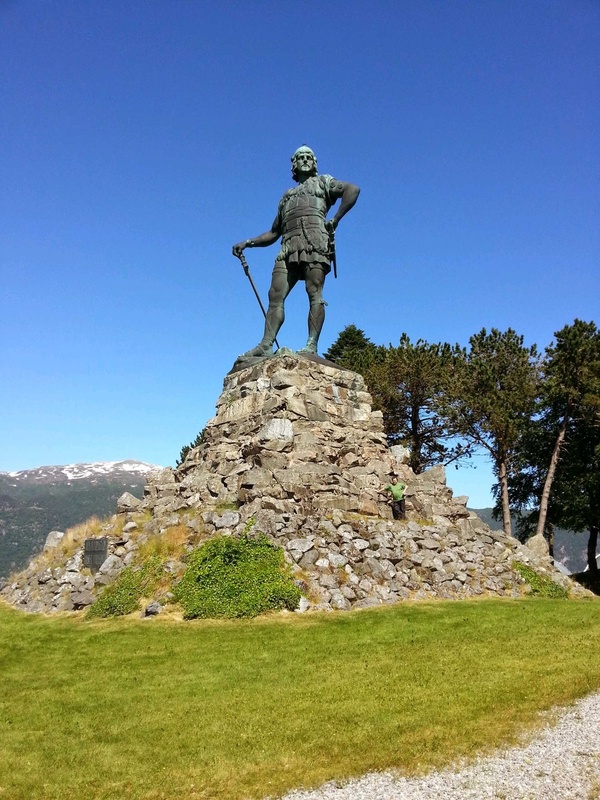
Statue of Fridtjov the bold. Located in Vangsnes, a village in Vik Municipality in Vestland county, Norway, stands the statue of Fridtjof the Bold. Fridtjof, who was the king of Ringerike and Sogn according to Friðþjófs saga hins frœkna (Fridtjof's Saga). The statue was commissioned by Kaiser Wilhelm II of Germany. It is 10.5 metres (34 ft) high and is situated on a 12-metre (39 ft) high platform. The statue was sculpted by German sculptor Max Unger (1854-1918). It was transported to Vangsnes in 15 sections and erected during February 1913.
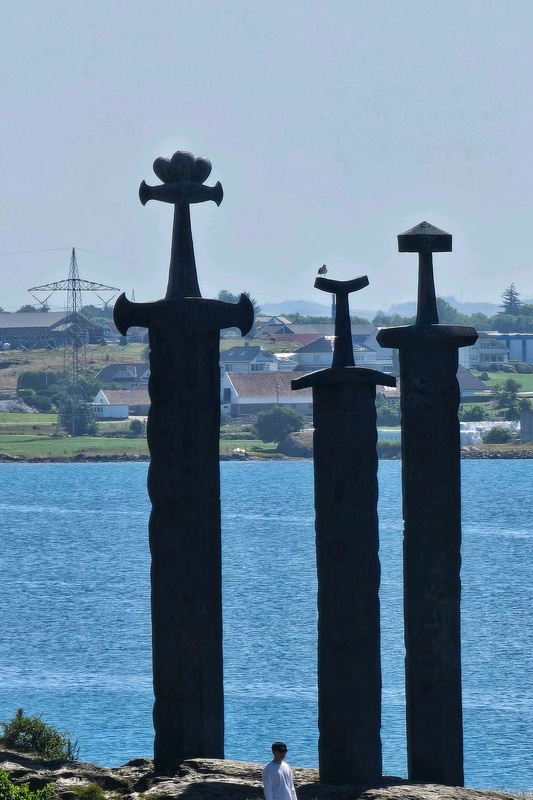
Bronze monument in Stavanger depicting three 10m tall Viking swords commemorating the battle of Hafrsfjord (872). The monument was made by Norwegian artist Fritz Røed in occasion of the 1000 year anniversary of the battle of Hafrsfjord, which is remembered as the battle that lead to the unification of Norway under King Harald Fairhair.
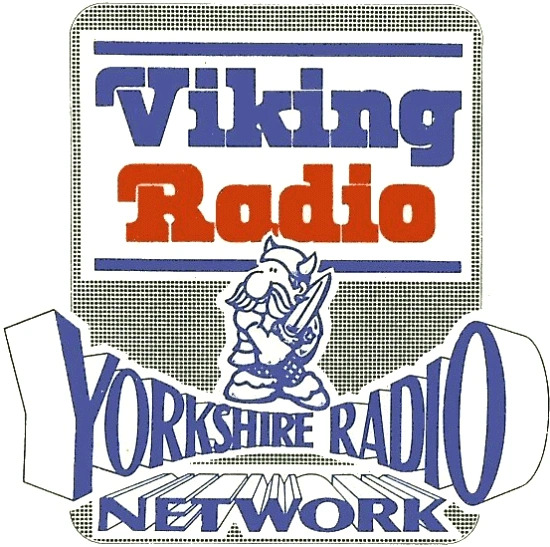
The Yorkshire-based Viking Radio (and later Viking FM ) broadcast under these names from 1984 to 2024, when it was rebranded as Hits Radio East Yorkshire & North Lincolnshire. Its early logos featured a cute mascot: 'Eric the Viking'.
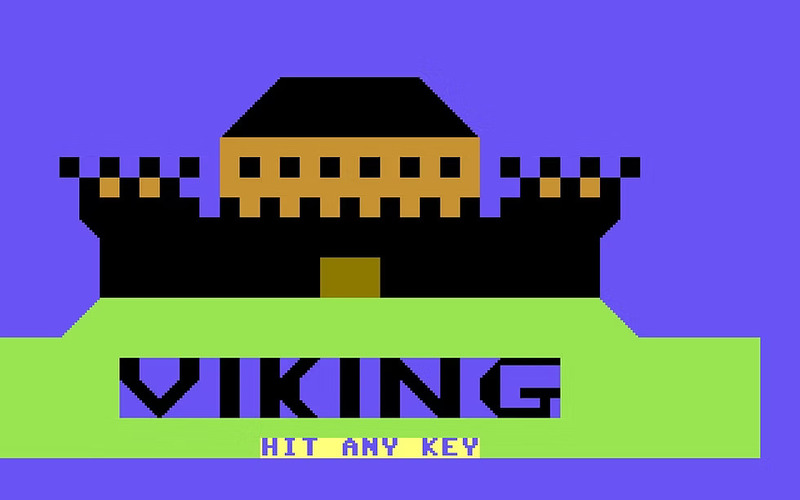
Title screen of "Viking" (1982) for the Commodore 64, developed by Prickly Pear Software, based in Tucson, Arizona that released its last game in 1986.
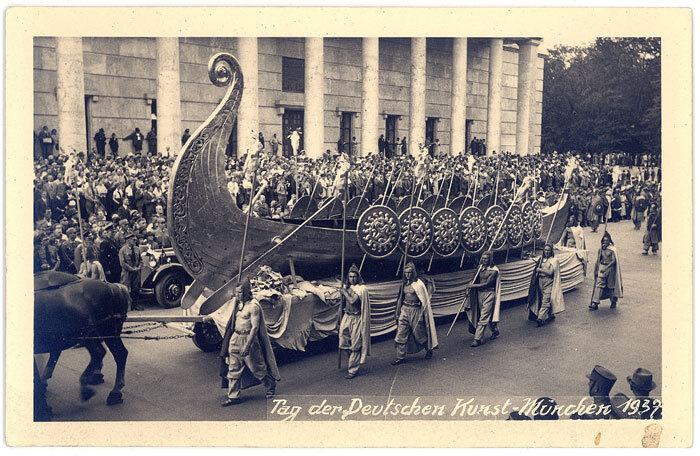
A historical photograph of a parade outside the Haus der Kunst in Munich, Germany, part of the 'Day of German Art' celebration organised by the Nazi regime.