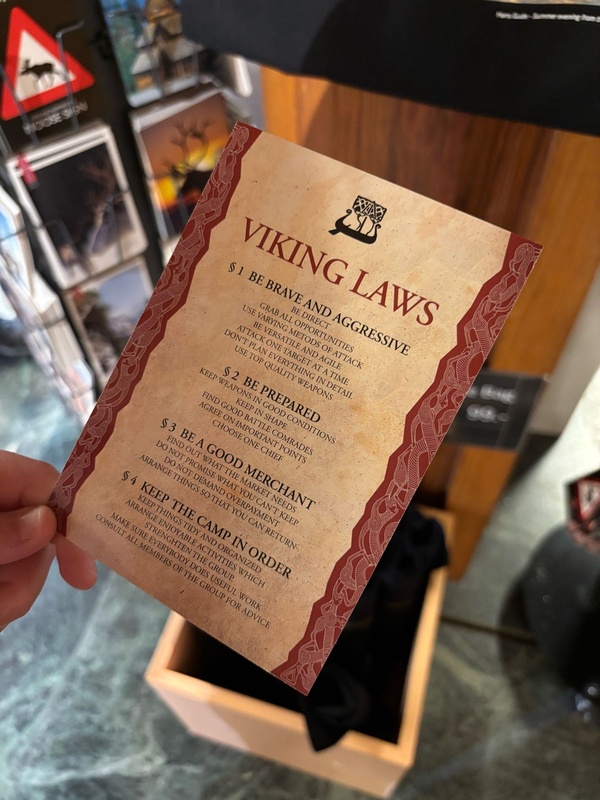
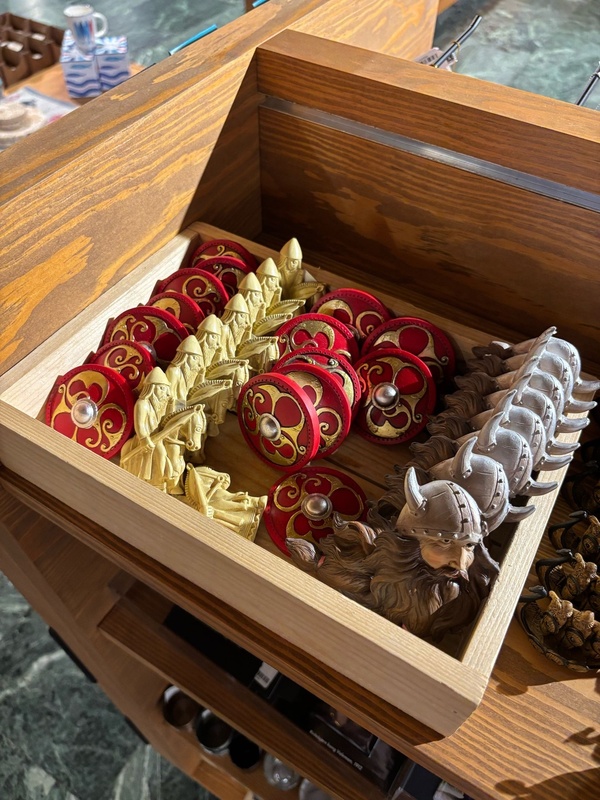
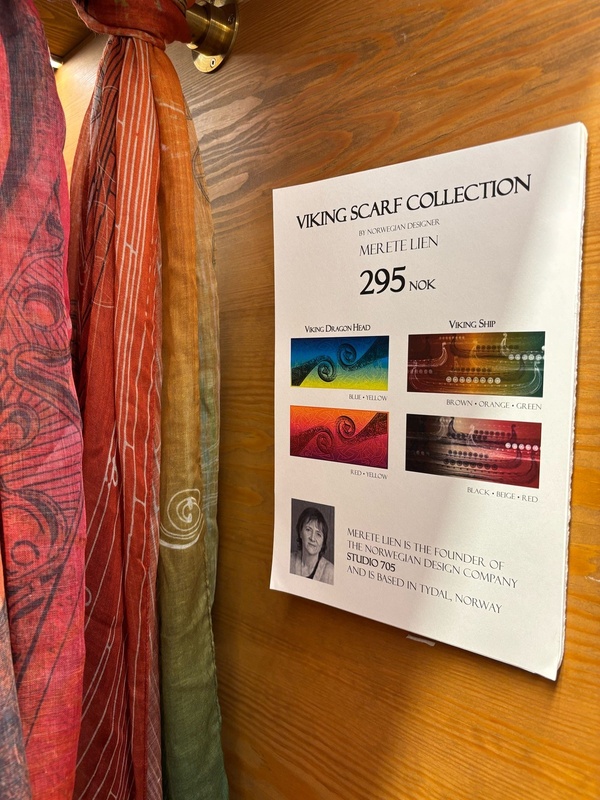
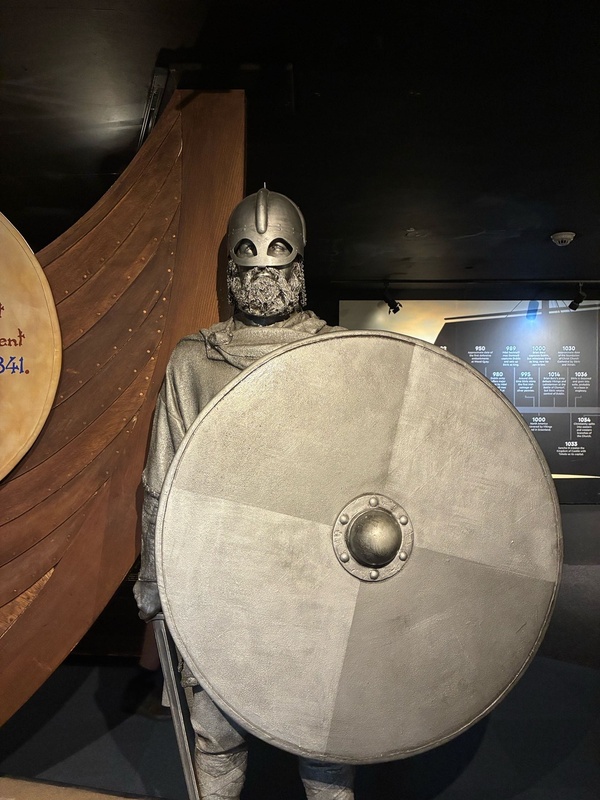
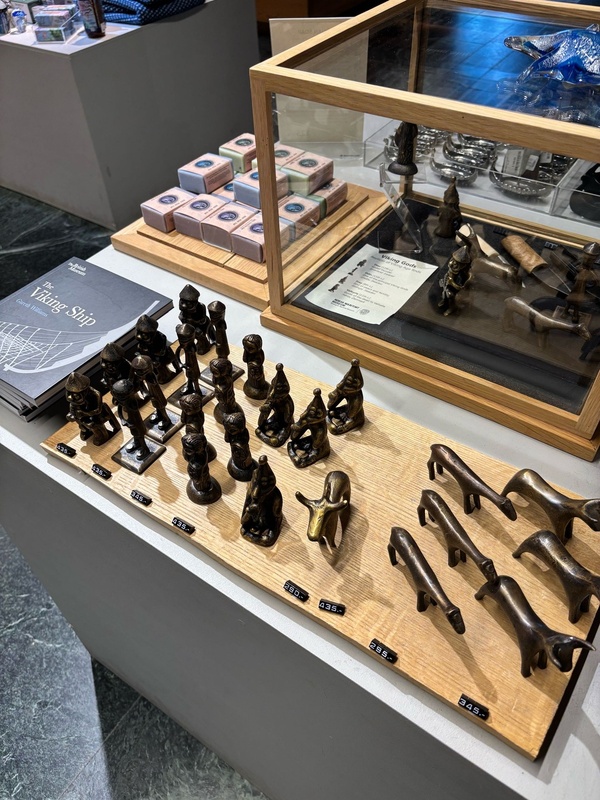
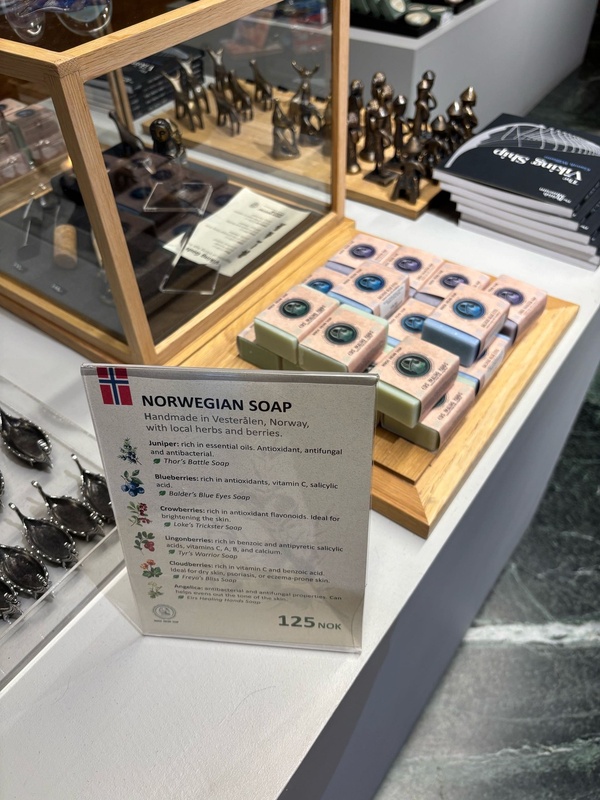
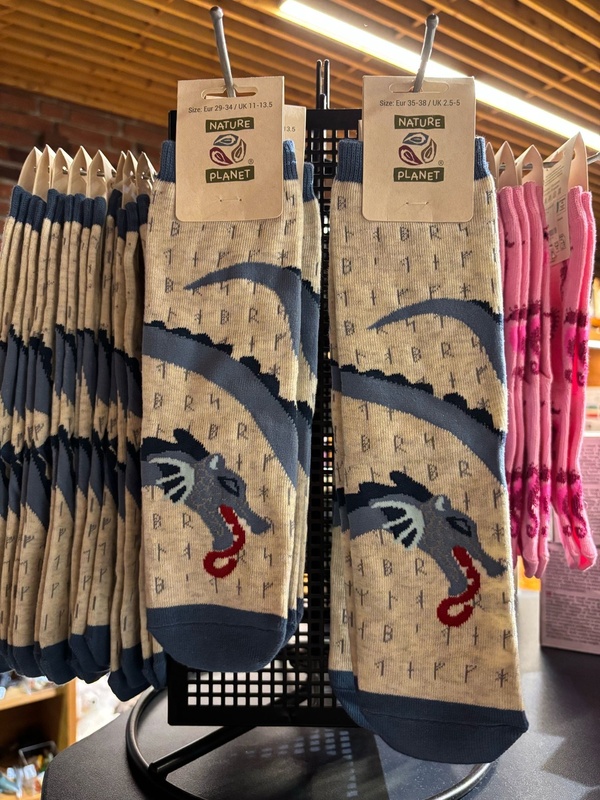
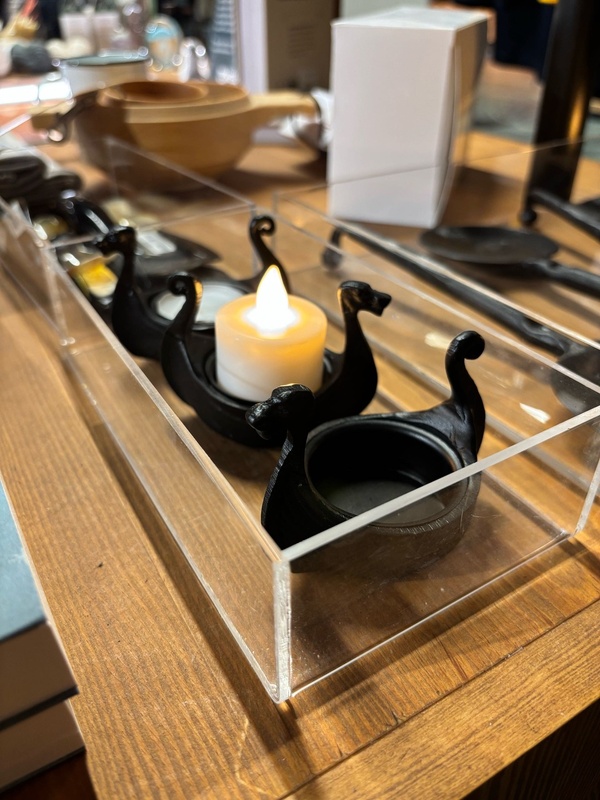
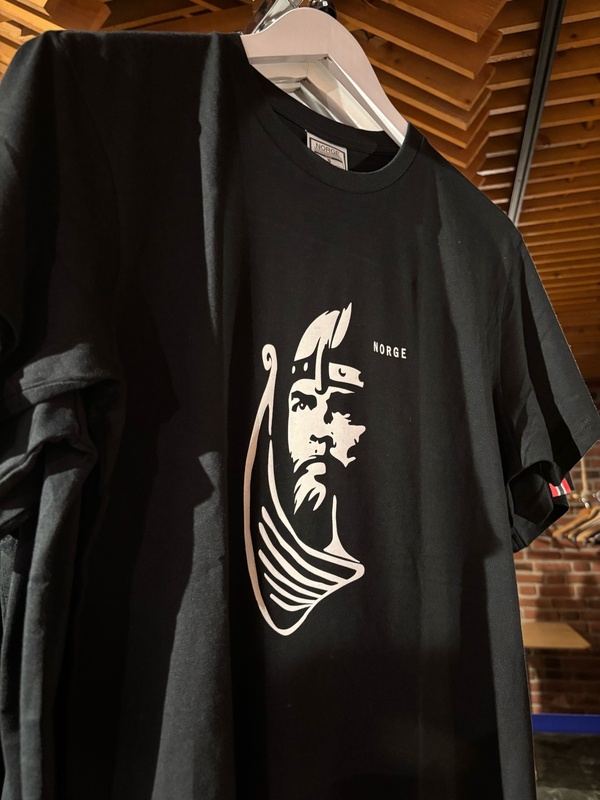
"Viking laws" tourist souvenir. Used to promote an idea of a Viking ethos, but without any historical precedent. The Norse peoples had a very developed legal system, but these are fabricated 'rules for living'.
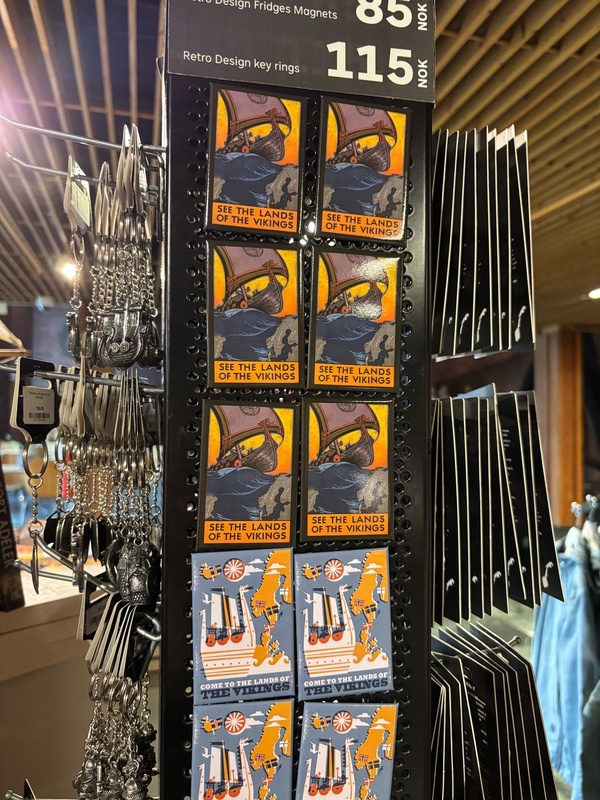
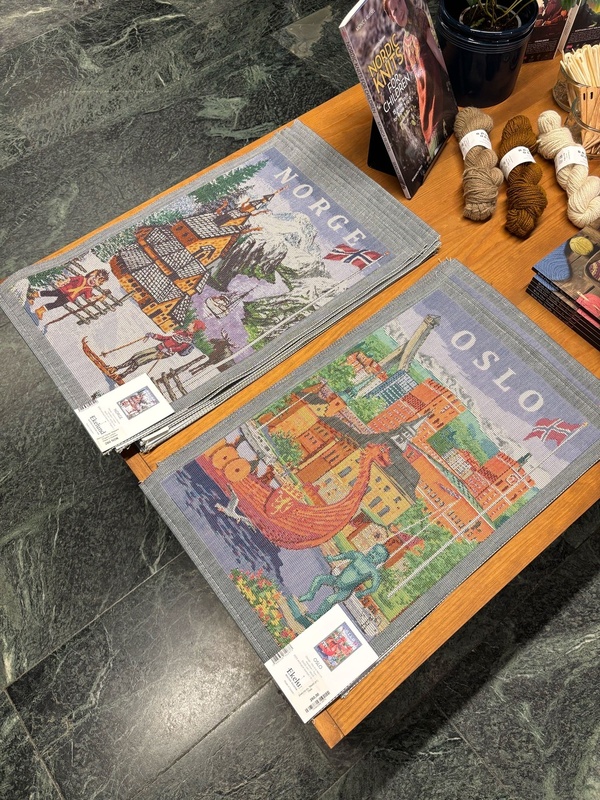
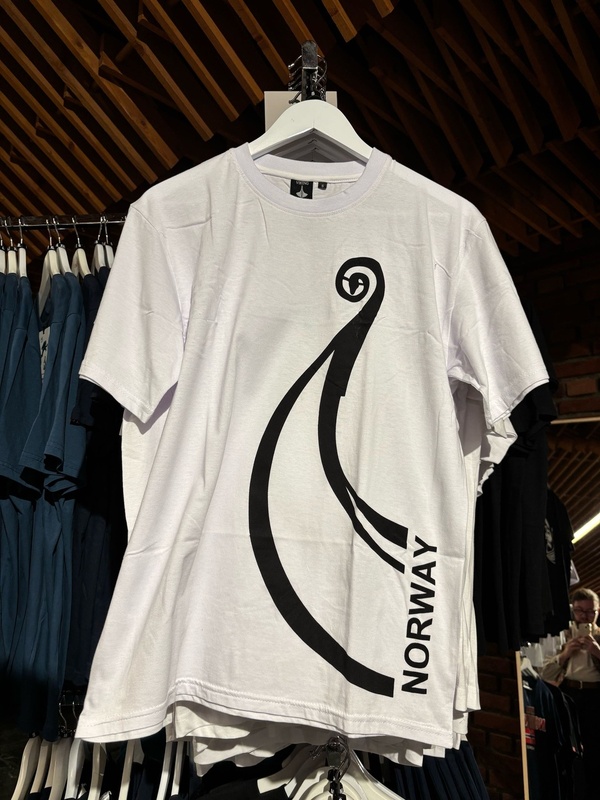
Fridge magnets depicting a historical poster (from 1937) and another from 2024, both drawing on the Viking connection to promote tourism to Scandinavia. Photographed in a tourist shop in Oslo.
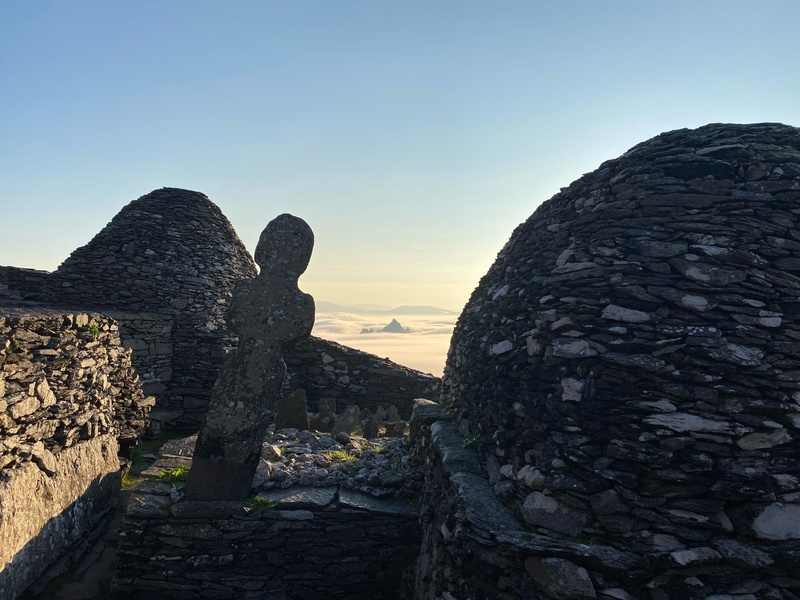
Skellig Michael. Contributor supplied: I’m an assistant archaeologist for Skellig Michael, and the monastery is the first thing I think of when it comes to Vikings
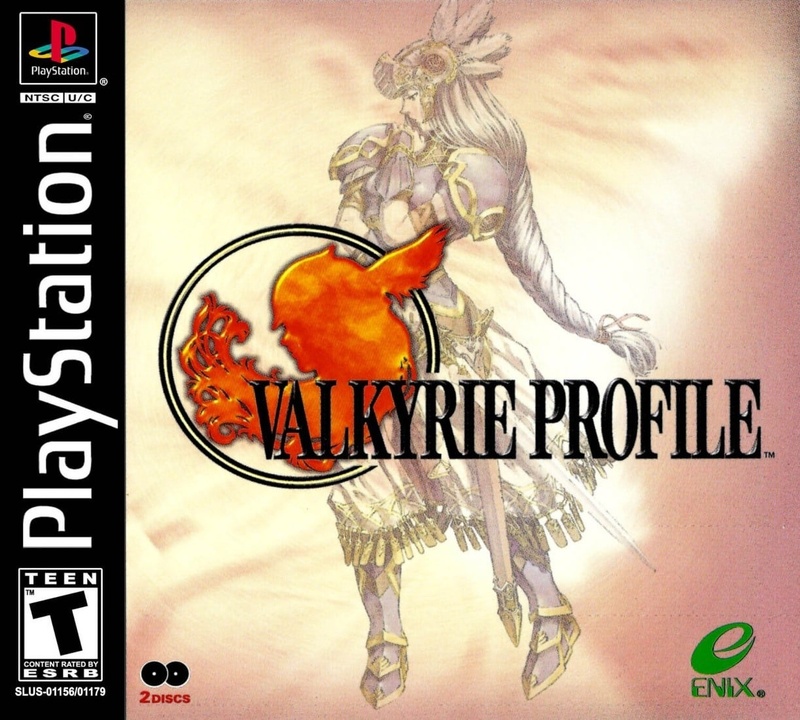
Valkyrie Profile for PlayStation 1. Contributor supplied context: JRPG video game following the journey of the valkyrie Lenneth, who has a mission to collect souls for Odin in preparation for Ragnarok. The game published by Enix for the PlayStation 1, released in 1999.
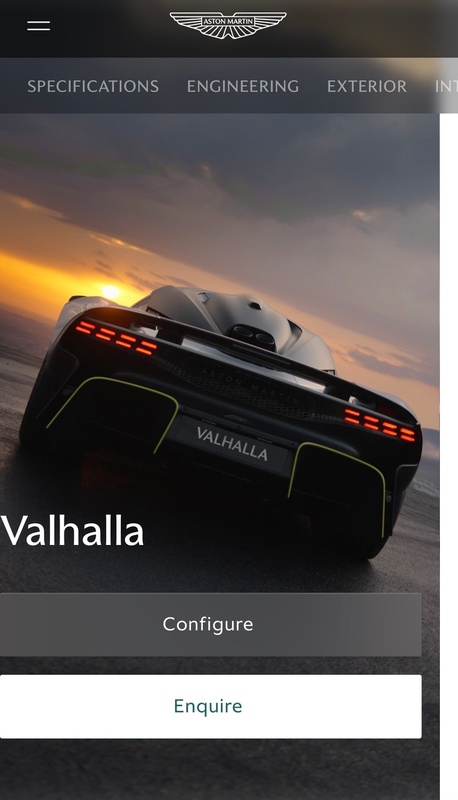
Aston Martin’s new supercar called “Valhalla.” Aston Martin’s first-ever mid-engine PHEV supercar, with true hypercar performance. Inspired by the Aston Martin Valkyrie and infused with Formula 1® technologies. Combining unprecedented aerodynamics with race-derived engineering, striking form and exquisite detailing. Conceived to deliver unparalleled performance and a revolution in driver engagement, Valhalla is the extreme edge of technological advancement. Limited in numbers to 999.
https://www.astonmartin.com/en-us/models/valhalla
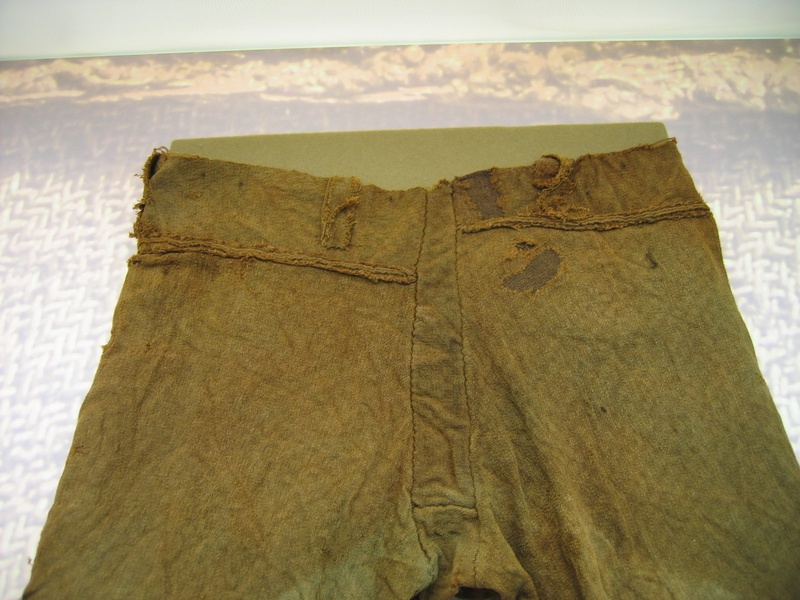
The hem of the Thorsberg trousers, now in the Museum für Archäologie Schloss Gottorf in Schleswig, Germany. These hose-like trousers with socks integrated into the design are dated to the late Roman Iron Age, and are made from a single piece of cloth folded over and stitched at the crotch, as can be seen in this image. Though pre-dating the Viking Age, the design often forms the basis of trousers used in Viking reenactment.